Physical Address
304 North Cardinal St.
Dorchester Center, MA 02124
Physical Address
304 North Cardinal St.
Dorchester Center, MA 02124

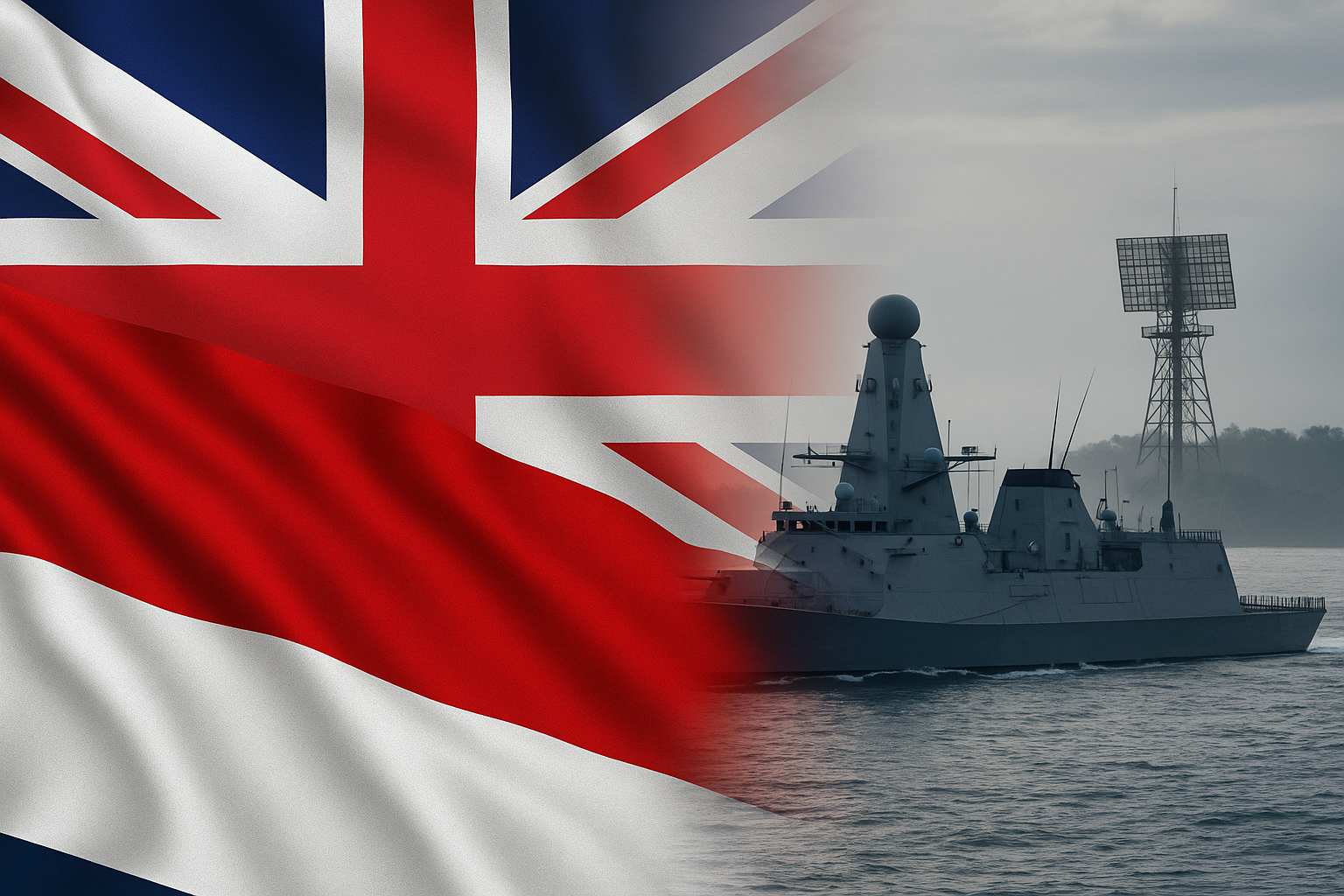
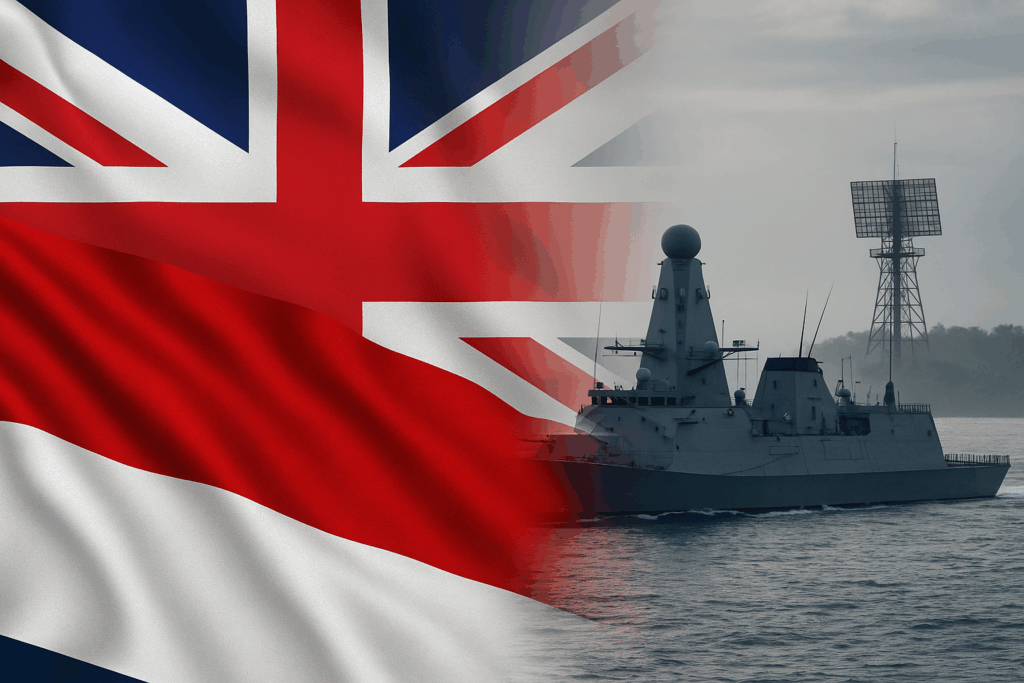
On 22 November 2025, the United Kingdom and Indonesia unveiled a landmark £4 billion maritime capability and ship-modernisation programme, marking one of the most significant bilateral security partnerships between a European power and Southeast Asia in recent years. The initiative—led by UK defence giant Babcock International—aims to modernise Indonesia’s naval, shipbuilding and maritime governance capabilities, while strengthening Britain’s economic and strategic footprint across the Indo-Pacific.
The deal underscores a major shift in the Indo-Pacific’s evolving power landscape: middle-power nations are no longer passive players in regional competition. Instead, they are proactively shaping the maritime security environment, enhancing sovereignty over sea lanes, and forging long-term defence–industrial partnerships.
According to Babcock, the programme includes:
Babcock will act as prime industrial partner, working alongside Indonesian government agencies and domestic industry. The UK government emphasises that the agreement will support over 1,000 jobs in Britain, while creating a long-term pipeline of maritime cooperation with one of Southeast Asia’s most strategically located nations.
Indonesia occupies a central role in the Indo-Pacific maritime system. As an archipelagic state straddling the Strait of Malacca, the Sunda Strait, and the Lombok–Makassar corridor, it sits astride some of the world’s most critical sea lanes.
This partnership directly supports Indonesia’s strategic priorities:
With increasing incursions by foreign vessels, fisheries disputes, and grey-zone pressures, Indonesia is seeking more capable maritime tools to assert control over its vast archipelago.
Jakarta has long aimed to become a regional shipbuilding centre. The Babcock partnership accelerates:
This aligns with Indonesia’s “Minimum Essential Force” modernisation agenda.
Indonesia avoids formal alliances, preferring multi-aligned strategic autonomy. Partnering with the UK—outside the U.S.–China rivalry—allows Jakarta to diversify its defence relationships while avoiding overdependence on any single major power.
The United Kingdom has been steadily expanding its Indo-Pacific presence through its Indo-Pacific Tilt, AUKUS participation, Singapore logistics hub, and regular Carrier Strike Group deployments.
This £4bn deal reinforces three UK strategic goals:
A deep industrial partnership anchors Britain in the Indo-Pacific beyond symbolic deployments. It ensures persistent engagement with Southeast Asian militaries and governments.
The deal shows that the UK is not limiting itself to hard-security alliances like AUKUS. Instead, it is targeting maritime governance, capacity-building and industrial collaboration—a more flexible strategic model.
Defence industry exports are now a key pillar of British foreign policy. Major naval programmes—such as the Type 31 frigate design—are being adapted for global partners. Babcock’s expanding footprint supports economic security at home while boosting UK relevance abroad.
Indonesia’s enhanced fleet—supported by the UK—will increase surveillance and deterrence capacity in waters contested by foreign fishing fleets, coast guards and paramilitary vessels.
This deal is not an anti-China coalition.
Instead, it strengthens maritime resilience in Southeast Asia, indirectly contributing to regional stability and rule-based order—without forcing Indonesia into a bloc.
In the modern Indo-Pacific, states want:
The UK–Indonesia partnership reflects a new strategic economy where industrial capability equals strategic capability.
Middle powers like the Philippines, Malaysia and Vietnam may pursue similar industrial–maritime programmes with Western partners, strengthening distributed deterrence throughout the region.
Despite the deal’s ambition, several challenges remain:
The £4 billion UK–Indonesia maritime partnership represents far more than a defence contract. It is a strategic investment in Indo-Pacific regional order, maritime sovereignty and defence-industrial cooperation. For both nations, it signals a commitment to shaping the future of the Indo-Pacific—one where resilient maritime governance and diversified partnerships play as important a role as traditional alliances.
As competition intensifies across the region’s sea lanes, this partnership may become a defining model for how middle powers and European actors engage in the Indo-Pacific in the decade ahead.