Physical Address
304 North Cardinal St.
Dorchester Center, MA 02124
Physical Address
304 North Cardinal St.
Dorchester Center, MA 02124

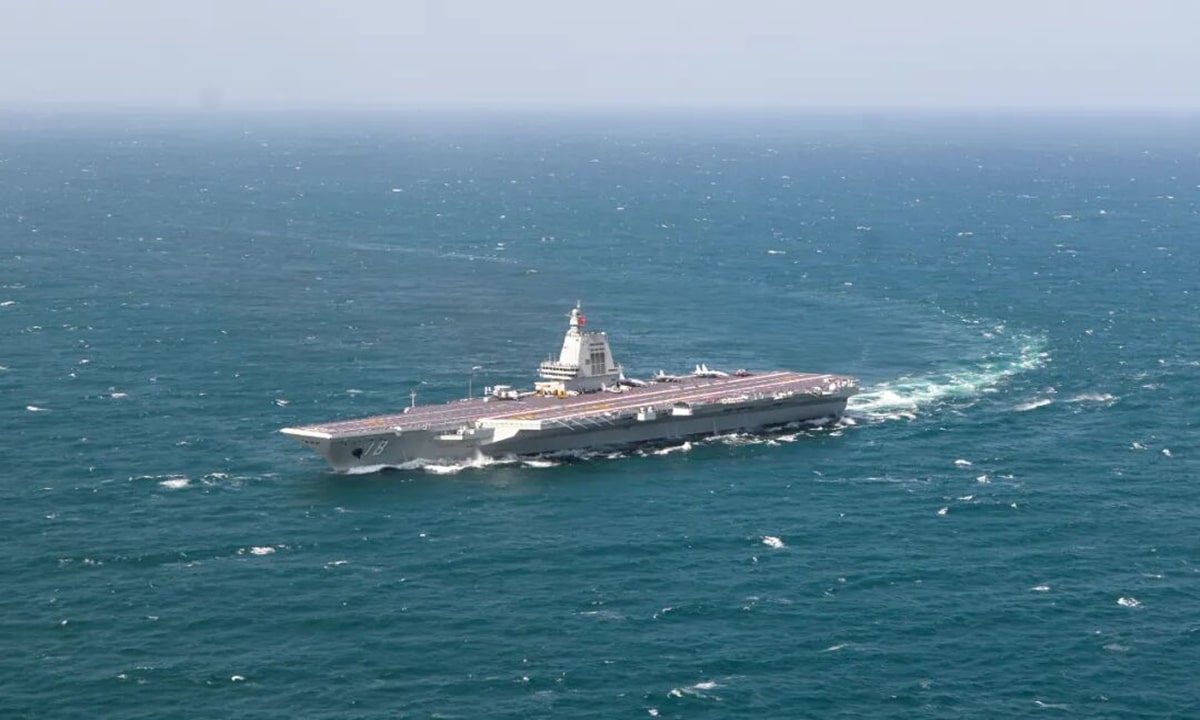
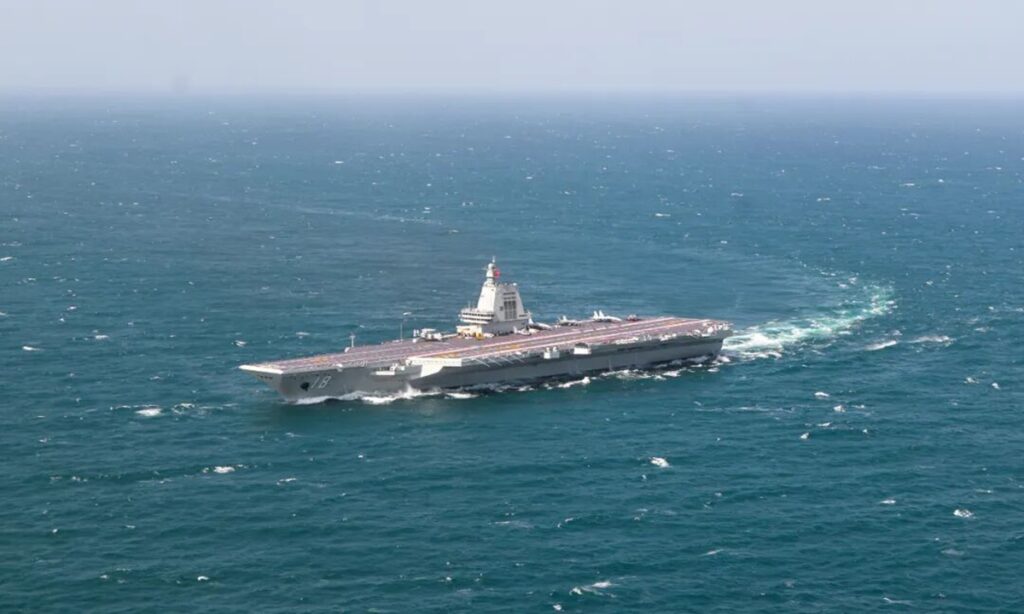
On 17 November 2025, the HMS Prince of Wales-led Carrier Strike Group (CSG) of the Royal Navy (UK) declared full operational capability with its complement of Lockheed Martin F-35B fifth-generation fighters ready under the command of the North Atlantic Treaty Organization (NATO). GOV.UK
This milestone marks a significant shift in European maritime defence posture: for the first time a UK carrier strike group enters NATO command with a full air wing of the most advanced jets, and deploys into the Mediterranean Sea alongside allied navies. The CSG’s readiness is aligned with a broader “NATO-first” strategy emphasised by the UK’s Strategic Defence Review.
The operational declaration comes off the back of Exercise Falcon Strike, where over 1,000 personnel and more than 50 aircraft from multiple nations conducted sorties from HMS Prince of Wales and allied ships, involving air-interdiction and anti-submarine scenarios, in the waters off Naples and the broader Mediterranean.
In an era of intensifying great-power competition, the advent of a European carrier strike group under allied command changes the calculus of maritime deterrence. While the United States remains a dominant naval power, Europe’s renewed commitment enhances allied burden-sharing and raises the stakes for adversaries evaluating maritime operations in contested zones.
Further, carriers are more than floating airfields: they are mobile symbols of state power, deterrence tools, and platforms for those nations seeking to assert influence in maritime theatres. With HMS Prince of Wales now mission ready, Europe has signalled its readiness to partner globally for security, not just regionally.
Analysts will watch the next phase: Exercise Neptune Strike, scheduled to involve anti-submarine warfare, amphibious landings, and multi-domain integration. How this strike group moves into contested waters and interacts with peers will offer insight into Europe’s evolving maritime strategy.
The trend is clear: carrier strike groups no longer belong solely to the super-power paradigm—they are becoming shared assets of alliances and multi-national coalitions, blurring the lines between national navies and collective security frameworks.