Physical Address
304 North Cardinal St.
Dorchester Center, MA 02124
Physical Address
304 North Cardinal St.
Dorchester Center, MA 02124

The scheduling of Trump's May summit with Xi Jinping immediately before Xi's meeting with Putin reveals the limits of U.S. triangular diplomacy. Beijing has moved from hedging between Washington and Moscow to active partnership with Russia, making appeals for Chinese pressure on Moscow ineffective.

US-China trade governance requires binding institutional procedures, not just high-level dialogue. A credible Board of Trade must establish predictable review criteria, separate commercial from security oversight, and create permanent technical infrastructure to prevent routine disputes from triggering geopolitical escalation.

The Iran crisis has exposed fundamental contradictions in US strategy across Asia, as Indo-Pacific allies, Central Asian energy exporters, and South Asian powers pursue independent courses based on their own economic and security interests rather than coordinated alignment with Washington.

Thailand has intensified asset seizures targeting an international fraud and money laundering network connected to South African businessman Benjamin Mauerberger. The case reveals systemic vulnerabilities in Thailand's financial regulatory framework and highlights the need for comprehensive regional cooperation to combat transnational financial crime in Southeast Asia.
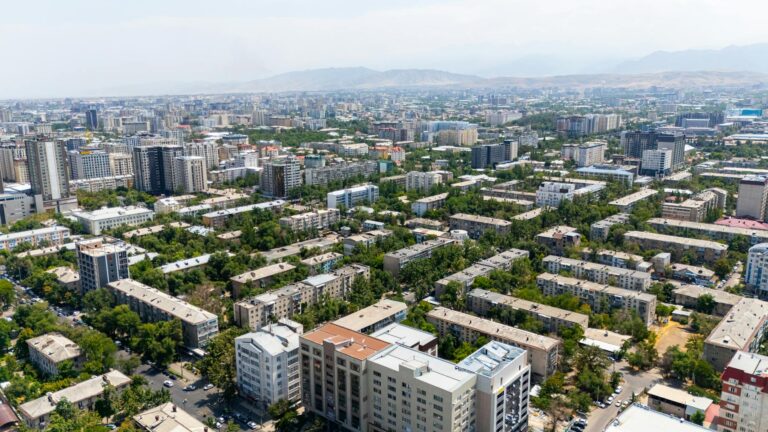
Kyrgyzstan has become a critical financial node facilitating cryptocurrency transactions between sanctioned Russia and Central Asian trade networks. This development reveals vulnerabilities in international sanctions regimes and creates regional stability challenges.

Donald Trump's 2019 meeting with Kim Jong Un at the Korean DMZ was a carefully choreographed media event that produced no substantive agreements or progress toward denuclearization. The summit exemplifies how high-level diplomatic engagement without institutional preparation generates symbolic outcomes rather than policy results.

The June 2019 Trump-Kim DMZ meeting represented unprecedented U.S.-North Korea engagement but lacked the preparatory groundwork necessary for sustained progress on denuclearisation. ANSPI analysis examines why ad hoc personal diplomacy failed to overcome structural disagreements.
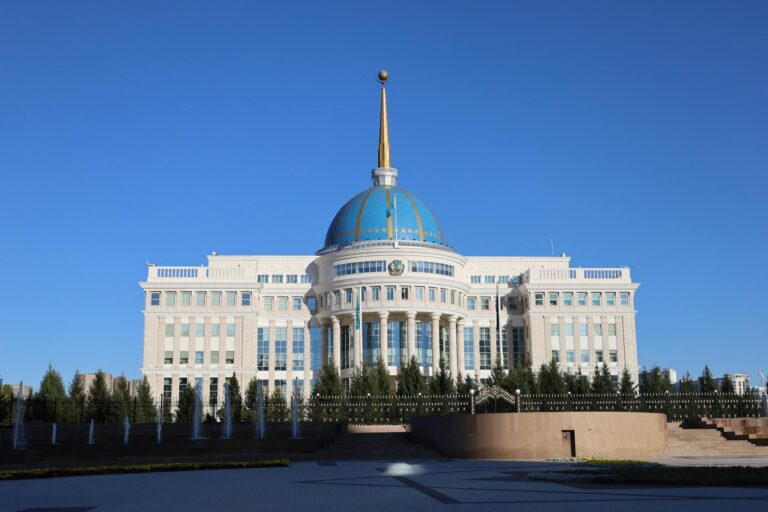
Kazakhstan's media consumption patterns reveal a strategic shift toward digital platforms and social media, while state control mechanisms persist through regulatory frameworks and media ownership concentration. This fragmented information environment has significant implications for democratic governance and foreign policy independence in Central Asia's largest economy.
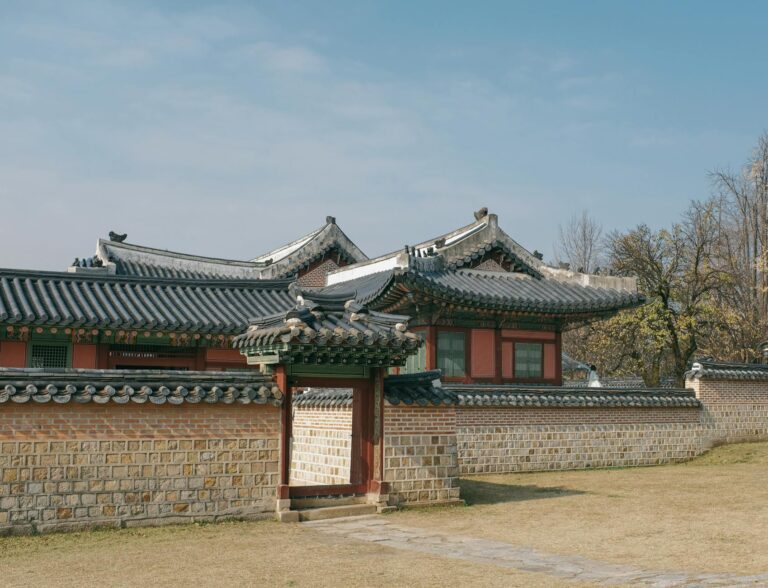
South Korea's People Power Party issued an apology ahead of local elections but faces persistent difficulty distancing itself from President Yoon Suk-yeol's administration. The party's core leadership and organizational structure remain closely aligned with Yoon's political faction, undermining the credibility of rebranding efforts.
The Iran crisis exposes fundamental contradictions within BRICS' multipolar model. Divergent strategic interests among Russia, China, India, and South Africa reveal that the bloc lacks the institutional mechanisms to coordinate effective responses to major regional conflicts, raising questions about its viability as an alternative to Western-led security architecture.