Physical Address
304 North Cardinal St.
Dorchester Center, MA 02124
Physical Address
304 North Cardinal St.
Dorchester Center, MA 02124


Survey evidence reveals that transnational repression by Hong Kong authorities affects tens of thousands of British-based Hong Kongers beyond high-profile activists, with 66% reporting feeling at risk and 32% experiencing direct repression. The infiltration of diaspora groups and surveillance operations have caused 42% to avoid public civic participation, fundamentally altering how the 200,000-strong community engages with UK society.

Chinese dissident artist Gao Zhen faces indefinite imprisonment on retroactively applied charges, while his American-citizen son remains trapped in China without access to school or his father. The case exposes how Beijing weaponizes national security laws to suppress artistic expression and employs collective family punishment as a tool of political control.

A US court dismissed a lawsuit by Rohingya refugees against Meta, citing Section 230 protections for online platforms. The decision reveals significant legal barriers to holding technology companies accountable for algorithmic amplification of hate speech linked to genocide, with major implications for Indo-Pacific digital governance.
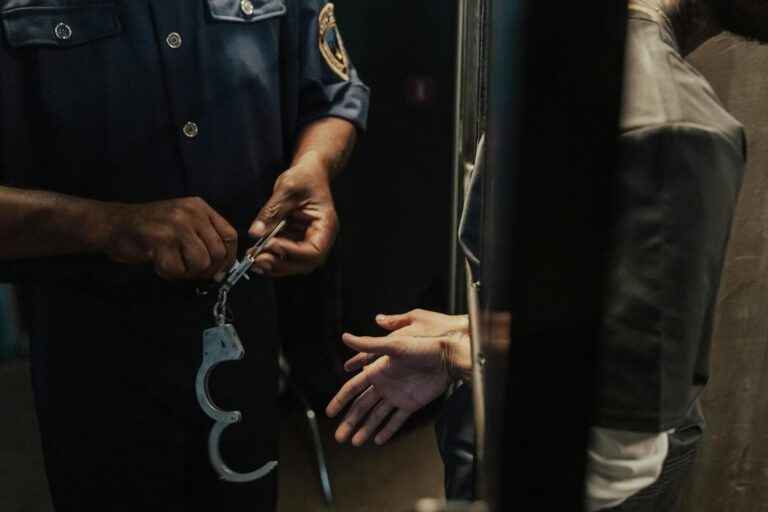
India's Prevention of Torture Act addresses custodial violence legislatively, but structural gaps in implementation and institutional design suggest legal reform alone cannot eliminate systemic abuse in detention facilities. Independent oversight mechanisms and prosecutorial reform remain essential.

Chinese feminist activism persists despite systematic state censorship through coded language, private networks, and international platforms. This adaptation reveals how civil society evolves under digital repression and offers insights into authoritarian information control.
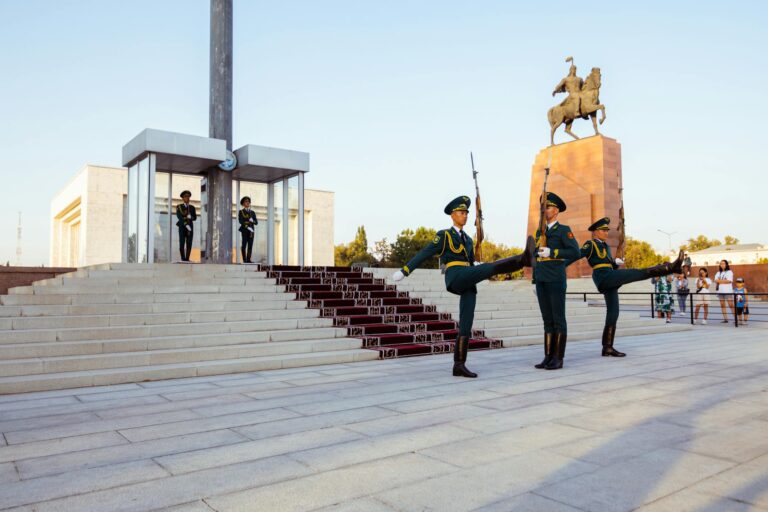
The arrest of former Kyrgyz MP Shairbek Tashiev in connection with Kyrgyzneftegaz corruption allegations reflects deeper governance challenges in Central Asia's energy sector, raising questions about institutional accountability versus political selectivity in anti-corruption enforcement.
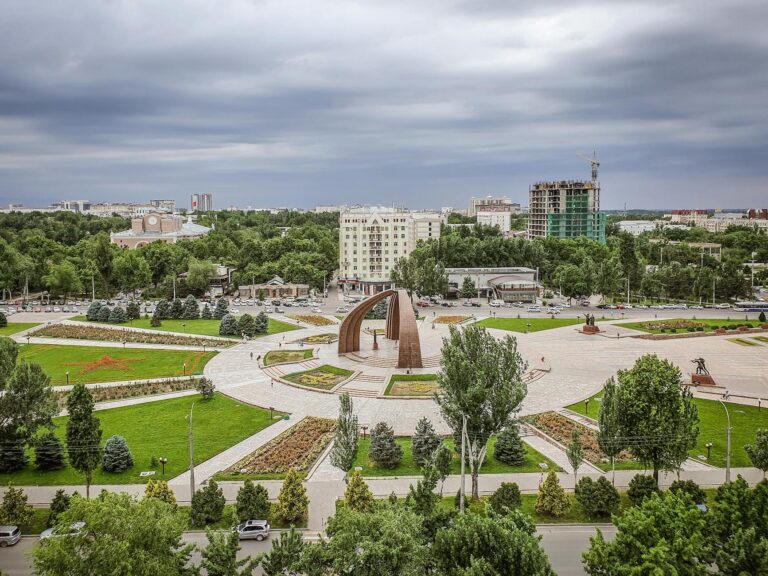
Sadyr Tashiev's return to Kyrgyzstan and his questioning as a witness—rather than formal detention—reveals how Central Asian states use procedural categorization as a political instrument. This case exemplifies the gap between formal democratic institutions and actual governance practices in post-Soviet transitions.

Umar Khalid's 2,000-day pretrial detention without trial exemplifies systematic erosion of judicial independence and due process in India. The case reveals how security legislation targeting dissent undermines democratic institutions and regional stability.

Executive Summary The extraordinary military operation executed by U.S. forces on January 3, 2026—codenamed Operation Absolute Resolve—marks a seismic shift in 21st-century geopolitics. By forcibly apprehending Nicolás Maduro and his wife, Cilia Flores, on Venezuelan soil and transporting them to…

Analyzing the Impact on Global Stability and Domestic Governance EXECUTIVE SUMMARY The key policy maneuvers by the Trump administration in December 2025 demonstrate a commitment to radical unilateralism and the severe politicization of the domestic regulatory landscape. The seizure of…