Physical Address
304 North Cardinal St.
Dorchester Center, MA 02124
Physical Address
304 North Cardinal St.
Dorchester Center, MA 02124

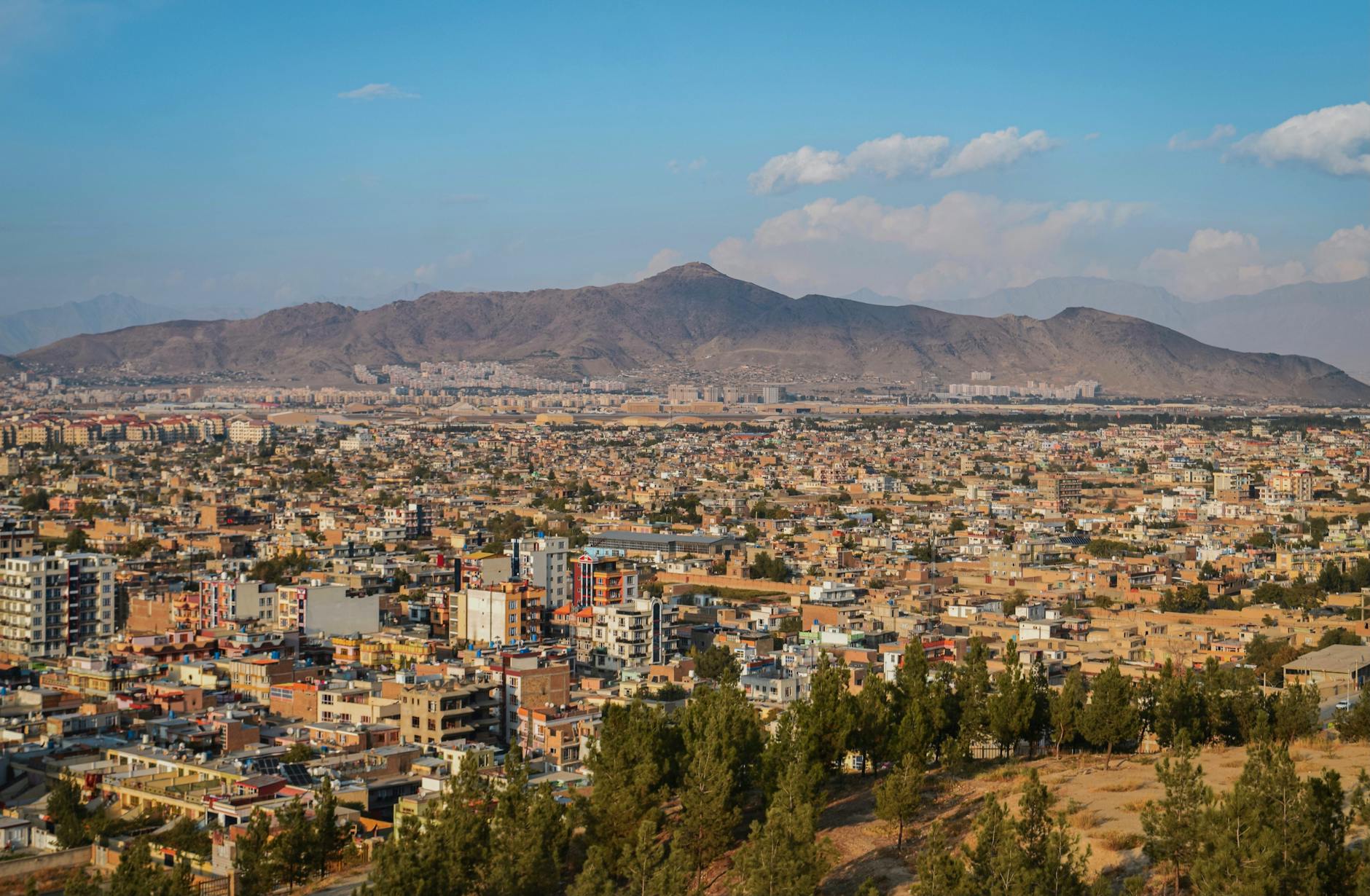
China's administrative restructuring of its Afghanistan policy apparatus signals a strategic shift from peripheral border management to active integration within Central Asia. The consolidation reflects Beijing's confidence in pursuing long-term economic, security, and geopolitical objectives across the region.
China’s recent administrative reorganisation affecting its engagement with Afghanistan signals a fundamental shift in Beijing’s strategic approach to Central Asia. Rather than treating Afghanistan as a peripheral security concern, Chinese policymakers are positioning the country as a critical node within a broader regional integration framework. This restructuring reflects Beijing’s assessment that stability in Afghanistan—and by extension, Central Asia—is now essential to advancing China’s Belt and Road Initiative (BRI) infrastructure ambitions and securing its western frontier against transnational threats.
The administrative change represents more than bureaucratic routine. It demonstrates how China’s leadership, particularly under Xi Jinping’s governance model, translates grand strategic concepts into institutional arrangements. The reorganisation consolidates decision-making authority over Afghanistan policy, reducing inter-agency fragmentation and enabling more coordinated engagement across diplomatic, security, and economic channels.
China’s administrative restructuring centralises Afghanistan policy within a unified command structure, reflecting lessons learned from earlier fragmented approaches to Central Asian engagement. By concentrating authority, Beijing can now execute a more coherent strategy that simultaneously pursues security objectives, economic integration, and diplomatic influence.
This institutional change mirrors similar consolidations China has undertaken in other strategic regions. The model prioritises rapid decision-making over consensus-building, allowing Beijing to respond more dynamically to developments on the ground. For Afghanistan specifically, this means Chinese officials can now coordinate counter-terrorism operations, trade negotiations, and diplomatic initiatives through a single authoritative channel rather than managing competing bureaucratic interests.
The restructuring also signals confidence in China’s ability to influence Afghan outcomes. Rather than maintaining a defensive posture focused solely on border security, Beijing is positioning itself as an active stakeholder in Afghanistan’s political and economic future. This represents a notable shift from China’s traditionally cautious approach to direct involvement in Afghan affairs.
China’s administrative reorganisation must be understood within the context of its broader Central Asian strategy. Afghanistan represents a critical geographic link between China’s western provinces—particularly Xinjiang—and the resource-rich markets of Tajikistan, Uzbekistan, and Turkmenistan. The Taliban’s consolidation of control over Afghanistan, despite international concerns about governance, has created an opportunity for China to pursue infrastructure projects that were previously impossible under the fragmented security environment of the post-2001 period.
The Belt and Road Initiative envisions Afghanistan as a transit corridor for trade routes connecting China to Iran, Central Asia, and potentially South Asia. Chinese investment in Afghan infrastructure—including ports, railways, and energy projects—depends on predictable governance and security conditions. By restructuring its administrative apparatus, China is signalling its intention to engage more directly in shaping those conditions.
Economic integration also serves a strategic function beyond commerce. Chinese firms operating in Afghanistan create leverage points for Beijing’s diplomatic influence. As Afghanistan’s economy becomes increasingly dependent on Chinese investment and trade, Afghan decision-makers face stronger incentives to accommodate Chinese security and geopolitical preferences.
China faces a genuine security threat from militant groups operating in Afghanistan, particularly the East Turkestan Islamic Movement (ETIM) and other Uyghur separatist organisations. These groups have historically used Afghan territory as a staging ground for operations targeting Xinjiang. The Taliban’s control of Afghanistan presents both a challenge and an opportunity for Beijing: the Taliban government is hostile to these groups but also lacks the capacity to eliminate them entirely.
The administrative restructuring enables China to pursue a dual-track security approach. First, it allows coordination with Taliban authorities on counter-terrorism operations targeting ETIM and related organisations. Second, it facilitates intelligence gathering and covert operations that China may conduct independently if Taliban cooperation proves insufficient. The centralised decision-making structure supports both overt diplomatic engagement and covert security measures without the delays that typically accompany inter-agency coordination.
China’s security calculus has shifted over the past two decades. Rather than viewing Afghanistan primarily as a source of instability that might spill into Xinjiang, Beijing increasingly sees a Taliban-controlled Afghanistan as potentially more manageable than the NATO-backed government that preceded it. The Taliban, despite its extremist ideology, has proven willing to negotiate with China and suppress groups that threaten Chinese interests. This pragmatic assessment underlies the restructuring.
China’s administrative consolidation signals its intention to compete more actively for influence in Central Asia, a region where Russia has historically maintained primacy. The Shanghai Cooperation Organisation (SCO), which includes both China and Russia as well as several Central Asian states, has become a contested arena for regional leadership. China’s more assertive engagement with Afghanistan—a SCO observer state—reflects Beijing’s bid to shape the regional security architecture.
This development also signals China’s declining patience with international consensus-building on Afghanistan. While the international community remains divided on recognising the Taliban government, China is moving ahead with pragmatic engagement based on its own strategic interests. This represents a broader pattern in Chinese foreign policy: Beijing is increasingly willing to pursue unilateral strategies when multilateral frameworks fail to serve its interests.
For other regional powers, particularly India, Russia, and Iran, China’s administrative restructuring presents a challenge. Each of these states has interests in Afghanistan that may conflict with Chinese objectives. India worries about Chinese influence enabling Pakistani-backed militants in Kashmir. Russia seeks to maintain its traditional sphere of influence in Central Asia. Iran pursues its own economic and security agenda. China’s more coordinated approach to Afghanistan policy will likely intensify competition among these regional actors.
China’s administrative reorganisation indicates that Beijing is committed to a long-term integration strategy for Afghanistan within a broader Central Asian framework. This approach extends beyond the Taliban’s tenure and reflects confidence that, regardless of future political changes, Afghanistan will remain within China’s sphere of influence.
The restructuring also suggests that China views Afghanistan not as a problem to be managed but as an asset to be developed. By consolidating decision-making authority, Beijing is positioning itself to execute a comprehensive strategy that combines security, economic, and diplomatic elements. This integrated approach contrasts sharply with the fragmented international engagement that has characterised Afghanistan policy over the past two decades.
For policymakers in Australia, the Pacific, and across the Indo-Pacific, China’s reorganisation warrants close monitoring. It demonstrates how Beijing translates strategic concepts into institutional arrangements and how China is systematically extending its influence across Central Asia. Understanding these mechanisms provides insight into how China may approach other regions and how competing powers might develop more effective counter-strategies.
The implications extend beyond Afghanistan. China’s success in consolidating influence in Central Asia will shape the broader Indo-Pacific balance of power, influencing everything from energy security to technology standards to military capabilities. The administrative change, though bureaucratic in appearance, reflects strategic ambitions that will define regional geopolitics for the coming decade.