Physical Address
304 North Cardinal St.
Dorchester Center, MA 02124
Physical Address
304 North Cardinal St.
Dorchester Center, MA 02124

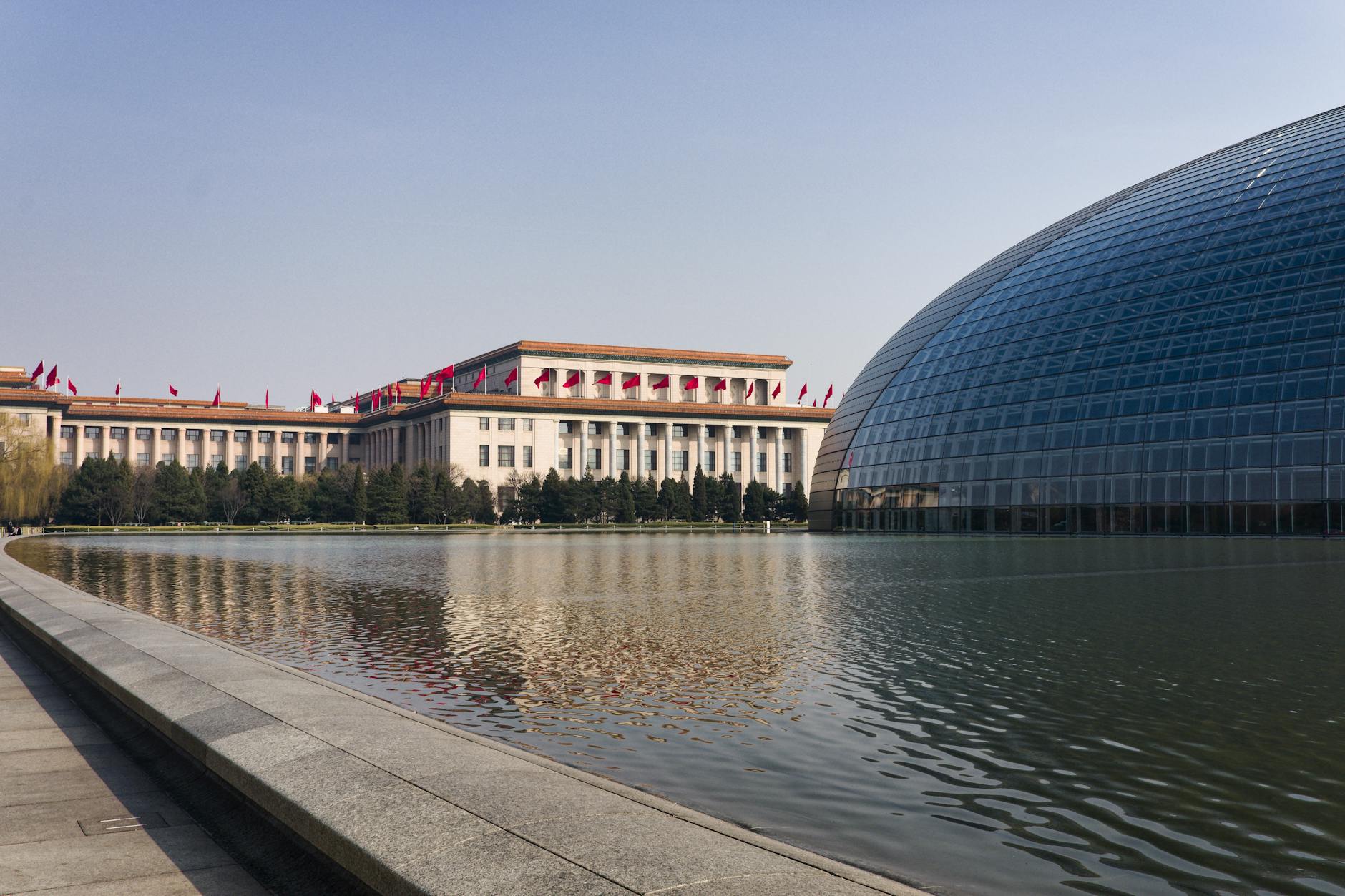
Putin's May 2026 visit to Beijing revealed the depth of China-Russia strategic alignment, exposing Washington's failed strategy of driving a wedge between Beijing and Moscow. The substantive Putin-Xi summit contrasted sharply with the hollow Trump-Xi meeting days earlier, demonstrating that personal diplomacy cannot overcome structural geopolitical convergence.
Within days of concluding talks with President Donald Trump, Chinese President Xi Jinping hosted Russian President Vladimir Putin in Beijing on May 20, 2026. The timing was no accident. Beijing’s deliberate scheduling of the Putin-Xi summit for May 20—a date homophonic with “I love you” in Mandarin—signaled far more than ceremonial courtesy. The rapid succession of these two summits revealed a fundamental strategic reality: Washington’s assumption that it could simultaneously cultivate partnerships with both Beijing and Moscow rests on a misreading of the underlying geopolitical alignment between China and Russia. The contrast between the Trump-Xi meeting and the Putin-Xi summit demonstrates that China and Russia have moved beyond tactical coordination into a deepening strategic partnership that directly challenges U.S. interests.
The Trump-Xi summit, despite its elaborate ceremonial trappings, produced minimal concrete results. The two sides issued no joint statement and released separate official readouts that emphasized divergent priorities. Washington highlighted Iran and North Korea denuclearization, while Beijing focused on Taiwan—a fundamental disagreement left unresolved. The absence of a joint press conference and the timing gap between official statements underscored the hollow nature of the diplomatic exercise. The summit achieved its stated objective of reducing immediate tension, but it failed to narrow the gap on core strategic issues.
The Putin-Xi meeting, by contrast, generated substantial deliverables. Xi and Putin signed a joint statement deepening the “comprehensive strategic partnership of coordination and good-neighborly friendship and cooperation” and jointly witnessed the signing of 20 bilateral cooperation documents covering trade, economics, culture, science and technology, education, and infrastructure. The two leaders held a joint press conference, attended the opening ceremony of the China-Russia Years of Education, and agreed to extend the Treaty of Good-Neighborliness and Friendly Cooperation between their nations.
Beijing’s official characterization of the relationship as having “reached its highest level in history” and as “a model for a new type of major country relations” carried unmistakable policy weight. The 2025 milestone—marking the 30th anniversary of China-Russia strategic coordination and the 25th anniversary of their foundational treaty—provided the diplomatic framework for reaffirming a partnership that has deepened substantially since 2022. The substantive nature of the Putin-Xi meeting stood in stark contrast to the procedural emptiness of Trump-Xi diplomacy.
Putin’s Beijing visit functioned as more than bilateral diplomacy. It served as a rapid coordination mechanism through which Xi and Putin assessed the policy signals Washington had conveyed during the Trump-Xi talks and aligned their responses. The agenda almost certainly included how to manage continued U.S. pressure on Iran, how to sustain Russian operations in Ukraine amid sustained territorial losses since October 2023, and how to reinforce their competing narratives on the international stage.
This alignment exercise reflects a deeper reality: Russia’s economic dependence on China and access to Chinese dual-use goods have created asymmetric interdependence that binds Moscow to Beijing’s strategic preferences. China, meanwhile, sees Russia as a critical counterweight to U.S. power and a source of energy security. Both nations share a fundamental long-term objective that transcends tactical disputes: weakening the Western-led international order centered on the United States and eroding Washington’s global influence.
The Trump administration’s second-term strategy attempted to drive a wedge between Beijing and Moscow by offering Putin closer relations while maintaining pressure on China. This approach failed because it misunderstood the structural basis of China-Russia coordination. The strategy also underestimated how thoroughly Beijing had prepared for renewed U.S. trade conflict after the first Trump term. When Washington imposed indiscriminate tariffs on traditional allies—compounding the damage Trump had inflicted on the transatlantic relationship—it inadvertently strengthened Beijing’s resolve and confidence to withstand U.S. pressure.
Trump’s eventual retreat from his hardline China posture and pursuit of a diplomatic thaw represented an implicit admission that Beijing now possesses sufficient international status and economic leverage to negotiate with Washington on something approaching equal terms. Yet this tactical adjustment masked a deeper strategic failure: Washington has simultaneously alienated its alliance network—perhaps its most important strategic asset—while harboring unrealistic illusions about converting strategic rivals into partners through personal diplomacy and transactional deals.
Unlike the United States, which has insulted and isolated traditional allies while fighting alone in confrontations with Iran, Beijing and Moscow have maintained strategic clarity about their interests and enemies. They have stood firmly together against the United States and consistently worked to erode U.S.-led multilateral mechanisms.
During the Putin-Xi meeting, Beijing and Moscow issued a “joint statement on advocating a multipolar world and a new type of international relations.” Although the statement avoided naming the United States directly, it explicitly criticized “unilateralism” and “hegemonism” for pushing international relations toward “the law of the jungle.” The two nations positioned themselves as defenders of United Nations authority and international fairness.
This rhetorical positioning carries significant political effect. As the Trump administration weakens the credibility of its own alliances and undermines multilateral institutions, China and Russia find it considerably easier to present themselves as defenders of international order. The irony is sharp: two authoritarian powers that routinely violate international norms and suppress dissent have successfully occupied the moral high ground in global discourse, a position handed to them by Washington’s unilateralist approach.
The failure of Trump’s simultaneous strategy toward China and Russia exposes Washington’s most consequential strategic misjudgment: an inability to distinguish friends from enemies. The United States has exhausted, humiliated, and in some cases abandoned its traditional alliance network—arguably its most important strategic asset against Beijing or Moscow. Simultaneously, the Trump administration has indulged unrealistic illusions about strategic rivals, imagining that personal diplomacy and short-term transactions can overcome the deeper structural convergence between China and Russia.
The Beijing-Moscow alignment will likely deepen further as both nations face sustained U.S. pressure. Russia’s continued dependence on Chinese economic support and technology during its Ukraine operations, combined with shared interests in challenging the U.S.-led order, creates durable incentives for coordination. China’s interest in maintaining Russia as a strategic counterweight and energy supplier reinforces this partnership. Washington’s unilateralist approach has inadvertently accelerated the very outcome it sought to prevent: a more cohesive Beijing-Moscow axis working systematically to weaken U.S. global influence.
For policymakers in Washington and allied capitals, the lesson is clear: the window for rebuilding damaged alliance relationships and preventing further China-Russia integration has narrowed. The contrast between the hollow Trump-Xi summit and the substantive Putin-Xi meeting illustrates that strategic partnerships are built on shared long-term interests and institutional depth, not ceremonial gestures or transactional deals. Until the United States demonstrates commitment to its alliance network and coherent long-term strategy, Beijing and Moscow will continue moving in the same direction—away from the Western order.