Physical Address
304 North Cardinal St.
Dorchester Center, MA 02124
Physical Address
304 North Cardinal St.
Dorchester Center, MA 02124

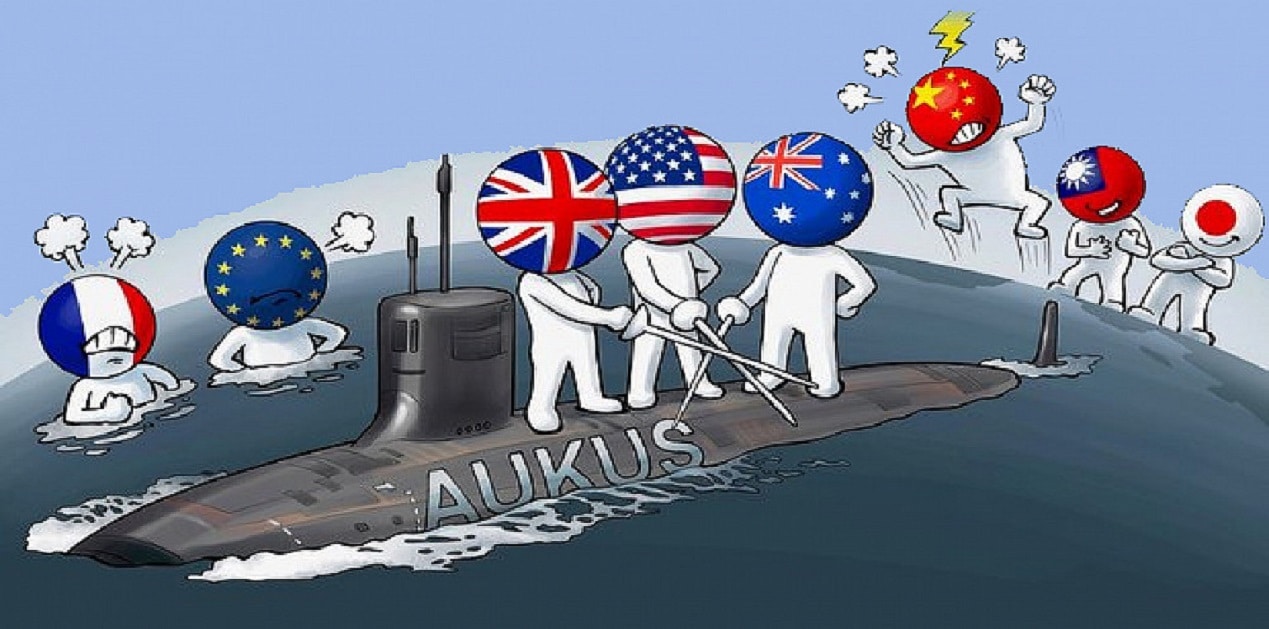
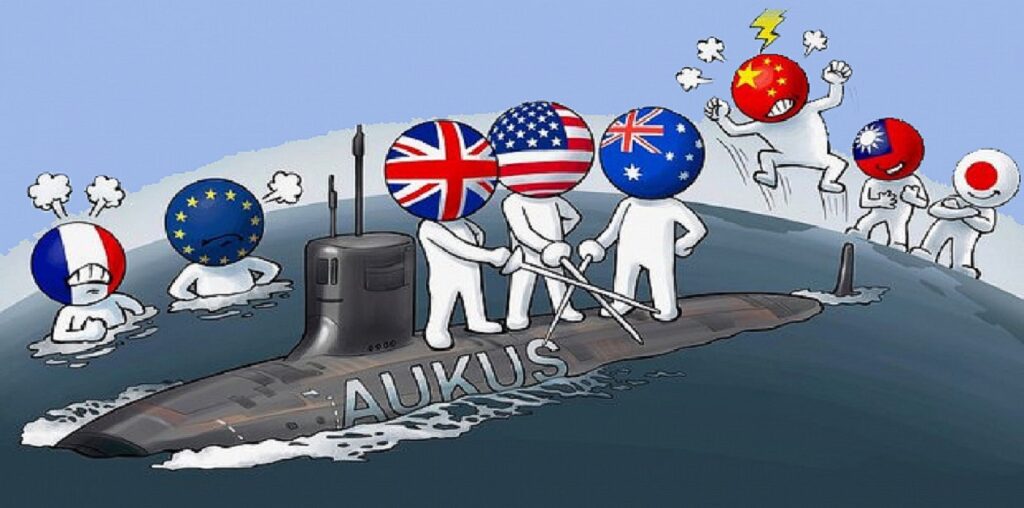
As regional tensions intensify, the AUKUS security partnership has re-entered the spotlight. However, analysts argue that while nuclear-powered submarines are a central element of the pact, the Indo-Pacific region requires a far broader strategy to ensure long-term stability.
Recent commentary highlights that the Indo-Pacific’s evolving security landscape—marked by territorial disputes, intensified naval presence, and strategic competition—cannot be addressed solely through platform-centric military upgrades. Instead, a more comprehensive approach is needed: joint technological development, secure supply chains, coordinated cyber defense, and deeper diplomatic engagement.
Observers also emphasize that AUKUS must be integrated with regional architectures such as ASEAN, the Quad, and existing bilateral defence agreements. Without broader cooperation, the pact risks being seen as a narrowly military initiative rather than a stabilizing regional framework.
At the same time, the renewed momentum behind AUKUS underscores the sense of urgency among partner nations. As great-power rivalry intensifies, the Indo-Pacific is emerging as the world’s most strategically contested region, and AUKUS is positioning itself as a central player in shaping regional norms and security standards.