Physical Address
304 North Cardinal St.
Dorchester Center, MA 02124
Physical Address
304 North Cardinal St.
Dorchester Center, MA 02124
Vietnam and South Korea have committed to strengthened cooperation on supply chain resilience and nuclear energy development, reflecting both nations' strategic response to regional vulnerabilities and geopolitical competition in the Indo-Pacific.
Vietnam and South Korea have moved to substantially strengthen their bilateral strategic partnership, with both nations committing to expanded cooperation across critical supply chain infrastructure and nuclear energy development. The agreement reflects a calculated response to regional supply chain vulnerabilities exposed by Middle Eastern instability and broader Indo-Pacific geopolitical competition.
South Korean President Lee Jae-myung articulated the strategic rationale for deepened engagement, noting that “the need for cooperation between our nations has grown even greater” in the context of current Middle Eastern tensions. This statement underscores Seoul’s assessment that supply chain diversification and energy security require strengthened partnerships with trusted Indo-Pacific allies, particularly Vietnam, which has emerged as a critical manufacturing and logistics hub in Southeast Asia.
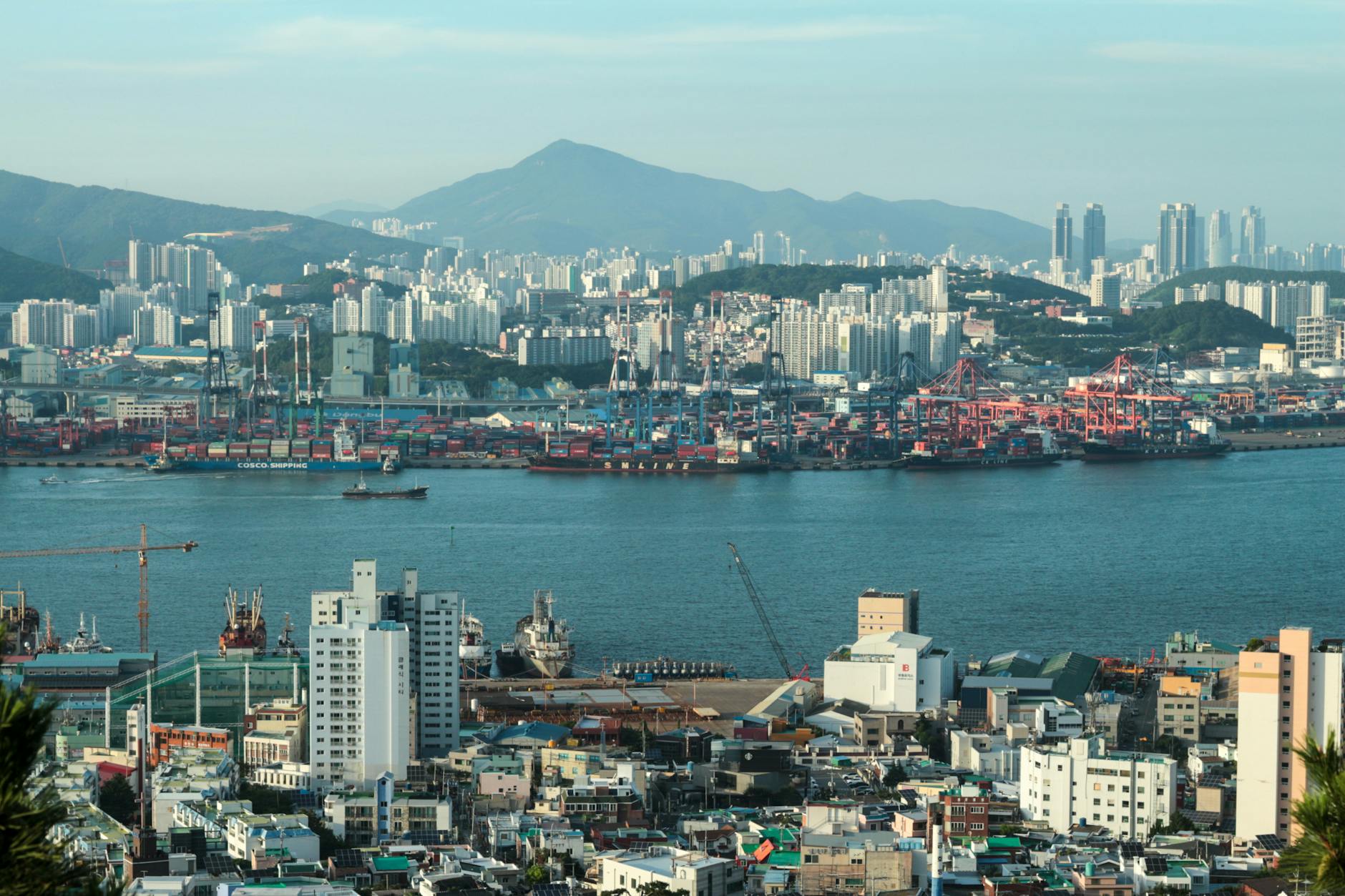
The Vietnam-South Korea supply chain cooperation initiative addresses a fundamental vulnerability in contemporary regional economics. Vietnam’s position as a major manufacturing centre—particularly in semiconductors, electronics, and textiles—combined with its geographic proximity to major shipping lanes, makes it strategically valuable for Seoul’s supply chain diversification strategy.
South Korea’s manufacturing sector, heavily dependent on stable supply chains for components and raw materials, faces multiple pressure points. Middle Eastern tensions directly threaten energy supplies and maritime trade routes through the Strait of Hormuz, through which approximately 20 percent of global crude oil passes. By deepening supply chain integration with Vietnam, Seoul reduces its vulnerability to single-point-of-failure disruptions and creates redundancy in critical manufacturing networks.
This cooperation likely encompasses several operational dimensions: joint logistics infrastructure development, standards harmonization for manufacturing and trade, preferential trade arrangements, and potentially shared industrial zones or manufacturing clusters. Such arrangements would enable faster component sourcing, reduce transit times, and create buffer capacity in the event of supply shocks affecting other regional partners.
The nuclear energy cooperation component of the agreement carries particular strategic weight. South Korea possesses world-leading nuclear technology and expertise, with a domestic nuclear fleet comprising 24 reactors producing approximately 30 percent of the nation’s electricity. Vietnam, despite its substantial coal reserves, has identified nuclear energy as essential to meeting growing electricity demand while reducing carbon emissions and achieving net-zero commitments.
Vietnam’s previous nuclear development program stalled after the 2011 Fukushima disaster, when the government suspended plans for two 1,000 MW reactors. The renewed cooperation with South Korea suggests Vietnam is reassessing nuclear energy’s role in its energy transition strategy. For Seoul, this represents an opportunity to export nuclear technology and expertise—a sector where South Korean firms like Korea Electric Power Corporation (KEPCO) and Doosan Heavy Industries have developed significant international competitiveness.
The nuclear cooperation agreement likely includes technical training, regulatory framework development, and potentially equipment supply or joint ventures. Such arrangements would advance Vietnam’s energy security while creating commercial opportunities for South Korean technology providers and establishing Seoul as a trusted partner in Vietnam’s critical infrastructure development.
The timing of this agreement reflects broader strategic recalibration in the Indo-Pacific. Both Vietnam and South Korea face complex geopolitical environments: Vietnam navigates great power competition between the United States and China while maintaining economic interdependence with Beijing; South Korea manages alliance commitments to Washington while managing economic ties to China and the threat posed by North Korea.
For Vietnam, deepening ties with South Korea provides an alternative partnership to offset excessive dependence on any single power while maintaining its non-aligned strategic posture. South Korea’s technological capabilities and manufacturing prowess offer Vietnam pathways to economic modernization without the political complications that might accompany similar arrangements with other partners.
For South Korea, Vietnam represents a strategically located partner in a region where China’s influence is substantial. Strengthening Vietnam ties helps Seoul maintain influence in Southeast Asia, support the ASEAN-led regional architecture, and ensure that critical supply chains remain accessible to democratic market economies. This aligns with Seoul’s broader “New Southern Policy,” which prioritizes engagement with Southeast Asian nations.
The Vietnam-South Korea partnership contributes to a broader trend of supply chain restructuring in the Indo-Pacific. Western and allied nations have increasingly pursued “friend-shoring”—concentrating supply chains among trusted partners—as a response to both geopolitical risk and economic security concerns. This agreement exemplifies that trend, creating an alternative supply chain corridor that reduces dependence on routes vulnerable to disruption or coercion.
The cooperation also has implications for ASEAN cohesion. Vietnam’s strengthened ties with South Korea could influence broader Southeast Asian engagement with Seoul, potentially strengthening ASEAN-South Korea relations and creating counterbalance to Chinese economic dominance in the region. This is particularly significant given Vietnam’s role as a 2024 ASEAN chair and its influence within the regional bloc.
The Vietnam-South Korea agreement signals a maturation of bilateral ties from transactional trade relationships toward strategic partnerships encompassing energy security, manufacturing resilience, and technology transfer. This represents a model that other Indo-Pacific nations are likely to emulate—formalizing supply chain cooperation, technology partnerships, and energy collaboration with trusted allies.
The sustainability of this partnership depends on several factors: Vietnam’s ability to maintain investment climate stability, South Korea’s commitment to technology transfer and fair partnership terms, and both nations’ capacity to manage their respective relationships with China without triggering economic retaliation. The nuclear energy component particularly requires long-term political commitment and regulatory consistency from Vietnam.
For regional security architecture, this partnership demonstrates that supply chain resilience and energy security are becoming primary drivers of alliance formation in the Indo-Pacific. Nations that can offer technology, manufacturing capacity, and energy solutions will likely find themselves at the centre of emerging regional partnerships, while those dependent on contested supply routes or vulnerable to energy coercion face strategic disadvantage. Vietnam and South Korea’s agreement reflects this emerging reality and will likely serve as a template for similar partnerships across the region.