Physical Address
304 North Cardinal St.
Dorchester Center, MA 02124
Physical Address
304 North Cardinal St.
Dorchester Center, MA 02124

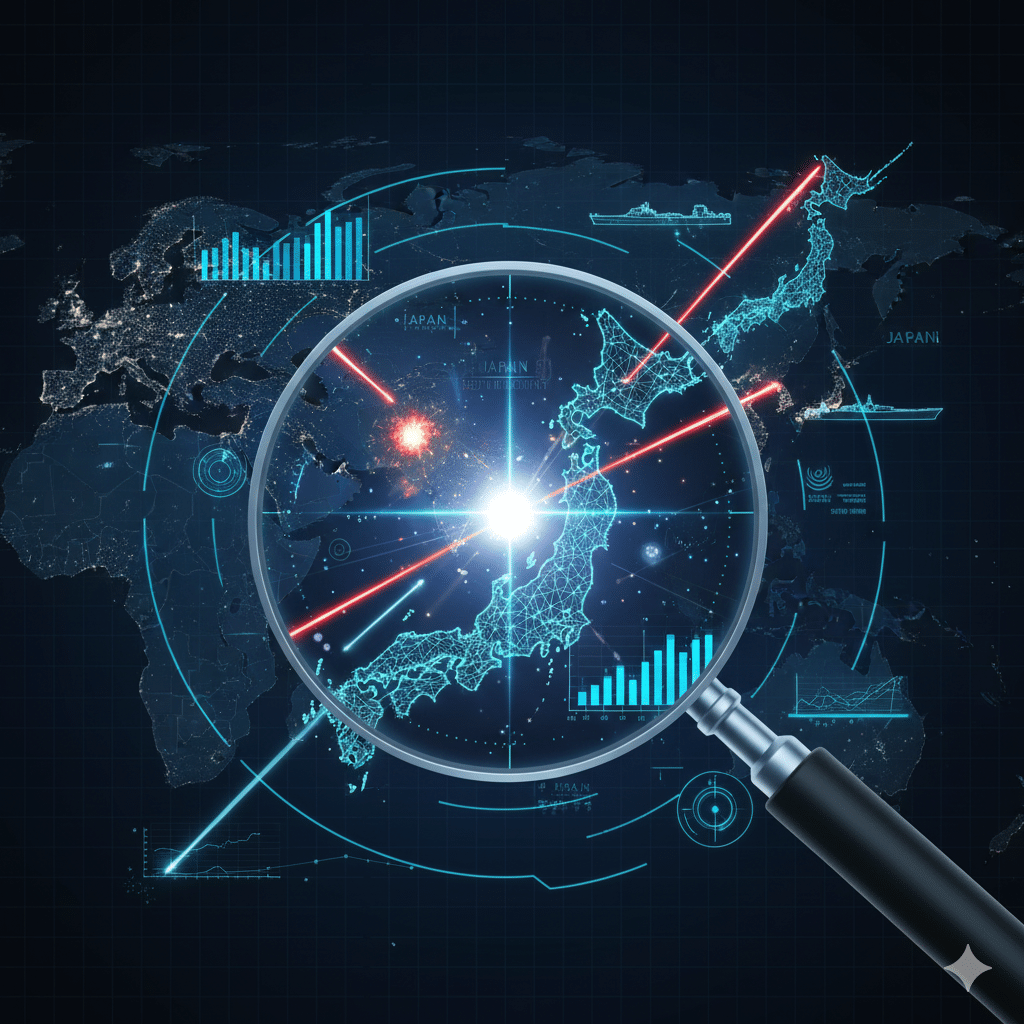
Japan’s confirmed plan to deploy anti-air missiles on Yonaguni Island, located just 110 kilometers from Taiwan, marks a critical step in the militarization of Japan’s “Southwest Defense Line.”
Japan’s decision to deploy missiles on Yonaguni is a proactive, forward defense strategy based on its perception of a rapidly deteriorating security environment in the Indo-Pacific.
This move reinforces the alliance’s “joint operational capabilities.” In a Taiwan contingency, Yonaguni’s missile units would function as a critical sensor and fire-support node within the U.S.-Japan synchronized defense structure, enhancing Intelligence, Surveillance, and Reconnaissance (ISR) over the sensitive maritime domain.
China interprets Japan’s deployment as a direct challenge to its core national interests.
Beijing views this as concrete military evidence of Japan’s continued efforts to blur the lines of “Exclusive Defense.” Though defensive in nature, the deployment location is perceived as an attempt to “internationalize” and “militarize” the Taiwan issue, threatening China’s core sovereignty goals.
To counter Japan’s emerging A2/AD network in the southwest islands, the PLA is expected to adopt the following countermeasures:
| Forecast Area | Trend and Specific Prediction | Strategic Implications |
| Military Deployment | Irreversible Militarization: Japan will accelerate the deployment of Type 12 SSM-ER systems across Yonaguni, Miyako, and Ishigaki islands, creating a highly capable “Island Chain Fortress” with area denial capabilities. | The military balance in the Taiwan Strait will shift toward more intense offensive-defensive confrontation; the islands become a high-risk combat zone. |
| Sino-Japanese Relations | Normalization of “Gray Zone” Conflict: China’s Coast Guard and Unmanned Aerial Vehicles (UAVs) will increase aggressive maneuvers around the Senkaku/Diaoyu Islands and the periphery of Japan’s new defense zone. The risk of an unintentional military incident will significantly increase. | Political trust will plummet, and economic/diplomatic relations will be continuously constrained by military tension. |
| Taiwan Strait Crisis | Geographic Expansion of the Crisis: The missile deployment ensures that Japan cannot remain entirely neutral in a Taiwan contingency. Yonaguni will inevitably become a primary or secondary military target for the PLA. | The linkage between “a Taiwan contingency” and “a Japan contingency” becomes militarily solidified, dramatically raising the stakes and risk of a broader regional conflict. |
In light of the projected risks, the think tank recommends the following policy actions for regional actors and the international community:
| Actor | Policy Goal | Specific Recommended Actions |
| China & Japan | Establish a minimum viable crisis management mechanism. | Immediately activate and regularize a dedicated military hotline between their defense forces; sign a Memorandum of Understanding (MOU) on military action transparency regarding missile tests and major exercises in the Southwest Theater. |
| Japan | Enhance the transparency and persuasive power of its defense policy. | Publicly clarify the strictly defensive nature and range of the missile systems deployed; provide formal assurances that the systems will not be actively integrated into U.S. offensive networks without clear cause. |
| United States | Act as a “Shock Absorber” to prevent uncontrolled escalation between Beijing and Tokyo. | Balance support for Japan’s defense build-up with diplomatic pressure on both sides to exercise restraint; integrate Sino-Japanese military dialogue into high-level U.S.-China diplomatic agendas to facilitate indirect communication. |
| International Community | Promote multilateral security dialogue to de-escalate unilateral risk. | Encourage ASEAN or other neutral nations to host a multilateral security forum covering key actors (China, U.S., Japan, South Korea) to establish Confidence-Building Measures (CBMs) for maritime security in the Indo-Pacific. |
Disclaimer: This analysis is based on publicly available information and is intended for expert policy discussion. The views expressed herein do not necessarily reflect the official policies of any government or organization.