Physical Address
304 North Cardinal St.
Dorchester Center, MA 02124
Physical Address
304 North Cardinal St.
Dorchester Center, MA 02124

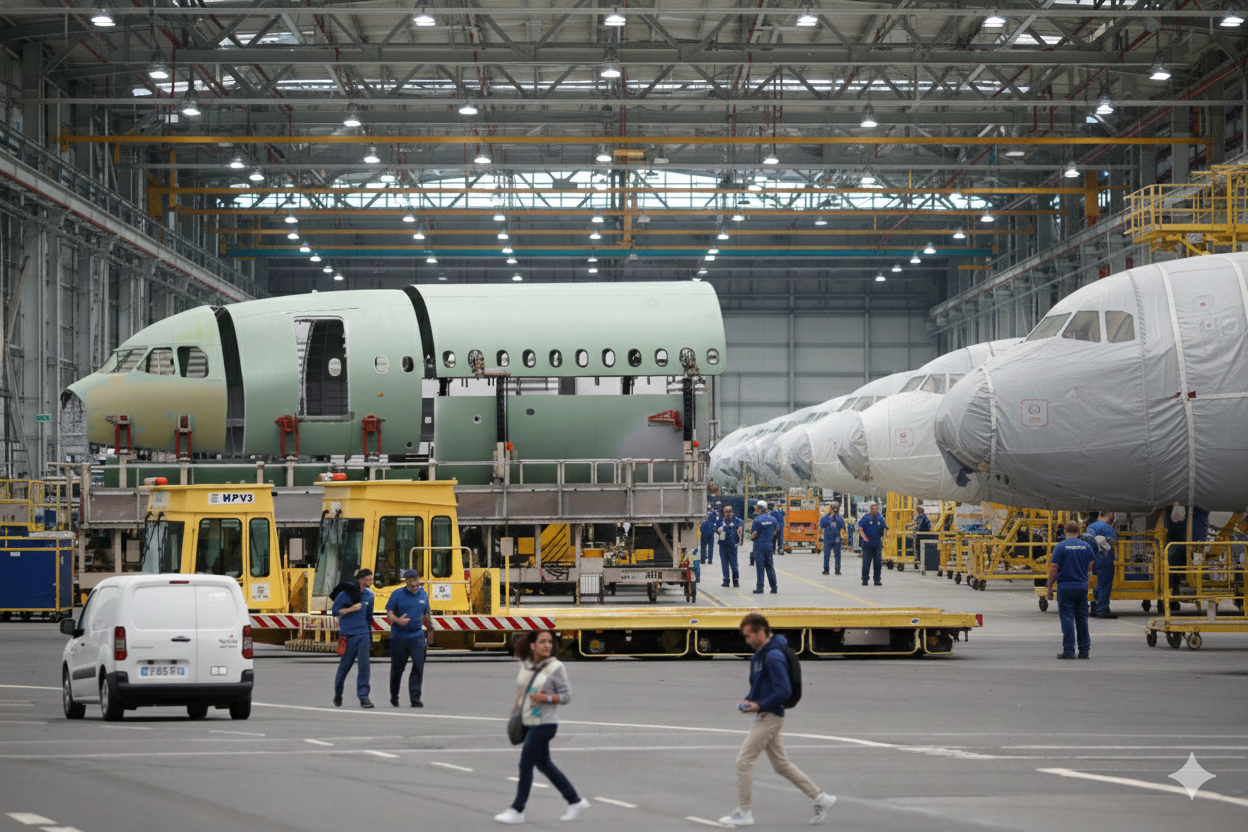
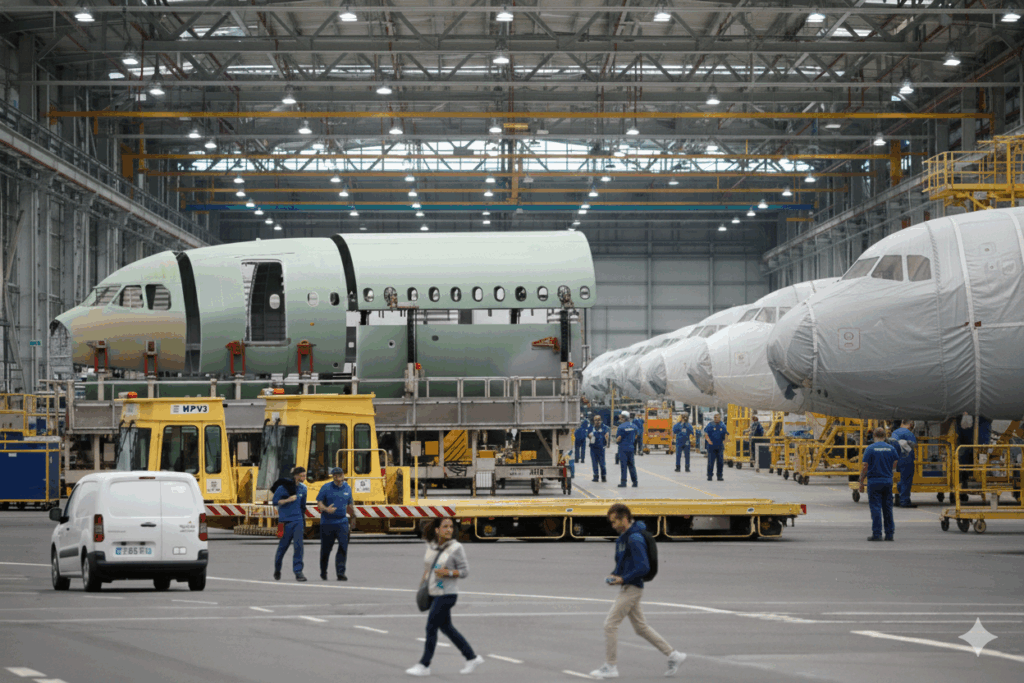
The mandated recall of roughly 6,000 Airbus A320 family jets, stemming from an incident where intense solar radiation potentially corrupted critical flight control data, represents a pivotal moment for global aviation. This crisis, triggered by a seemingly isolated flight control failure and traced to the Elevator and Aileron Computer (ELAC) software, underscores a profound vulnerability: the aerospace industry’s increasing dependence on complex digital systems exposed to environmental forces beyond traditional design parameters. This unexpected operational shock, coinciding with peak holiday travel, mandates a strategic overhaul of regulatory standards, software certification protocols, and the industry’s approach to resilience against “space weather” events.
The immediate cause of the issue—a software update that introduced a weakness susceptible to data corruption by energetic particles—is less important than what it reveals about the entire design philosophy. For decades, aviation safety has rested on robust mechanical redundancy. The A320 incident, however, signals that an external, non-mechanical force (solar radiation) can bypass physical redundancies by corrupting the core digital logic shared across redundant systems.
The sheer scale of the mandated fix—impacting nearly half the global A320 fleet—constitutes one of the largest operational shocks in modern commercial aviation history.
The immediate crisis management phase must transition into a strategic planning phase guided by the following predictive imperatives:
Within the next three years (2026-2029), EASA and the FAA will mandate specific, quantifiable standards for shielding and tolerance against solar flare activity and electromagnetic interference (EMI) for all new flight-critical systems. This will inevitably increase the cost of R&D and certification for both Airbus and Boeing, potentially adding 5-8% to the unit cost of next-generation aircraft due to the integration of specialized shielding materials and hardened electronics.
The industry will move away from a primary focus on hardware failure liability toward software integrity and design governance. Following this crisis, future certification reviews will require manufacturers to provide unprecedented transparency and auditability into their flight control codebases. This liability shift will lead to airlines increasingly demanding software audit rights as part of standard procurement contracts.
The reliance on digital flight control integrity is paramount for Extended-range Twin-engine Operational Performance Standards (ETOPS). We predict the A320’s new long-range derivative, the A321XLR, will face significant certification delays—potentially 6 to 12 months—as EASA imposes rigorous new testing protocols to ensure the aircraft’s digital systems can maintain integrity during prolonged oceanic flights far from immediate diversion airports, especially under heightened space weather risk scenarios.
Airlines’ long-term procurement decisions will evolve. Beyond fuel efficiency and maintenance costs, carriers will now prioritize aircraft with documented superior system auditability and redundancy isolation. This crisis will incentivize the development of next-generation aircraft architectures that are inherently less susceptible to common-mode failure mechanisms triggered by external environmental factors, giving a competitive edge to the manufacturer who first integrates a truly “space weather-resilient” flight control system.
Conclusion: The Airbus A320 recall serves as an expensive lesson in systemic fragility. The solution is not merely a software patch, but a paradigm shift in aviation safety engineering that acknowledges the digital environment as a key source of risk. The competitive advantage in the next decade will belong to the aerospace firm that can successfully integrate advanced software governance, superior component hardening, and forward-looking regulatory compliance into a unified urban resilience model for the skies.