Physical Address
304 North Cardinal St.
Dorchester Center, MA 02124
Physical Address
304 North Cardinal St.
Dorchester Center, MA 02124

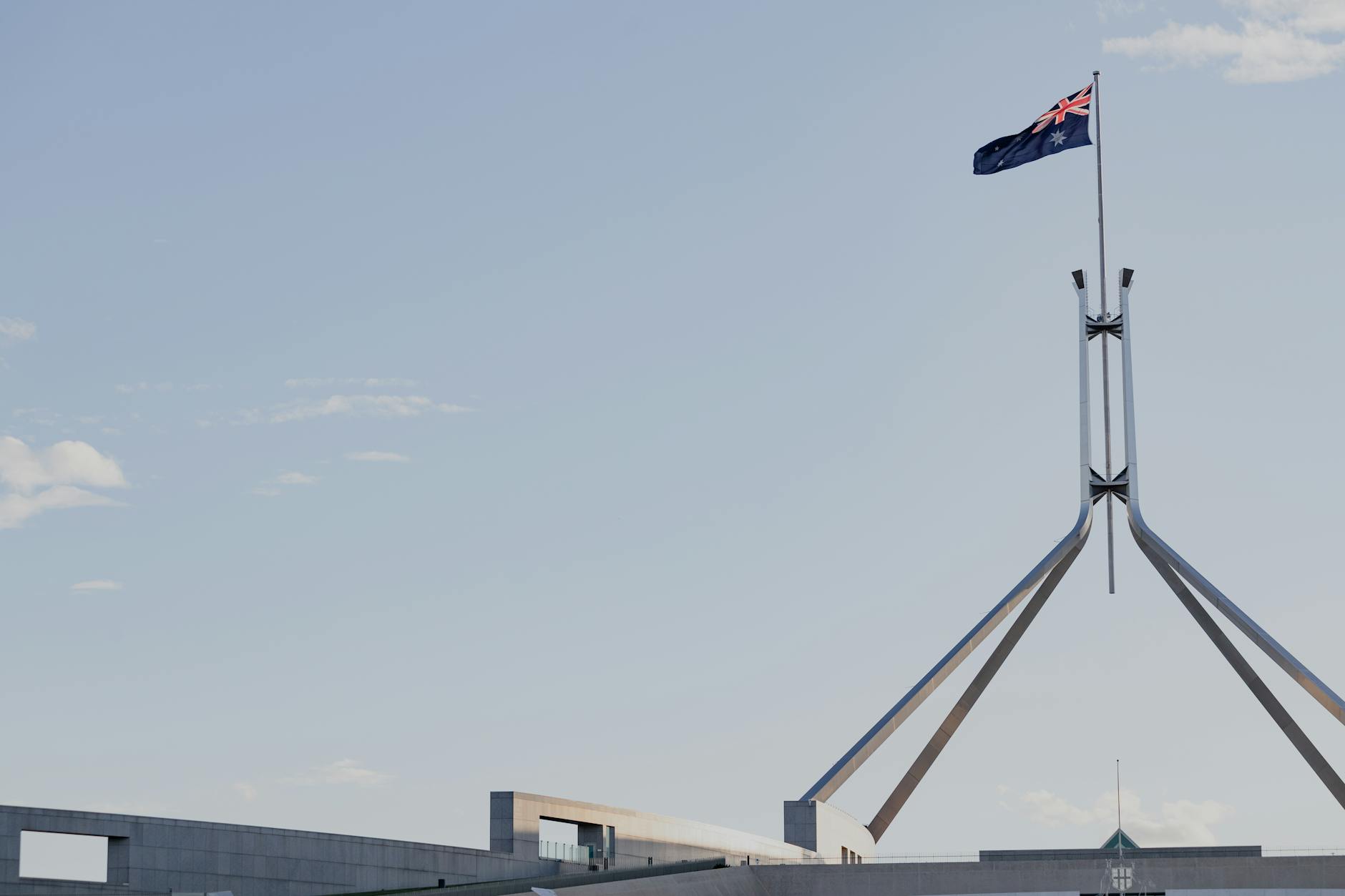
Angus Taylor assumes Liberal Party leadership following Sussan Ley's departure, inheriting significant policy challenges spanning Indo-Pacific defence strategy, energy policy, and economic management. His early decisions will signal whether the Coalition can provide coherent policy alternatives while maintaining bipartisan consensus on critical national security issues.
Angus Taylor’s ascension to the leadership of Australia’s Liberal Party marks a significant inflection point for the Coalition as it navigates profound shifts in the Indo-Pacific security environment and domestic economic policy. Taylor assumes the role following Sussan Ley’s departure, inheriting not merely a party structure but a complex set of policy challenges that will define the Coalition’s positioning ahead of the next federal election. The transition occurs against a backdrop of intensifying geopolitical competition in the Indo-Pacific, evolving defence postures, and domestic pressures on energy and economic policy.
The timing of this leadership change is strategically consequential. Australia’s opposition leadership directly influences the parameters of national security debate, defence spending commitments, and foreign policy consensus-building. Taylor’s early decisions will signal whether the Coalition intends to sharpen its differentiation from the Albanese government or pursue areas of bipartisan alignment on critical national interests.
Sussan Ley’s tenure as Liberal leader established certain policy trajectories that Taylor must now navigate. Ley’s leadership focused on economic management narratives and critiques of government spending, positioning the Coalition as a fiscally conservative alternative. However, her departure leaves unresolved tensions within Coalition ranks regarding the balance between economic orthodoxy and the substantial defence investments required by Australia’s strategic environment.
The handover creates an immediate test of leadership authority. Taylor must demonstrate capacity to unite a party that has experienced multiple leadership transitions in recent years—a pattern that has historically weakened opposition effectiveness in parliamentary debate and policy advocacy. The “high hurdle” referenced in party commentary likely encompasses both internal factional management and the substantive challenge of articulating a coherent alternative vision to government policy across multiple domains simultaneously.
Australia’s defence posture represents one of the most consequential policy areas where Taylor’s leadership will be tested. The AUKUS partnership framework, established under the Morrison government and continued by Albanese, commits Australia to substantial defence spending increases and technological integration with the United States and United Kingdom. The Coalition, having initiated this strategic pivot, faces the challenge of either endorsing continuity or proposing alternative approaches—a particularly delicate balance given bipartisan support for the arrangement.
Taylor’s background as Energy Minister and former climate policy spokesperson suggests he may prioritize economic dimensions of defence policy—supply chain resilience, industrial capacity, and cost-effectiveness—rather than purely military-strategic arguments. This orientation could position the Coalition to critique defence procurement decisions on efficiency grounds while maintaining strategic alignment with government objectives. However, this approach requires careful calibration to avoid appearing to undermine national security commitments during a period of elevated Indo-Pacific tensions.
Taylor’s previous portfolio responsibility for energy policy positions him to contest government direction on Australia’s energy transition and emissions reduction frameworks. The Coalition’s internal divisions on climate policy—evident in ongoing tensions between moderate and conservative factions—remain unresolved. Taylor’s leadership will need to establish a coherent energy policy that addresses both climate commitments and economic competitiveness concerns without fracturing the party further.
The intersection of energy policy and defence industrial capacity presents particular analytical importance. Australia’s transition to renewable energy systems has direct implications for the manufacturing and technological base required for advanced defence capabilities. Taylor’s approach to reconciling these competing pressures will reveal whether the Coalition can articulate an integrated economic-security strategy or whether it will revert to the fragmented policy positions that characterized recent Coalition governments.
The Coalition’s capacity to function as an effective opposition depends significantly on leadership coherence and strategic message discipline. Taylor must establish clear policy differentiation from the government without appearing obstructionist on matters of genuine national consensus. This requires particular sophistication on Indo-Pacific security issues, where bipartisan agreement on strategic threat assessments coexists with legitimate disagreement on implementation approaches.
The early months of Taylor’s leadership will establish precedent for how the Coalition engages with government on critical legislation—particularly defence spending bills, AUKUS-related arrangements, and potential responses to evolving regional security dynamics. Premature confrontation risks appearing partisan on national security; excessive accommodation risks rendering the opposition irrelevant to policy discourse.
Angus Taylor’s leadership of the Liberal Party arrives at a moment of strategic inflection for Australia. The Indo-Pacific security environment continues to deteriorate, with Chinese military modernization, increased great power competition for regional influence, and evolving alliance architectures creating new policy demands. Simultaneously, Australia confronts domestic economic pressures—inflation, cost of living challenges, and industrial transition—that require coherent policy responses.
Taylor’s immediate challenge involves demonstrating that the Coalition can provide substantive policy alternatives without fragmenting on core security issues. His success will be measured not by parliamentary theatrics but by whether he can rebuild Coalition credibility on economic management while maintaining strategic consensus on Indo-Pacific security. The party’s internal cohesion, the sophistication of its policy development, and Taylor’s capacity to communicate clear strategic vision will determine whether the Coalition emerges as a credible alternative government or remains trapped in reactive opposition politics.
The “high hurdle” Ley has left represents more than a single policy challenge—it encompasses the fundamental test of whether the Coalition can function as a disciplined, strategically coherent political force during a period when Australia’s national interests demand consistent, bipartisan engagement with complex security and economic challenges. Taylor’s leadership will reveal whether the Coalition is capable of meeting this standard.