Physical Address
304 North Cardinal St.
Dorchester Center, MA 02124
Physical Address
304 North Cardinal St.
Dorchester Center, MA 02124

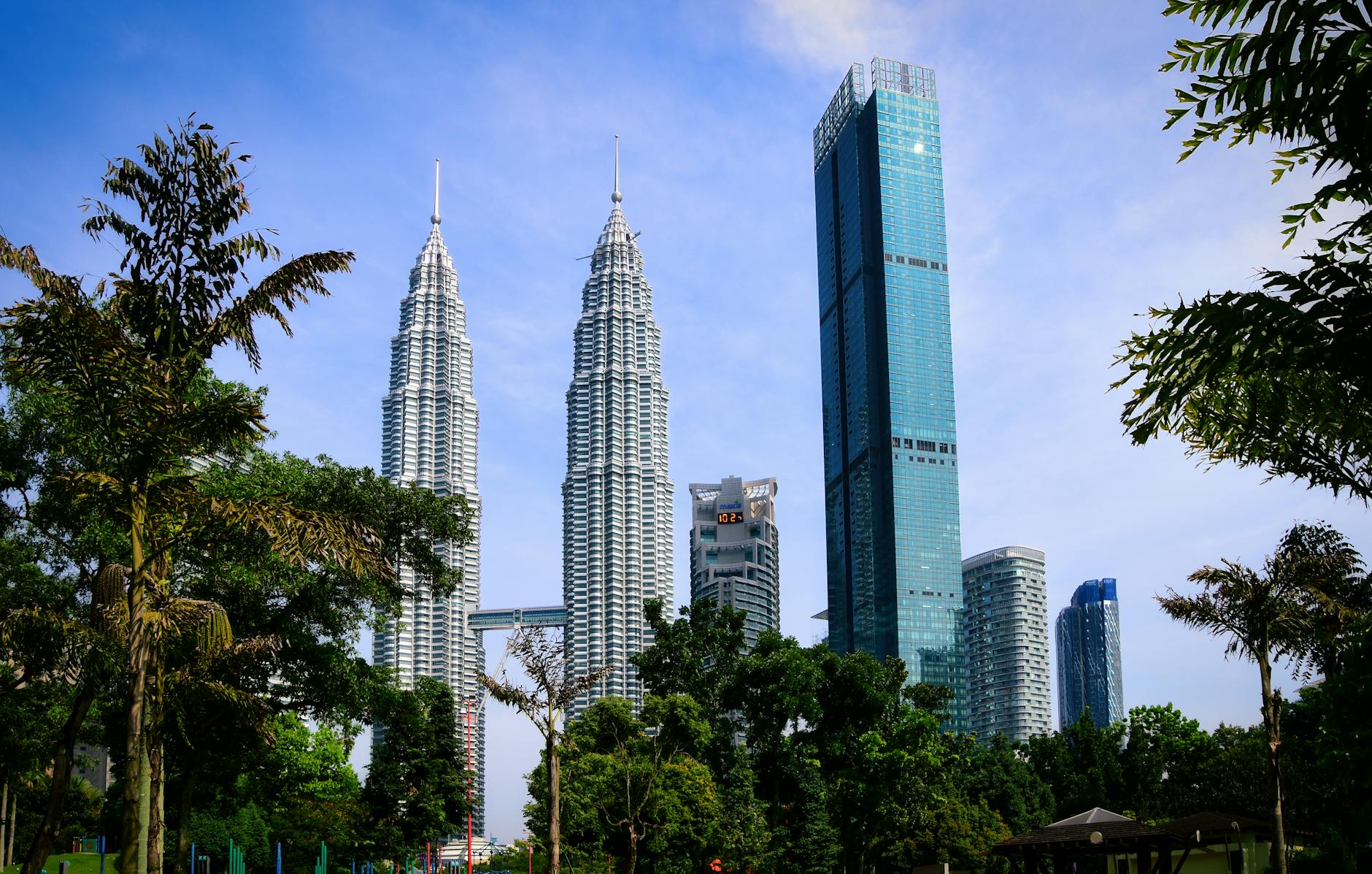
The Trump administration's appointment of conservative commentator Nick Adams as US Ambassador to Malaysia collapsed due to opposition from Malaysian political circles and civil society. Adams' pro-Israel statements and confrontational style proved incompatible with Malaysia's Muslim-majority political culture and widespread Palestinian solidarity.
The withdrawal of Nick Adams as the proposed US Ambassador to Malaysia represents a significant diplomatic miscalculation by the Trump administration and underscores deepening tensions between Washington and Kuala Lumpur over Middle East policy and cultural messaging. Adams, a prominent conservative commentator and Trump supporter, was dropped from consideration after his public statements on Israel and his self-branded “alpha male” positioning generated substantial opposition within Malaysian political circles and civil society. The episode reveals how domestic American political figures can inadvertently damage bilateral relationships when appointed to sensitive diplomatic posts without adequate vetting of their public statements and ideological positioning.
Malaysia occupies a critical position in Indo-Pacific strategy as a major Southeast Asian economy, a key player in ASEAN, and a nation controlling vital sea lanes including portions of the Strait of Malacca. The bilateral relationship encompasses defence cooperation, counterterrorism partnerships, and trade arrangements worth billions annually. The United States has maintained a consistent diplomatic presence in Kuala Lumpur as part of its broader Indo-Pacific engagement strategy, making ambassadorial appointments consequential decisions that signal Washington’s commitment to the relationship and its understanding of local political sensitivities.
Malaysia’s geopolitical position makes it particularly sensitive to perceptions of American foreign policy bias in the Middle East. As a Muslim-majority nation with a population exceeding 33 million, Malaysian public opinion and government policy are substantially influenced by regional developments affecting Muslim populations, particularly the Israeli-Palestinian conflict. Any US ambassador must navigate these sensitivities carefully, balancing American strategic interests with respect for Malaysia’s distinct political culture and public opinion landscape.
Nick Adams built his public profile as a vocal Trump supporter and conservative commentator, frequently employing combative rhetoric and nationalist framing in his media appearances and social media presence. His pro-Israel commentary, while mainstream within certain American conservative circles, proved incompatible with Malaysian political realities. In Malaysia, sympathy for the Palestinian cause enjoys broad support across political parties, civil society organisations, and the general public. This is not a fringe position but rather reflects mainstream Malaysian political consensus shaped by historical anti-colonial sentiment, Islamic solidarity, and long-standing Malaysian foreign policy principles emphasising non-alignment and support for self-determination movements.
Adams’ “alpha male” branding and confrontational communication style—effective in American domestic political contexts—translated poorly into a diplomatic context requiring subtlety, cultural awareness, and restraint. Malaysian political culture, while competitive, typically values diplomatic decorum and measured public rhetoric, particularly from foreign representatives. The contrast between Adams’ public persona and the behavioural expectations for US ambassadors created an immediate credibility problem before he could even begin his posting.
Malaysian civil society, parliamentary opposition figures, and even government-aligned commentators mobilised against Adams’ appointment following media reports of his selection. This opposition reflected not merely partisan disagreement but genuine concern that an ambassador with his stated positions would damage the bilateral relationship and prove unable to serve as an effective diplomatic bridge. Malaysian political parties across the spectrum—from the ruling coalition to opposition groups—expressed reservations, suggesting the opposition transcended typical partisan lines.
The Malaysian government’s response indicated that Kuala Lumpur was prepared to make clear that certain ambassadorial appointments would face insurmountable obstacles. Rather than formally rejecting the nomination through official channels, Malaysia allowed domestic political pressure to mount, creating an environment where the Trump administration faced the choice of either defending an increasingly controversial appointment or withdrawing it to preserve the broader bilateral relationship. The administration chose withdrawal, suggesting that even a Trump-era State Department recognised the costs of pursuing a nomination that had become a focal point for Malaysian nationalism and religious sentiment.
The Adams episode illustrates a recurring challenge for American administrations: the assumption that prominent domestic political figures can transition seamlessly into diplomatic roles without substantial adjustment of their public personas and political messaging. Ambassadorships require individuals capable of representing American interests while respecting host nation sensitivities and building credibility across diverse political constituencies. Public figures whose primary qualification is loyalty to a particular American political leader or movement may lack the diplomatic skills and cultural awareness necessary for effective ambassadorial work.
For the Trump administration specifically, this setback suggests limits to its ability to staff overseas posts with ideological loyalists without friction from host governments. Malaysia’s willingness to signal displeasure over Adams’ appointment demonstrated that even relatively aligned nations will defend their political autonomy and public opinion constraints when US diplomatic appointments touch on sensitive domestic issues. The incident also reinforces that Middle East policy—particularly regarding Israel and Palestine—remains a defining issue in Muslim-majority nations’ assessments of American diplomatic representatives.
The withdrawal of Adams’ nomination creates an opportunity for the US to make a more strategically appropriate ambassadorial selection—one that can credibly represent American interests while demonstrating respect for Malaysian political culture and public opinion. The next ambassador will inherit a relationship that requires careful management, given the accumulated friction over Middle East policy messaging and the demonstrated sensitivity of Malaysian audiences to perceived American bias.
For ANSPI’s analytical purposes, this episode underscores that Indo-Pacific diplomacy cannot be conducted through ideological proxies or domestic political loyalists alone. Effective American engagement in Southeast Asia requires ambassadors with diplomatic experience, cultural competence, and ability to maintain relationships across political divides. Malaysia’s response also signals that ASEAN nations, while generally aligned with US strategic interests in the region, will not accept ambassadorial appointments that disrespect their domestic political values or religious constituencies. The US must calibrate its diplomatic personnel selections accordingly if it wishes to maintain credible engagement throughout Southeast Asia and the broader Indo-Pacific region.