Physical Address
304 North Cardinal St.
Dorchester Center, MA 02124
Physical Address
304 North Cardinal St.
Dorchester Center, MA 02124

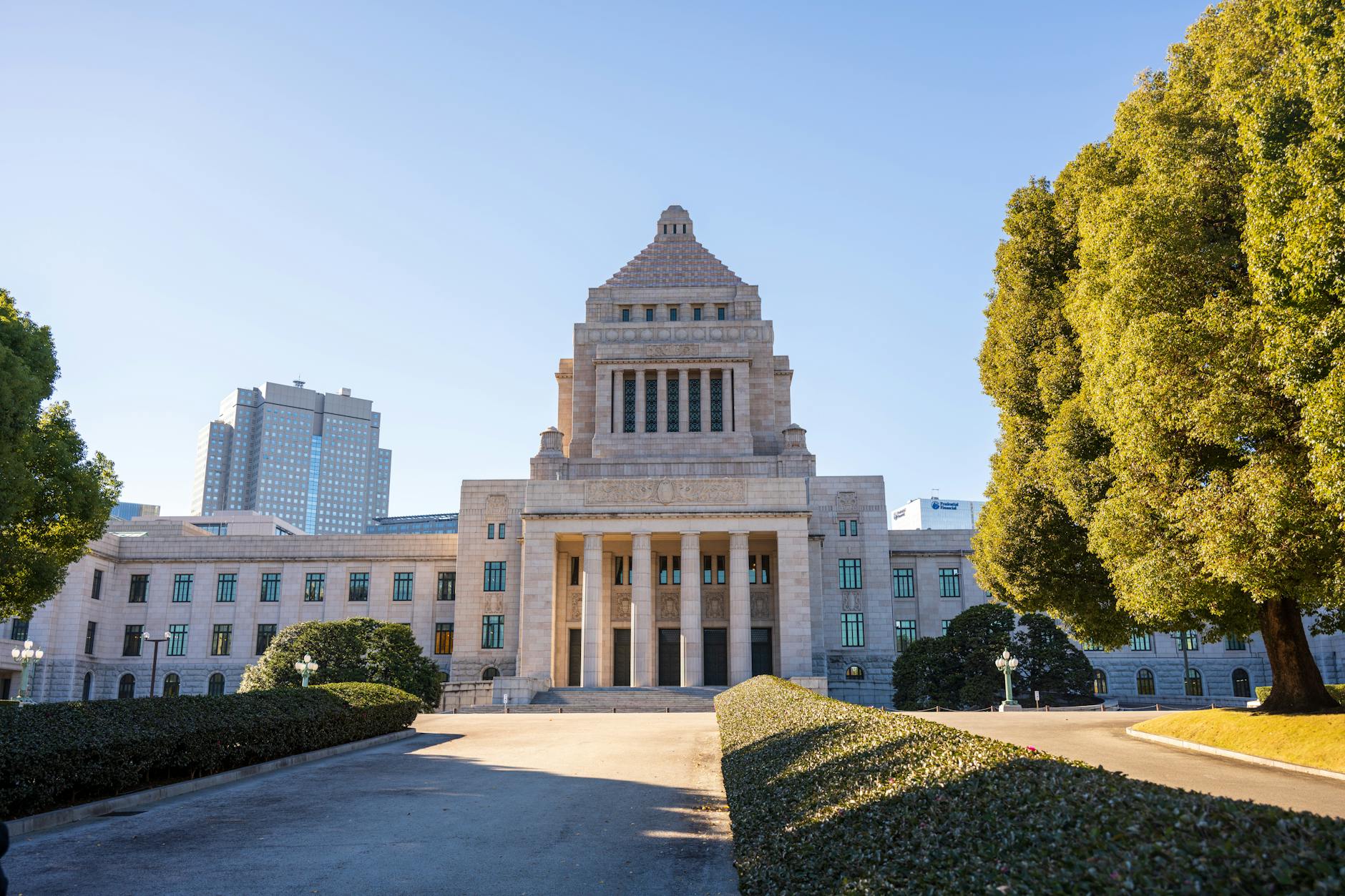
Team Mirai's capture of 11 lower house seats in 2025 signals a significant political realignment in Japan, fragmenting the LDP-led ruling coalition and introducing new variables into Tokyo's Indo-Pacific strategy during a period of heightened regional tensions.
Japan’s political system experienced a significant structural shift in 2025 with the emergence of Team Mirai, a newly formed political party that secured 11 seats in the lower house of the Diet. This development signals a broader realignment in Japanese politics, challenging the long-standing dominance of the Liberal Democratic Party (LDP) and its coalition partners. The rise of Team Mirai, founded in May 2025, represents more than a marginal electoral outcome—it reflects deepening fractures within Japan’s post-war political consensus and growing voter appetite for alternatives to traditional power structures.
Team Mirai’s founding in May 2025 occurred within a specific political context of mounting public dissatisfaction with incumbent governance. The party’s ability to capture 11 lower house seats demonstrates that Japanese voters are willing to support new entrants when existing parties fail to address contemporary concerns. This outcome is particularly significant given Japan’s electoral system, which traditionally favors established parties with deep organizational networks and funding advantages.
The party’s name—”Mirai” (未来), meaning “future” in Japanese—reflects a deliberate strategic positioning as a forward-looking alternative to the establishment consensus. This branding strategy targets voters, particularly younger demographics and urban professionals, who perceive the LDP-led coalition as resistant to necessary structural reforms. The 11-seat outcome, while not commanding, provides Team Mirai with parliamentary representation sufficient to influence legislative proceedings and establish itself as a persistent political force rather than a fleeting protest movement.
The LDP has governed Japan continuously (with brief exceptions) since 1955, maintaining a dominant position through patron-client networks, corporate support, and bureaucratic alignment. Team Mirai’s parliamentary entry complicates this hegemonic arrangement by fragmenting the opposition and creating new legislative dynamics. With 11 seats, Team Mirai occupies a position between the weakened traditional opposition and the LDP majority, potentially serving as a kingmaker in close legislative votes or as a platform for coalition-building.
The emergence of Team Mirai also reflects the broader erosion of the LDP’s electoral base. Japan’s demographic decline, economic stagnation in certain sectors, and generational shifts in political preferences have created space for new parties. The LDP’s coalition partner, Komeito (the Buddhist-affiliated Clean Government Party), has similarly faced electoral pressure. Team Mirai’s breakthrough suggests that Japanese voters are willing to abandon traditional loyalty patterns if new parties credibly address policy gaps the establishment ignores.
While the source material provides limited detail on Team Mirai’s specific policy platform, the party’s electoral success indicates resonance with voter concerns that the LDP-Komeito coalition has inadequately addressed. Japanese politics in 2025 centered on several persistent issues: economic revitalization beyond monetary policy, regional security amid rising Chinese assertiveness, demographic crisis management, and generational equity in social security systems.
Team Mirai’s 11-seat result suggests the party attracted voters across multiple constituencies, indicating either geographic dispersion or concentration in specific urban centers where anti-establishment sentiment runs strongest. The party’s ability to translate its May 2025 founding into parliamentary representation within months demonstrates effective campaign organization and messaging resonance. This efficiency contrasts with previous new party attempts in Japan, many of which failed to establish durable electoral bases.
Japan’s domestic political realignment carries implications for Indo-Pacific strategy and regional security architecture. The LDP has traditionally anchored Japan’s security policy around the US-Japan alliance, constitutional reinterpretation to enable greater military capability, and strategic balancing against China. Team Mirai’s emergence introduces uncertainty regarding policy continuity on these critical issues.
New political parties in Japan often campaign on themes of political reform and anti-corruption, but their foreign policy positions vary considerably. Team Mirai’s specific stance on Japan’s defense spending trajectory, the scope of security cooperation with Australia and other Quad partners, and approaches to China relations remain to be clarified. If the party grows beyond its initial 11 seats, it could influence Japan’s regional strategy either by shifting the LDP’s policy emphasis or by forcing coalition negotiations that reshape security commitments.
The timing of Team Mirai’s emergence—during a period of heightened regional tensions involving Taiwan, the South China Sea, and North Korea’s weapons development—adds strategic weight to what might otherwise appear as domestic political churning. Japan’s ability to maintain policy coherence and alliance reliability amid domestic political fragmentation concerns regional partners, particularly Australia, which coordinates closely with Tokyo on Indo-Pacific security architecture.
Team Mirai’s 11-seat breakthrough establishes a parliamentary foothold, but the party faces the critical challenge of institutionalization—converting initial electoral success into durable political organization. Japanese history demonstrates that new parties frequently experience rapid decline after initial gains, as voter enthusiasm wanes and organizational capacity proves inadequate. The Democratic Party of Japan (DPJ), which defeated the LDP in 2009, exemplifies this pattern, eventually collapsing into factional disputes and returning to opposition irrelevance.
For Team Mirai to achieve sustained influence, the party must accomplish several objectives: consolidate its voter base through effective parliamentary performance, develop policy expertise across multiple issue areas, secure stable funding sources independent of corporate patronage networks dominated by LDP affiliates, and establish local organizational structures necessary for competitive electoral performance in subsequent elections.
Japan’s political realignment, signaled by Team Mirai’s emergence, reflects long-term structural changes in Japanese society and voter preferences rather than temporary protest voting. The fragmentation of the ruling coalition creates opportunities for policy innovation but also risks instability in Japan’s security commitments during a period when regional partners require reliable, consistent Japanese strategic engagement. The next electoral cycle will determine whether Team Mirai matures into a permanent feature of Japanese politics or reverts to the pattern of ephemeral new party movements that characterize modern Japanese political history.