Physical Address
304 North Cardinal St.
Dorchester Center, MA 02124
Physical Address
304 North Cardinal St.
Dorchester Center, MA 02124
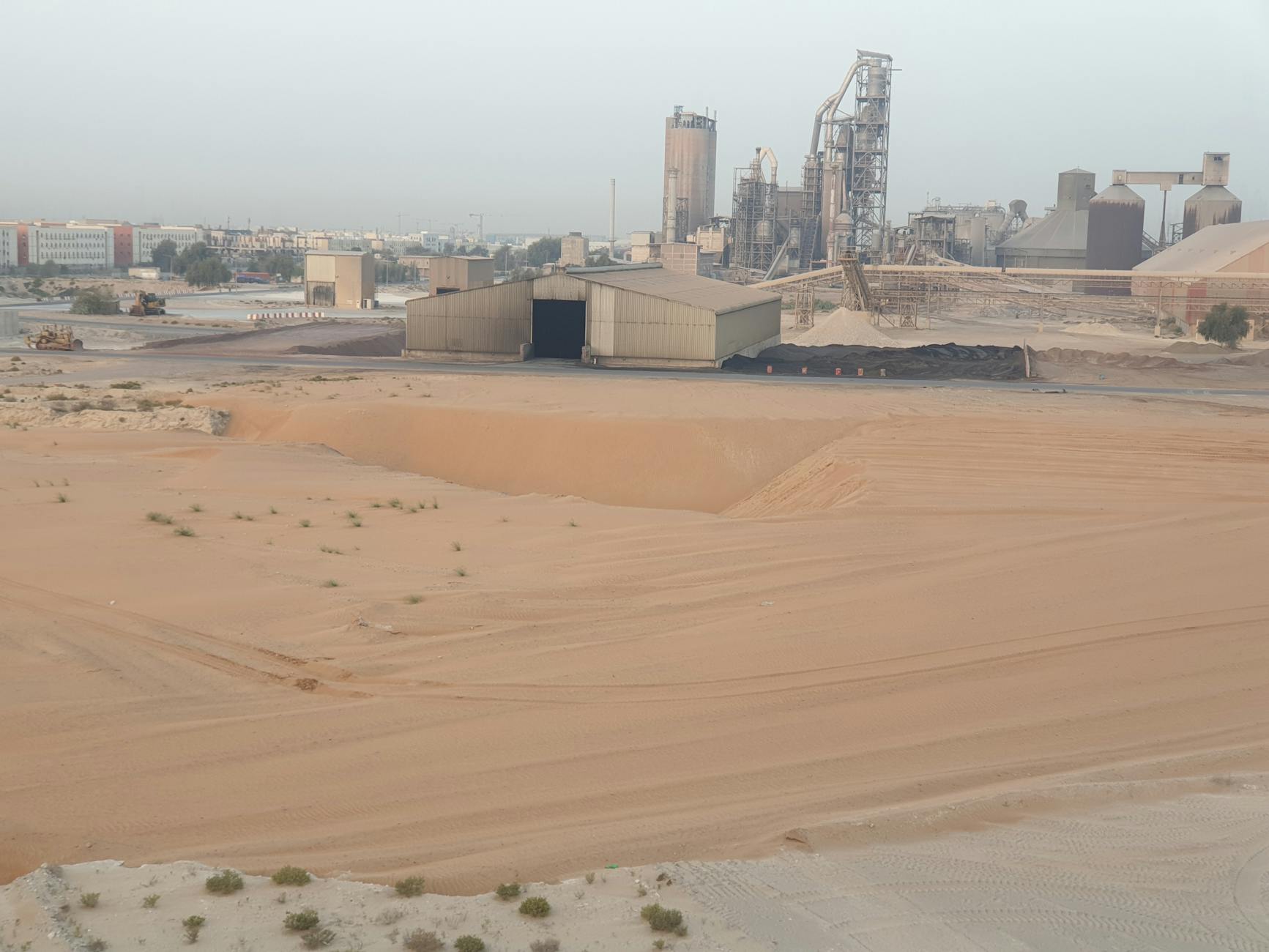
Vietnam is pursuing a self-reliant critical minerals strategy that prioritises domestic processing capacity and regional partnerships over alignment with U.S.-led supply chain coalitions. This approach reflects Hanoi's broader commitment to strategic autonomy in great power competition.
Vietnam’s position within the Indo-Pacific critical minerals landscape reflects a deliberate strategic choice to reduce dependency on any single external power while maintaining pragmatic engagement with multiple partners. Rather than aligning exclusively with Washington-led coalitions or Beijing’s supply chain networks, Hanoi is pursuing a nationalist approach to mineral resource development and processing that prioritises domestic capacity and regional partnerships. This strategy carries significant implications for global supply chain resilience, technological competition, and the balance of power in Southeast Asia.
The critical minerals sector has become central to great power competition in the Indo-Pacific. Control over rare earth elements, lithium, cobalt, and other essential materials directly determines technological superiority in defence systems, renewable energy infrastructure, and advanced electronics. Vietnam’s geographic position, modest but meaningful mineral endowments, and growing processing capabilities position it as a secondary but strategically important player in this competition—one that refuses to be subordinated to either the United States or China.
Vietnam holds proven reserves of bauxite, tin, tungsten, and rare earth elements, though these are not globally dominant. More significantly, the country has developed substantial mineral processing infrastructure, particularly in rare earth refining and processing. This processing capacity, rather than raw mineral extraction alone, constitutes Vietnam’s genuine strategic asset. Vietnamese refineries process minerals sourced from across the region and beyond, creating value-added production that attracts foreign investment and generates export revenue.
The government has invested in upgrading processing facilities and developing downstream industries linked to critical minerals. This vertical integration strategy—moving from raw materials toward finished components and manufactured goods—reflects a sophisticated understanding that raw mineral extraction alone provides limited economic benefit. By controlling processing, Vietnam captures greater value and reduces reliance on external refiners, particularly those controlled by China, which currently dominates global rare earth processing.
The Biden administration has pursued an explicit strategy of building coalitions around critical minerals supply chains, including the Minerals Security Partnership (MSP) launched in 2022 and the Critical Minerals Resilience Initiative. These frameworks aim to coordinate resource development, processing, and trade among allied nations while reducing dependence on Chinese processing dominance. Australia, Canada, Indonesia, and other Indo-Pacific nations have engaged with these initiatives.
Vietnam’s approach differs fundamentally. While maintaining dialogue with Washington on economic and security matters, Hanoi has not subordinated its mineral strategy to U.S.-led frameworks. Instead, Vietnamese policymakers have pursued bilateral arrangements with individual suppliers and processors, diversified sourcing relationships, and domestic capacity development. This reflects both historical experience with great power alignment costs and a realistic assessment of Vietnam’s leverage: large enough to matter, but not large enough to dominate negotiations within Western coalitions.
This self-reliance strategy carries practical advantages. Vietnam avoids the political constraints that coalition membership might impose—such as restrictions on Chinese investment or pressure to adopt specific processing standards. Simultaneously, it maintains relationships with Chinese companies and Southeast Asian neighbours who are themselves cautious about Western coalition membership. The strategy reflects Vietnam’s broader foreign policy orientation: balancing major power relationships rather than choosing sides.
Vietnam’s mineral strategy operates within the ASEAN context, where critical minerals development is unevenly distributed. Indonesia possesses the world’s largest nickel reserves and significant tin and bauxite deposits. The Philippines holds substantial copper and nickel resources. Myanmar has rare earth deposits. Thailand and Laos have tin and other minerals. This regional resource distribution creates opportunities for intra-ASEAN supply chain development that could reduce dependence on non-regional actors.
Vietnam is positioning itself as a regional processing and refining hub, potentially importing raw materials from neighbouring countries and exporting processed products. This approach requires stable relationships across ASEAN, technical cooperation on processing standards, and investment in infrastructure. The strategy also aligns with ASEAN’s stated commitment to regional autonomy and reduced external dependence, though this commitment remains inconsistent across member states.
A critical dimension of Vietnam’s self-reliance strategy involves acquiring and developing processing technology without excessive foreign control. This requires investment in technical education, research and development partnerships with universities and technical institutes, and selective technology transfer agreements with foreign companies. Vietnamese state-owned enterprises (SOEs) in the mining and processing sector have pursued joint ventures with international firms, extracting technological knowledge while maintaining domestic ownership and control.
This approach mirrors strategies employed by South Korea and Taiwan during their industrialisation phases: accepting foreign investment and partnerships while ensuring domestic firms absorb technology and build independent capabilities. Vietnam’s success in electronics manufacturing and assembly has created a skilled workforce and industrial base that can support advanced mineral processing. The government views critical minerals processing as a natural extension of existing manufacturing strength.
Vietnam’s self-reliance strategy contains inherent vulnerabilities. The country lacks the mineral wealth of Indonesia or Australia, meaning it cannot achieve complete independence in critical minerals. Domestic processing relies on imported raw materials, creating supply chain dependencies. The strategy assumes Vietnam can maintain sufficient political autonomy to resist pressure from both Washington and Beijing—an assumption tested repeatedly in Vietnamese history.
Additionally, environmental and labour standards in Vietnamese mineral processing facilities remain below Western benchmarks, potentially creating reputational risks and limiting market access to environmentally conscious consumers and companies. The government faces pressure to upgrade standards while maintaining cost competitiveness against Chinese processors.
The strategy also depends on continued access to regional mineral supplies. Any disruption to Indonesian nickel exports, Philippine copper production, or Laotian tin supplies would directly affect Vietnamese processing capacity. Regional instability, whether from the South China Sea disputes or intra-ASEAN tensions, could disrupt these supply relationships.
Vietnam’s critical minerals strategy represents a rational choice given the country’s position: too important to ignore by major powers, but insufficiently powerful to dominate regional or global supply chains. The self-reliance doctrine allows Hanoi to maintain strategic autonomy while participating in global supply chains on terms it helps shape rather than accepts passively.
This strategy will likely persist because it serves Vietnam’s core interests: economic development, technological advancement, and political independence. It avoids the costs of exclusive alignment with either the United States or China while positioning Vietnam as a valuable partner for both. For the broader Indo-Pacific region, Vietnam’s approach suggests that not all states will accept coalition-based frameworks for critical minerals management. Instead, some will pursue hybrid strategies combining selective partnership with independent capacity development.
The success of Vietnam’s model will ultimately depend on three factors: sustained investment in processing technology and infrastructure, maintenance of stable regional supply relationships within ASEAN, and the country’s ability to navigate great power pressures without compromising strategic autonomy. If Vietnam achieves these objectives, it will establish itself as a consequential actor in critical minerals supply chains—not through dominance, but through strategic positioning and technical capability.