Physical Address
304 North Cardinal St.
Dorchester Center, MA 02124
Physical Address
304 North Cardinal St.
Dorchester Center, MA 02124

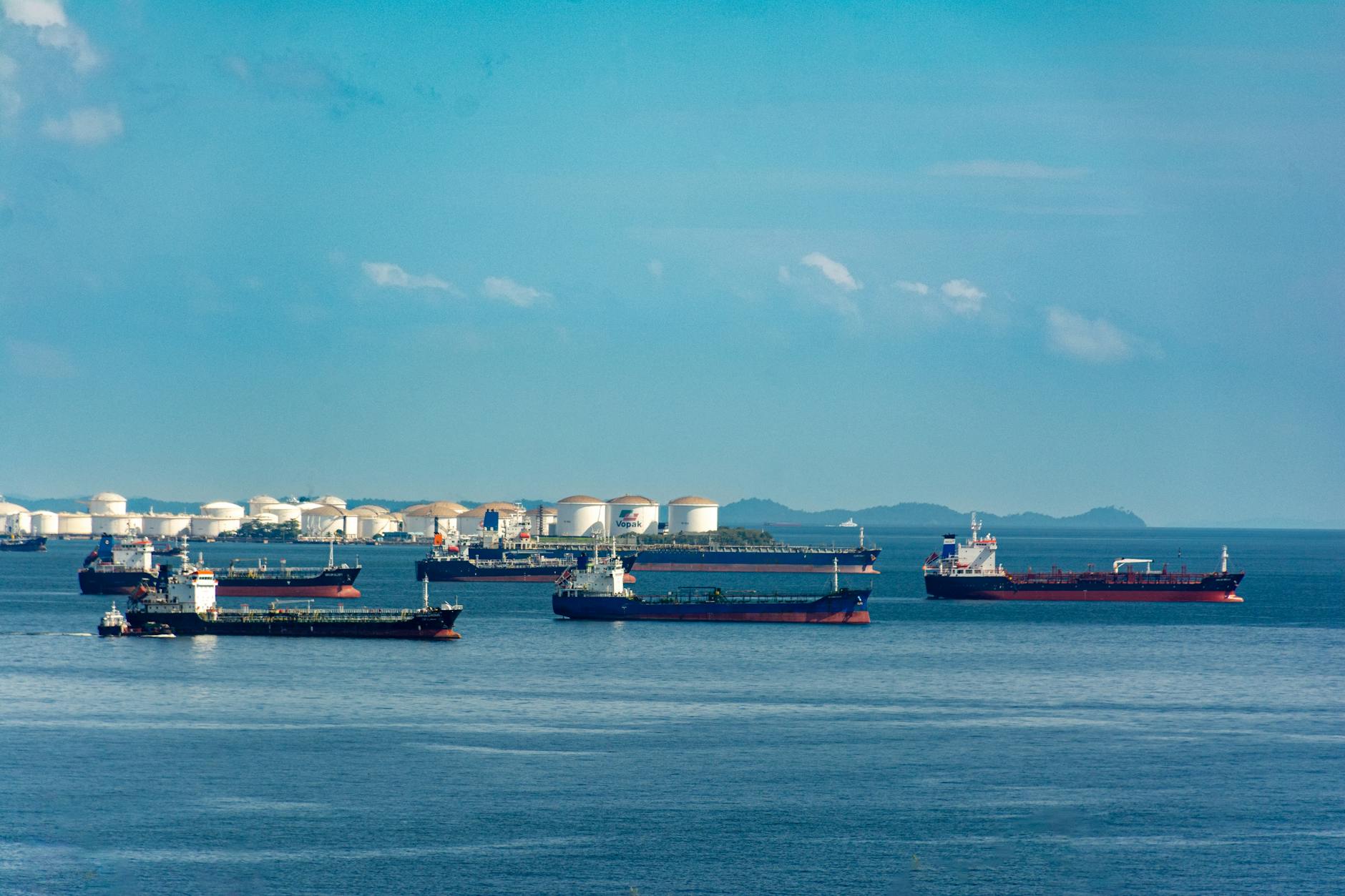
India imports 85% of its crude oil, leaving it acutely vulnerable to West Asian instability. With limited domestic reserves, concentrated Gulf supply sources, and inadequate strategic petroleum reserves, India faces mounting energy security challenges requiring urgent diversification and domestic production strategies.
India’s energy security architecture rests on a precarious foundation. With proven crude oil reserves of approximately 5.7 billion barrels—sufficient for only 20 years at current consumption rates—and domestic production capacity capped at roughly 600,000 barrels per day against a national demand exceeding 5 million barrels daily, India imports approximately 85 percent of its crude oil requirements. This structural dependency creates acute strategic exposure, particularly as geopolitical tensions in the Middle East threaten to disrupt global supply chains and elevate energy costs across Asia’s third-largest economy.
The mathematics of India’s energy deficit are unforgiving. Current domestic production from fields in the Arabian Sea and onshore reserves in Assam and Gujarat cannot meaningfully close the supply gap. Consequently, India’s economy—projected to grow at 6-7 percent annually over the coming decade—faces mounting pressure from volatile energy markets. Any sustained disruption to Gulf oil flows would immediately cascade through India’s manufacturing sector, transportation networks, and power generation infrastructure, with particular consequences for inflation and fiscal stability.
India’s oil import portfolio is heavily concentrated in Gulf suppliers, with approximately 60 percent of crude imports originating from Iraq, Saudi Arabia, and the United Arab Emirates. This geographic concentration amplifies vulnerability to regional instability. The Strait of Hormuz, through which roughly 21 percent of global petroleum passes, remains the critical chokepoint for Indian energy flows. Any escalation in West Asian tensions—whether through direct military action, proxy conflicts, or blockade threats—creates immediate supply shock risks.
Historical precedent demonstrates this vulnerability acutely. During the 1973 Arab-Israeli War, OPEC oil embargoes created global energy crises. More recently, the 2022 disruptions following Russia’s invasion of Ukraine and subsequent sanctions demonstrated how regional conflicts rapidly translate into global price spikes. India, lacking the strategic petroleum reserves of developed economies and facing competing demands on foreign exchange, absorbs these price shocks with limited mitigation capacity.
India’s Ministry of Petroleum and Natural Gas has pursued diversification strategies with modest success. Imports from Russia increased substantially following Western sanctions in 2022, with Russian crude now comprising approximately 20 percent of India’s oil imports—up from near-zero levels pre-2022. Simultaneously, India has negotiated long-term supply agreements with suppliers including Angola, Brazil, and Kazakhstan, seeking to reduce Gulf concentration.
However, these diversification efforts face structural constraints. Russian supplies, while economically advantageous due to discounted pricing, depend on sustained sanctions pressure that may not persist indefinitely. Alternative suppliers lack the production capacity for major supply increases, and developing new supply relationships requires years of infrastructure investment and diplomatic negotiation. African and Latin American producers face their own production challenges and competing demand from China and Europe. Kazakhstan’s landlocked position necessitates costly pipeline infrastructure through Russia or Caspian Sea transit routes.
India’s government has promoted aggressive domestic exploration and production targets, with initiatives including the Hydrocarbon Exploration and Licensing Policy (HELP) and Production Sharing Contracts (PSCs) designed to attract private investment. Major projects including deepwater fields in the Arabian Sea offer expansion potential, but capital requirements are substantial and production timelines extend across 7-10 year development cycles.
The Oil and Natural Gas Corporation (ONGC), India’s state-controlled producer, faces operational challenges including aging infrastructure in mature fields and technical difficulties in deepwater development. Private sector participation remains limited by regulatory uncertainty and the long-term economics of oil production given global energy transition pressures. Even optimistic scenarios suggest domestic production increases of only 200,000-300,000 barrels daily by 2030—insufficient to materially alter India’s import dependency.
India maintains strategic petroleum reserves (SPRs) with a combined capacity of approximately 5.33 million barrels across facilities at Visakhapatnam, Mangalore, and Padur. These reserves provide roughly 9-10 days of import cover—substantially below the 90-day minimum recommended by the International Energy Agency (IEA). This limited buffer means India cannot sustain supply disruptions exceeding 1-2 weeks without severe economic consequences.
The government has announced expansion plans targeting 15 million barrels total capacity by 2030, but capital constraints and storage infrastructure development timelines mean these expansions will materialize gradually. In a major supply disruption scenario—such as sustained Strait of Hormuz closure—India’s SPR would provide only marginal mitigation before prices spike and rationing pressures emerge.
India’s renewable energy expansion, while substantial, offers limited near-term relief from oil dependency. Current renewable capacity of approximately 200 GW addresses electricity generation but cannot substitute for petroleum in transportation, petrochemicals, and industrial heat applications. Transportation electrification targets, though ambitious, face infrastructure and affordability constraints that will require 15-20 years to meaningfully reduce oil demand.
This temporal mismatch creates a critical policy challenge: India requires secure oil supplies for the next 1-2 decades while energy transition mechanisms mature. Short-term geopolitical solutions cannot wait for long-term structural energy shifts.
India’s energy security framework faces a fundamental tension between structural import dependency and heightened regional instability risks. Diversification of suppliers, while necessary, cannot eliminate Gulf reliance within any realistic timeframe. Domestic production expansion offers marginal benefits across relevant planning horizons. Strategic petroleum reserves remain inadequate for major disruption scenarios.
The most substantive policy responses involve diplomatic engagement in West Asian stability mechanisms, deepening energy partnerships with non-Gulf suppliers including Russia and Central Asian producers, accelerating strategic reserve expansion despite fiscal constraints, and advancing transportation electrification and renewable energy deployment to reduce long-term oil demand growth rates. Simultaneously, India must prepare contingency frameworks for supply disruption scenarios, including demand rationing protocols and fuel substitution mechanisms.
India’s energy security cannot be decoupled from its broader Indo-Pacific strategy. Secure maritime corridors through the Indian Ocean and Strait of Malacca, freedom of navigation capabilities, and strategic partnerships with maritime powers including Australia and Japan directly support energy supply chain resilience. As West Asian instability potentially persists, India’s capacity to manage energy vulnerability will significantly influence its economic trajectory and regional strategic positioning across the coming decade.