Physical Address
304 North Cardinal St.
Dorchester Center, MA 02124
Physical Address
304 North Cardinal St.
Dorchester Center, MA 02124

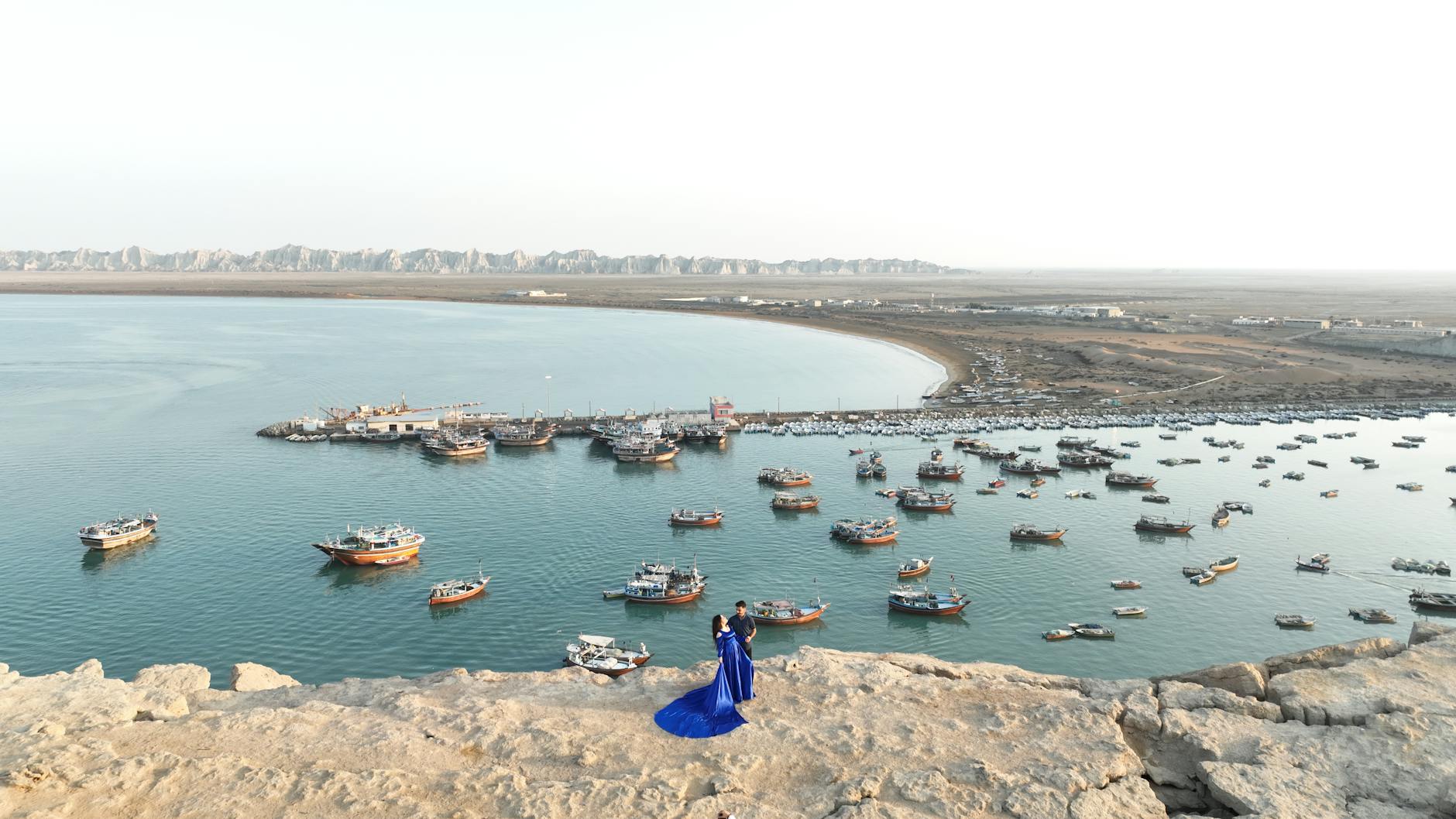
Central Asia's growing dependence on Iranian transit routes for maritime trade creates acute geopolitical vulnerability. Regional conflict or sanctions escalation could force landlocked states back onto costlier alternatives, reversing a decade of economic diversification.
Central Asia’s landlocked geography has long constrained its economic development and regional integration. Kazakhstan, Uzbekistan, Turkmenistan, Kyrgyzstan, and Tajikistan collectively account for over 70 million people and significant energy and mineral resources, yet their inability to access maritime trade independently has forced reliance on circuitous logistics networks through Russia or China. Over the past decade, Iranian transit corridors have emerged as a strategically viable alternative, offering shorter shipping distances to global markets via the Persian Gulf and Arabian Sea.
Iran’s geographic position as the southern gateway to Central Asia is not incidental—it reflects a fundamental reality of regional infrastructure. The Chabahar Port development, backed by Indian investment and Chinese interest, has specifically targeted Central Asian trade as a growth vector. For Kazakhstan and Uzbekistan in particular, Iranian routes reduce transit times by 30-40 percent compared to northern alternatives and provide independence from Russian-controlled transportation networks that have historically been used as political leverage.
Central Asian states have invested significantly in developing Iranian transit relationships. The volume of goods moving through Iranian ports and road corridors has grown incrementally, with Uzbekistan and Kazakhstan establishing dedicated freight agreements and transport corridors. This dependency, while economically rational in the short term, creates acute geopolitical vulnerability.
Any major disruption to Iranian stability—whether through internal conflict, international military intervention, or sanctions escalation—would immediately sever Central Asia’s most efficient maritime access. Unlike established routes through Russia or China, which benefit from decades of institutional development and redundancy, Iranian corridors remain relatively nascent and lack alternative routing mechanisms. A regional conflict scenario would force Central Asian trade back onto longer, more expensive northern routes, effectively reversing a decade of diversification efforts.
Kazakhstan’s oil and mineral exports, which increasingly target Asian and Middle Eastern markets, would face significant cost increases. Uzbekistan’s cotton and agricultural products, marketed toward South Asian buyers, would lose competitive pricing advantages. The cumulative effect would reduce Central Asian export competitiveness by an estimated 15-25 percent, depending on commodity type and destination market. For smaller economies like Kyrgyzstan and Tajikistan, which lack direct port access entirely, the impact would be even more severe.
Central Asian governments face a strategic dilemma with limited resolution pathways. Russia, which maintains substantial military and political influence across the region through the Collective Security Treaty Organization (CSTO), has competing interests regarding Iranian routes. Moscow benefits from Central Asian dependence on Russian transit infrastructure and views Iranian port development with strategic ambivalence. China, conversely, has invested heavily in Iranian port infrastructure and rail connectivity as part of its Belt and Road Initiative, creating overlapping but not identical interests with Beijing regarding regional stability.
The United States and its regional allies in the Gulf Cooperation Council states have pursued maximum pressure policies on Iran that explicitly target its economic connectivity and port infrastructure. These sanctions regimes, while not directly aimed at Central Asian trade, create collateral disruption effects. Central Asian officials have privately expressed concern that escalating U.S.-Iran tensions could inadvertently collapse the very transit corridors they have spent a decade developing.
Secondary sanctions imposed on entities facilitating Iranian trade have already created compliance uncertainty for Central Asian shipping companies and logistics firms. Several Kazakh transport operators have reportedly reduced Iranian route usage not because of direct sanctions exposure, but due to banking sector reluctance to process transactions with Iranian counterparts. This de facto financial isolation demonstrates how geopolitical tensions can disrupt trade flows without requiring direct military conflict.
Central Asian states have few viable alternatives to reduce their Iran dependency. Proposed corridor developments through the Caucasus (the Zangezur Corridor connecting Armenia and Azerbaijan) remain politically contested and incomplete. The International North-South Transport Corridor, linking Russia, Iran, and India, offers partial redundancy but ultimately depends on Iranian stability for its southern segment. Turkish routes via the Caspian Sea remain underdeveloped and subject to Russian control of sea access.
Diversification toward Chinese routes through Xinjiang has accelerated, but this strategy creates a different vulnerability—concentration of dependency on a single power. Central Asian policymakers recognize that over-reliance on Chinese logistics networks may simply substitute one geopolitical risk for another.
Central Asia’s transit route diversification, while economically sound, has created a new strategic vulnerability rather than resolved existing ones. The region remains trapped between competing great power interests, with Iranian stability functioning as a critical but fragile component of its economic strategy.
For Australian and regional policymakers, this dynamic carries three implications. First, any major disruption to Iranian stability should be assessed not only for direct Middle Eastern consequences but for secondary impacts on Central Asian economic performance and political stability. Second, Central Asian governments will likely seek alternative security partnerships and infrastructure investments if Iranian routes become unreliable—creating opportunities for Australia and other Indo-Pacific powers to develop competing connectivity solutions. Third, the vulnerability of Central Asian trade routes underscores the broader principle that landlocked regions require multiple, genuinely independent transit corridors to maintain economic resilience.
The next regional crisis in the Middle East may therefore generate unexpected consequences across Central Asia, reshaping trade flows, investment patterns, and geopolitical alignments in ways that extend far beyond Iran itself.