Physical Address
304 North Cardinal St.
Dorchester Center, MA 02124
Physical Address
304 North Cardinal St.
Dorchester Center, MA 02124

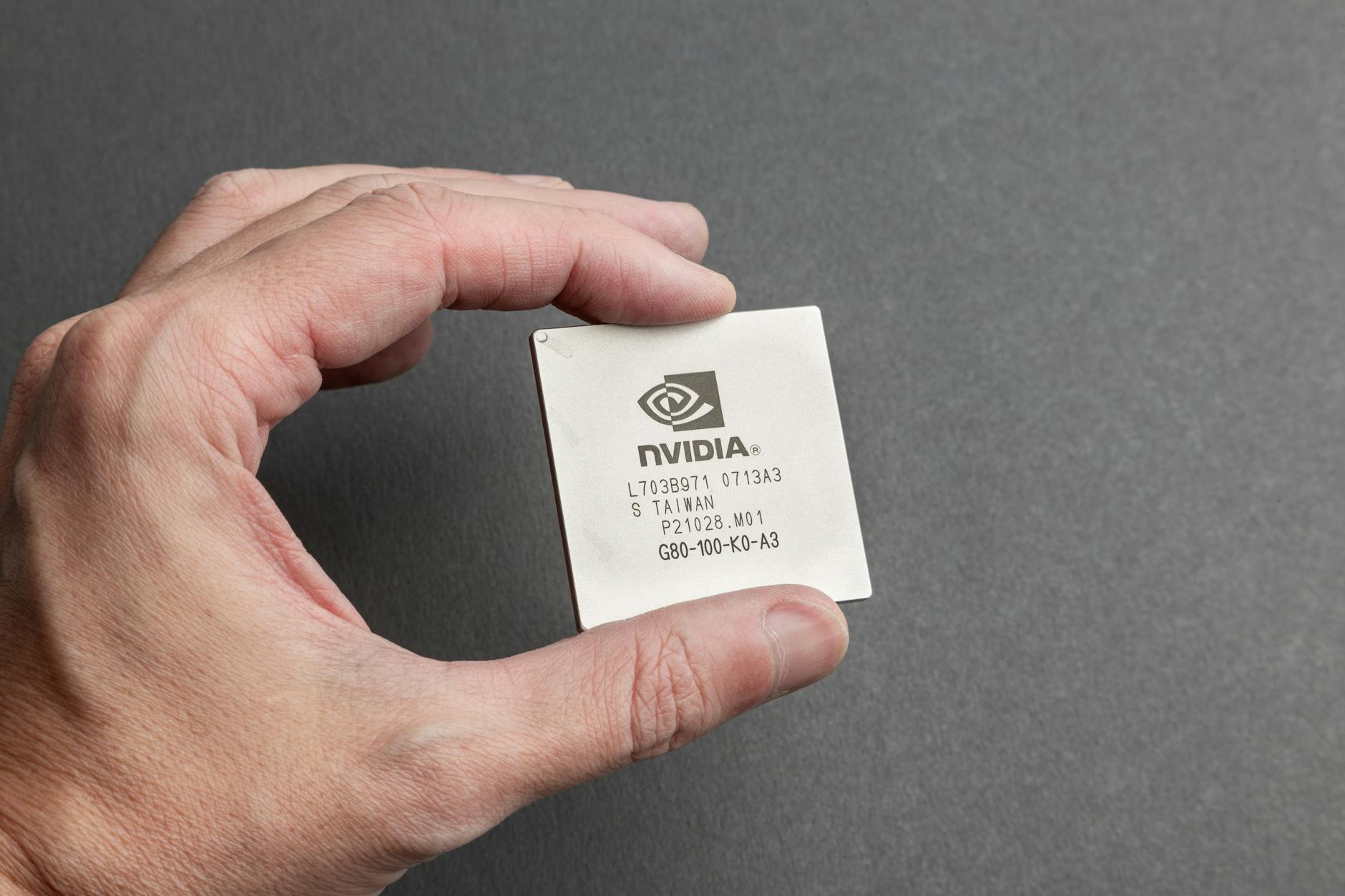
U.S. export controls on advanced semiconductors are constraining South Korea's technology sector while inadvertently accelerating China's domestic chip development. Seoul faces a strategic dilemma between alliance obligations and economic interests in a rapidly fragmenting global technology supply chain.
The United States’ escalating restrictions on advanced semiconductor exports, particularly targeting Nvidia’s artificial intelligence chips, have created an unintended strategic consequence across the Indo-Pacific region. South Korea’s semiconductor industry—historically positioned as a critical node in global technology supply chains—now faces significant constraints that threaten its competitive advantage in AI infrastructure development. Simultaneously, these restrictions are inadvertently creating space for China to accelerate its domestic semiconductor capabilities, fundamentally reshaping the geopolitical balance of technological power in Asia.
The Biden administration’s semiconductor export controls, implemented through the Commerce Department’s Bureau of Industry and Security, represent a deliberate effort to constrain China’s access to cutting-edge AI computing capabilities. The restrictions specifically target high-end GPUs and advanced processing units that form the computational backbone of large language models and other AI systems. However, the architecture of these controls—which limit foreign sales of certain Nvidia products and restrict the re-export of U.S. technology components—has created significant collateral effects for allied semiconductor manufacturers.
South Korea’s major semiconductor companies, including Samsung Electronics and SK Hynix, occupy a complex position within this regulatory framework. While these firms are not directly prohibited from selling to Chinese entities, they face uncertainty regarding which customers qualify as end-users versus intermediaries that might facilitate technology transfer. This regulatory ambiguity has dampened investment in advanced chip development facilities and slowed R&D initiatives that could have positioned Seoul as a primary alternative to American suppliers.
South Korea’s semiconductor sector has historically generated approximately 10% of the nation’s GDP and accounts for roughly one-third of global DRAM production. The country’s technological leadership in memory chips has been built on decades of capital-intensive manufacturing and continuous innovation. However, the export control regime introduces a strategic problem: South Korean chipmakers can no longer confidently serve certain high-value markets without navigating complex compliance requirements.
Samsung Electronics, under Vice Chairman Lee Jae-yong, has invested heavily in AI chip development and advanced foundry services. SK Hynix, led by CEO Park Jung-ho, similarly committed significant resources to next-generation memory technologies. Both companies now face delayed returns on these investments as export restrictions limit addressable markets. More critically, South Korean firms cannot serve as a reliable alternative supplier to Chinese customers seeking to circumvent American controls, which undermines their competitive positioning and reduces their leverage in global semiconductor negotiations.
The Korean government’s stated objective—maintaining Seoul’s position as a technological leader while respecting U.S. security interests—has become increasingly difficult to achieve. President Yoon Suk Yeol’s administration has attempted to balance alliance obligations with economic interests, but the export control regime forces a choice that ultimately constrains Seoul’s strategic autonomy.
Paradoxically, U.S. export restrictions have created powerful incentives for China to rapidly develop indigenous semiconductor capabilities. Beijing’s response has been multifaceted: increased state funding for domestic chip design and manufacturing, accelerated timelines for advanced fabrication facilities, and strategic partnerships with international suppliers in non-restricted jurisdictions.
Chinese companies including Huawei, through its Kirin chip division, and state-backed entities like the China Semiconductor Industry Association have intensified efforts to develop alternatives to restricted American and allied technologies. While Chinese-manufactured chips currently lag behind leading-edge Nvidia GPUs in raw performance, the performance gap is narrowing. Chinese AI researchers have demonstrated that optimized algorithms and architectural innovations can partially compensate for hardware limitations—a reality that undermines the original strategic rationale for export controls.
The timeline for Chinese semiconductor self-sufficiency has compressed significantly. Industry analysts assess that within 24-36 months, Chinese companies will produce chips capable of supporting enterprise-grade AI applications, even if they remain 1-2 technology generations behind American leaders. This trajectory suggests that export restrictions, rather than permanently constraining Chinese AI development, are primarily delaying it while imposing significant costs on allied economies.
The semiconductor export control regime is accelerating a broader geopolitical realignment in technology supply chains. South Korea, Taiwan, and Japan—traditional American allies in the technology sector—are increasingly evaluating their strategic positioning. The export controls effectively segment the global semiconductor market into restricted and unrestricted zones, creating incentives for companies in allied nations to develop dual capabilities or to shift investment toward markets where they face fewer regulatory constraints.
This dynamic has particular significance for Taiwan, which dominates advanced semiconductor manufacturing through Taiwan Semiconductor Manufacturing Company (TSMC) under Chairman Mark Liu. TSMC’s exposure to export control regulations has prompted the company to expand manufacturing capacity in the United States and to carefully manage customer relationships to ensure compliance. However, TSMC’s leadership has privately expressed concerns that excessive restrictions may ultimately drive Chinese customers toward developing alternative supply chains that bypass Taiwan entirely.
For South Korea specifically, the strategic implication is that Seoul cannot simultaneously maintain its role as a trusted U.S. technology partner and serve as a global semiconductor supplier without restrictions. This forces a choice between alliance solidarity and economic optimization—a choice that will likely shape South Korea’s broader technology policy and potentially its security alignment in the Indo-Pacific.
The current trajectory of U.S. semiconductor export controls suggests a strategy with diminishing returns. The restrictions have successfully delayed Chinese access to the most advanced chips, but they have not prevented Chinese progress toward technological self-sufficiency. More significantly, they have imposed substantial costs on allied economies without generating compensating security benefits.
South Korea faces a critical juncture. The country’s semiconductor industry requires access to global markets and unrestricted technological development to maintain its competitive position. Export controls that limit these capabilities without achieving their stated security objectives ultimately weaken the allied technology coalition that the United States seeks to maintain. Seoul’s government should pursue a more nuanced approach: closer coordination with Washington on genuine security concerns while advocating for export control architectures that do not unnecessarily constrain allied companies’ commercial operations.
For the broader Indo-Pacific region, the semiconductor export control regime demonstrates that technology competition cannot be managed through unilateral restrictions alone. A more sustainable approach would involve establishing clear, predictable rules for technology transfer; investing in allied semiconductor capabilities to create genuine alternatives to restricted American products; and recognizing that excessive restrictions may accelerate the very technological decoupling that policymakers seek to prevent. Without these adjustments, the current strategy risks fracturing the allied technology coalition while failing to achieve its primary objective of constraining Chinese AI development.