Physical Address
304 North Cardinal St.
Dorchester Center, MA 02124
Physical Address
304 North Cardinal St.
Dorchester Center, MA 02124

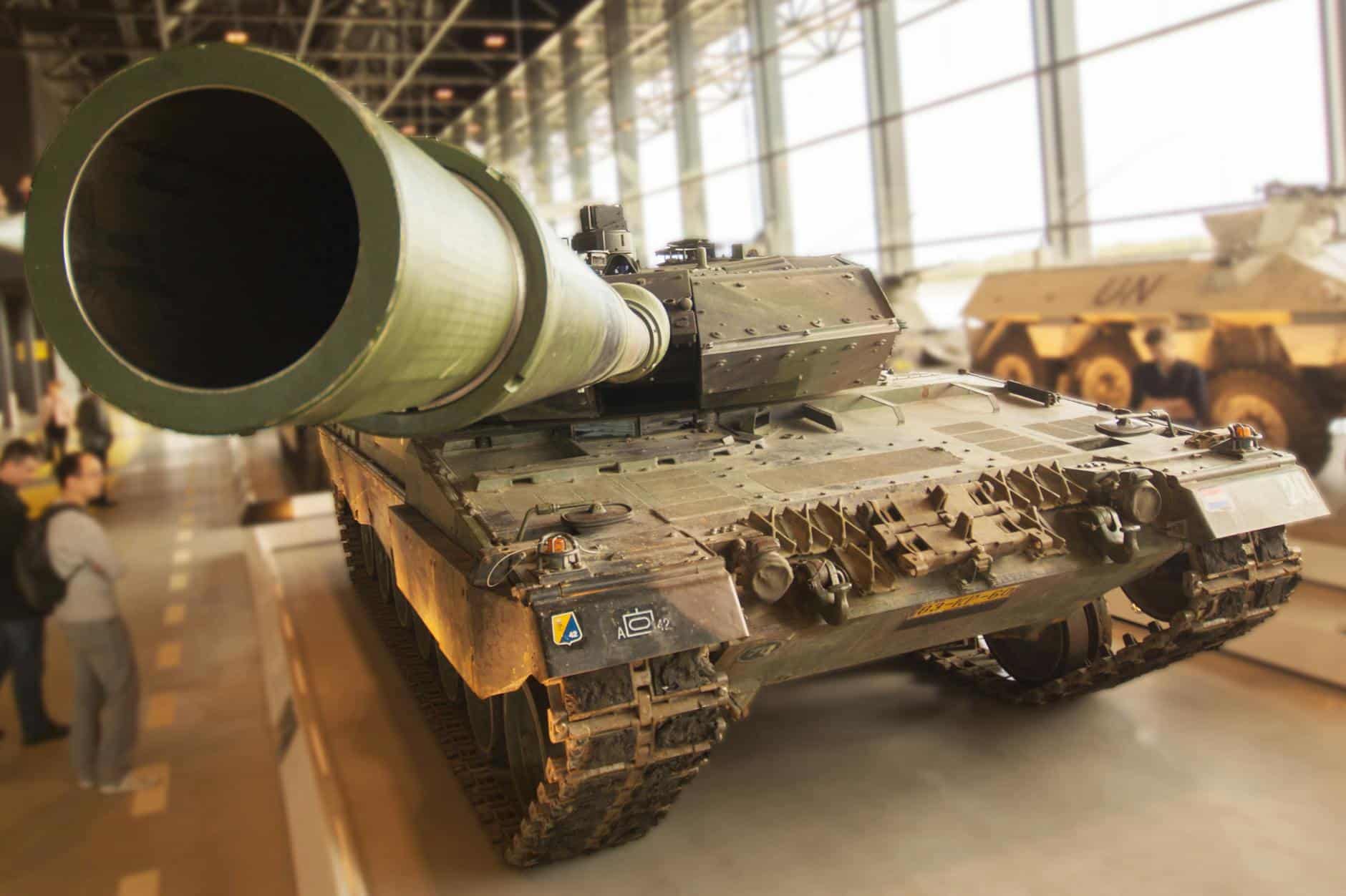
South Korea's rapidly expanding defence export sector has created a strategic vulnerability: weapons sold to legitimate state actors in the Middle East are being captured or transferred to Iranian-backed proxy forces in Yemen. This reveals critical gaps in Seoul's export control framework and threatens its standing as a responsible arms exporter.
South Korea’s defence manufacturing sector has experienced substantial growth over the past two decades, positioning the nation as a significant global supplier of military equipment. However, this expansion has consistently outpaced the government’s strategic capacity to manage the downstream consequences of weapons deployment in active conflict zones. The involvement of South Korean-manufactured systems in the Yemen conflict—where Iranian-backed Houthi forces operate—exemplifies a critical gap between Seoul’s export ambitions and its ability to anticipate or mitigate the geopolitical fallout from its weapons reaching non-state actors and regional proxy networks.
This strategic vulnerability reflects a broader pattern in South Korea’s defence export policy: the prioritization of commercial opportunity and industrial growth without commensurate institutional mechanisms for monitoring end-use compliance or assessing the political consequences of weapons proliferation across the Middle East and beyond.
The presence of South Korean defence systems in Yemen’s ongoing conflict reveals the indirect pathways through which weapons enter active war zones. While South Korea maintains formal export control regulations and participates in international non-proliferation frameworks, the Yemen case demonstrates that official sales to legitimate state actors—particularly Saudi Arabia and the United Arab Emirates—do not guarantee containment of those systems to their intended operators or theatres of operation.
The Houthi movement, designated as a terrorist organization by several Western nations and backed materially by Iran’s Islamic Revolutionary Guard Corps, has acquired or captured South Korean military technology during the conflict that began in 2014. This represents not merely a technical loss but a strategic liability: it validates Iranian claims of capability to operate advanced systems and provides operational intelligence to a non-state actor with demonstrated reach into regional and maritime domains.
For Seoul, the implications extend beyond the immediate tactical context. The involvement of South Korean systems in Houthi operations creates diplomatic complications with the United States, South Korea’s primary security guarantor, which views Iranian proxy expansion in the Arabian Peninsula as a direct threat to regional stability and maritime commerce. It also complicates South Korea’s stated commitment to rules-based international order and non-proliferation principles.
South Korea’s defence export control system operates under the Defence Trade Act, administered by the Defence Acquisition Program Administration (DAPA) and the Ministry of Trade, Industry and Energy. However, the regulatory framework contains significant blind spots regarding end-use monitoring and downstream proliferation risk assessment.
Three institutional weaknesses are evident:
This institutional fragmentation mirrors patterns observed in other advanced defence exporters, but it is particularly acute for South Korea given its geographic position between two major powers (China and Russia) and its dependence on the U.S.-led security architecture in Northeast Asia.
South Korea’s defence industry generates approximately $9 billion in annual exports, making it a significant component of the broader manufacturing economy. Companies such as Hyundai Rotem, Samsung Defense, and Hanwha Defense have lobbied aggressively for expanded export markets, particularly in the Middle East where wealthy Gulf states have substantial procurement budgets.
The government’s support for defence exports reflects both economic logic and strategic reasoning: the sector provides high-value manufacturing employment and generates foreign currency. However, this commercial orientation has created systematic bias toward approval of sales to wealthy purchasers—particularly Saudi Arabia and the UAE—without adequate weight given to those states’ involvement in regional proxy conflicts and their track record of weapons transfers to non-state actors.
The Yemen conflict has demonstrated that both Saudi Arabia and the UAE have transferred or lost control of military equipment to Houthi forces. South Korean policymakers cannot claim ignorance of this pattern; it has been extensively documented by international media and human rights organizations since 2015. The continued approval of defence exports to these states despite known end-use risks suggests that strategic considerations have been subordinated to commercial imperatives.
The involvement of South Korean systems in the Yemen conflict generates three categories of strategic consequence:
U.S.-Korea Alliance Implications: The United States views Iranian proxy expansion in Yemen as a direct threat to freedom of navigation and regional stability. American policymakers will increasingly scrutinize South Korea’s export control practices, particularly if South Korean systems are used in attacks on U.S. naval vessels or commercial shipping in the Red Sea and Gulf of Aden. This could create friction within the alliance at a time when U.S.-Korea coordination on North Korea and China is already complex.
Credibility in Non-Proliferation Commitments: South Korea is a signatory to the Nuclear Non-Proliferation Treaty and participates in the Missile Technology Control Regime and other international frameworks. The Yemen case undermines Seoul’s standing as a responsible weapons exporter and complicates its advocacy for non-proliferation norms, particularly in Asia where countries like Japan and Australia are developing their own defence export policies.
Vulnerability to Reciprocal Pressure: As South Korea’s own defence capabilities advance, the nation will increasingly seek to export advanced systems, including potentially unmanned systems and cyber-warfare capabilities. If Seoul’s export control practices are perceived as permissive, other nations may reciprocate by restricting South Korean access to critical technologies or intelligence-sharing arrangements.
South Korea requires a comprehensive revision of its defence export control architecture to align commercial interests with strategic objectives. This should include:
Without these reforms, South Korea will continue to experience strategic blowback from weapons proliferation it cannot control. The Yemen case is not an isolated incident but a symptom of a systemic institutional failure. As South Korea’s defence industry matures and seeks larger export markets, the costs of this failure will compound, undermining Seoul’s credibility as a responsible security partner and potentially creating liability for the nation’s broader foreign policy objectives in the Indo-Pacific and beyond.