Physical Address
304 North Cardinal St.
Dorchester Center, MA 02124
Physical Address
304 North Cardinal St.
Dorchester Center, MA 02124

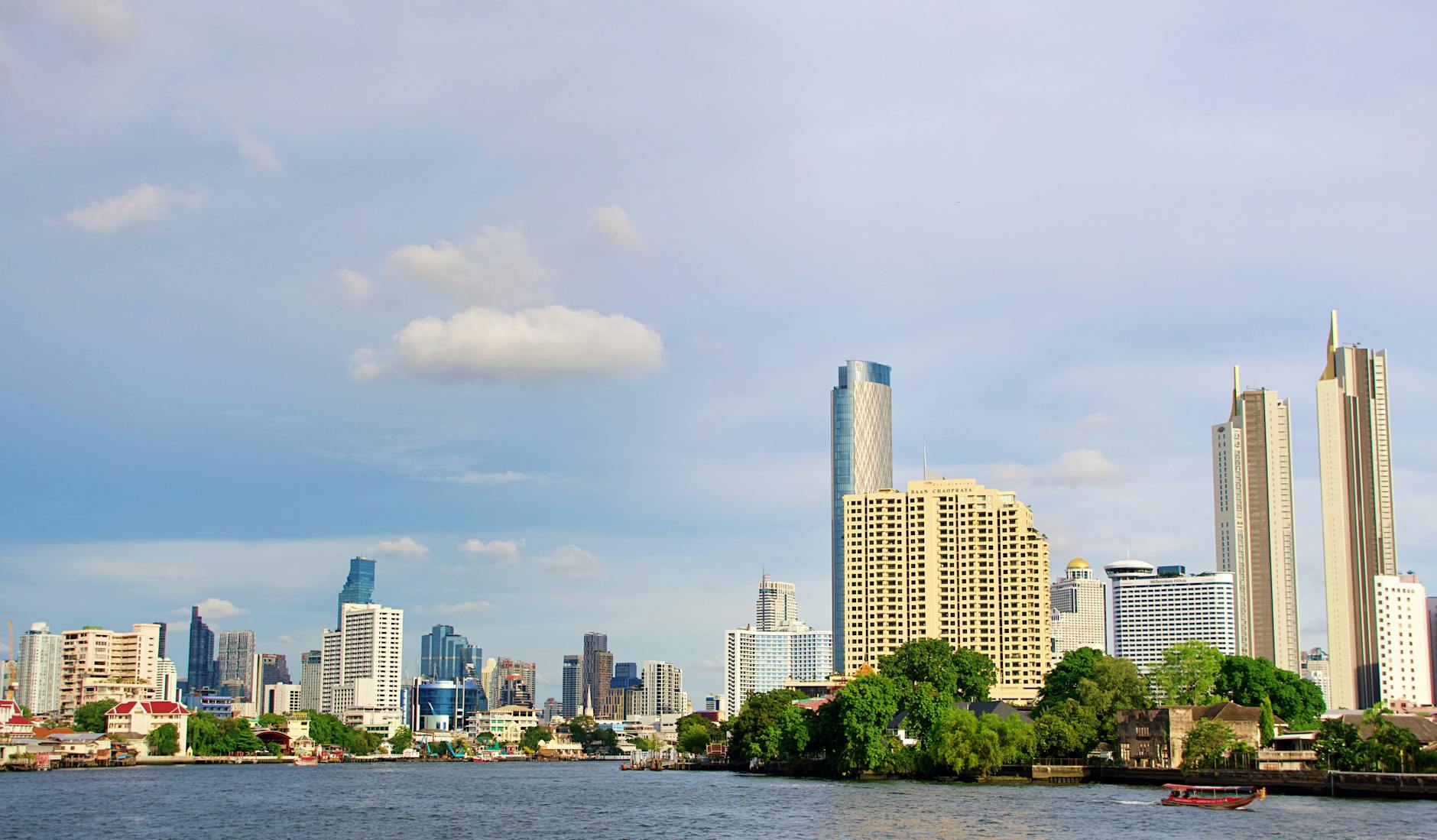
Thailand has intensified asset seizures targeting an international fraud and money laundering network connected to South African businessman Benjamin Mauerberger. The case reveals systemic vulnerabilities in Thailand's financial regulatory framework and highlights the need for comprehensive regional cooperation to combat transnational financial crime in Southeast Asia.
Thailand’s financial authorities have initiated a new phase of asset seizures targeting an international fraud and money laundering network centred on South African businessman Benjamin Mauerberger. The expanded enforcement action signals Bangkok’s heightened commitment to dismantling transnational financial crime operations that exploit Thailand’s position as a regional financial hub and gateway to Southeast Asian markets.
Mauerberger, who remains at large, faces serious charges including fraud and money laundering. The network under investigation has utilized Thailand’s relatively permissive financial environment and complex corporate structures to obscure illicit fund flows across Southeast Asia and beyond. This case reflects a broader pattern of international criminal networks exploiting regulatory gaps in the region’s financial systems.
The investigation into Mauerberger’s operations reveals the mechanics of how sophisticated fraud schemes operate across borders. Rather than operating through a single entity, the network comprises multiple interconnected businesses and financial instruments designed to fragment accountability and complicate regulatory tracking. This structural approach—distributing assets across multiple jurisdictions and corporate vehicles—represents a standard methodology employed by transnational financial criminals.
Thailand’s role in this network is particularly significant given the country’s status as Southeast Asia’s second-largest economy and a major regional financial centre. The presence of such operations within Thailand’s financial system underscores vulnerabilities in cross-border transaction monitoring and beneficial ownership verification mechanisms. The network’s ability to operate suggests either regulatory blind spots or insufficient inter-agency coordination in detecting suspicious financial activity.
The Mauerberger case exposes critical weaknesses in Thailand’s anti-money laundering (AML) infrastructure. Thailand’s Financial Intelligence Unit (FIU) and banking regulators have faced persistent criticism from international bodies, including the Financial Action Task Force (FATF), regarding gaps in beneficial ownership transparency and reporting mechanisms. The continued operation of such networks despite regulatory oversight suggests that existing enforcement capacity remains insufficient relative to the sophistication of modern financial crime.
The asset seizure campaign represents an attempt to demonstrate regulatory competence and commitment to international standards. However, enforcement actions alone cannot address systemic issues. Thailand requires substantive reforms to its corporate registration system, real estate transaction monitoring, and cross-border payment verification protocols. Without these structural improvements, similar networks will likely continue to exploit Thailand’s financial system.
Thailand’s struggle with transnational financial crime must be understood within the broader Southeast Asian context. The region faces persistent challenges from money laundering related to drug trafficking, human smuggling, and corruption. ASEAN member states have inconsistent AML standards, creating regulatory arbitrage opportunities for criminal networks. Criminals exploit these disparities by routing illicit funds through jurisdictions with weaker enforcement, then legitimizing proceeds through regional financial centres like Thailand, Singapore, and Malaysia.
The Mauerberger network’s utilization of Thailand as an operational base reflects this pattern. The country’s geographic position, relatively developed financial infrastructure, and historical tolerance for informal financial arrangements make it an attractive node in transnational criminal logistics. Addressing this requires coordinated regional action, not merely unilateral Thai enforcement.
Thailand’s asset seizure campaign faces significant practical obstacles. Recovering assets held across multiple jurisdictions requires mutual legal assistance treaties (MLATs), which function inconsistently across Southeast Asia. Additionally, seized assets held in Thailand may have legitimate claimants with competing legal interests, complicating disposition. The case against Mauerberger himself remains incomplete without his apprehension—asset seizures, while symbolically important, do not constitute criminal conviction or full network disruption.
International cooperation has proven essential but remains friction-laden. South Africa, where Mauerberger originates, must coordinate with Thai authorities through formal channels that are often slow and bureaucratically cumbersome. This coordination gap creates temporal advantages for criminal networks seeking to relocate assets or obscure fund trails.
Thailand’s response to the Mauerberger case demonstrates both commitment and limitation. Visible asset seizures provide political cover and demonstrate regulatory action to international bodies. However, they do not address the underlying structural vulnerabilities that enable such networks to operate. Sustainable progress requires Thailand to implement the following measures:
The Mauerberger investigation will likely remain incomplete without his capture. Thailand’s ability to prevent similar networks from establishing operations depends not on enforcement actions against existing cases, but on systematic regulatory improvements that reduce the attractiveness of Thailand as a financial crime hub. The current trajectory suggests incremental progress rather than transformative reform—sufficient to maintain international standing but insufficient to fundamentally disrupt transnational financial crime operations in the region.