Physical Address
304 North Cardinal St.
Dorchester Center, MA 02124
Physical Address
304 North Cardinal St.
Dorchester Center, MA 02124

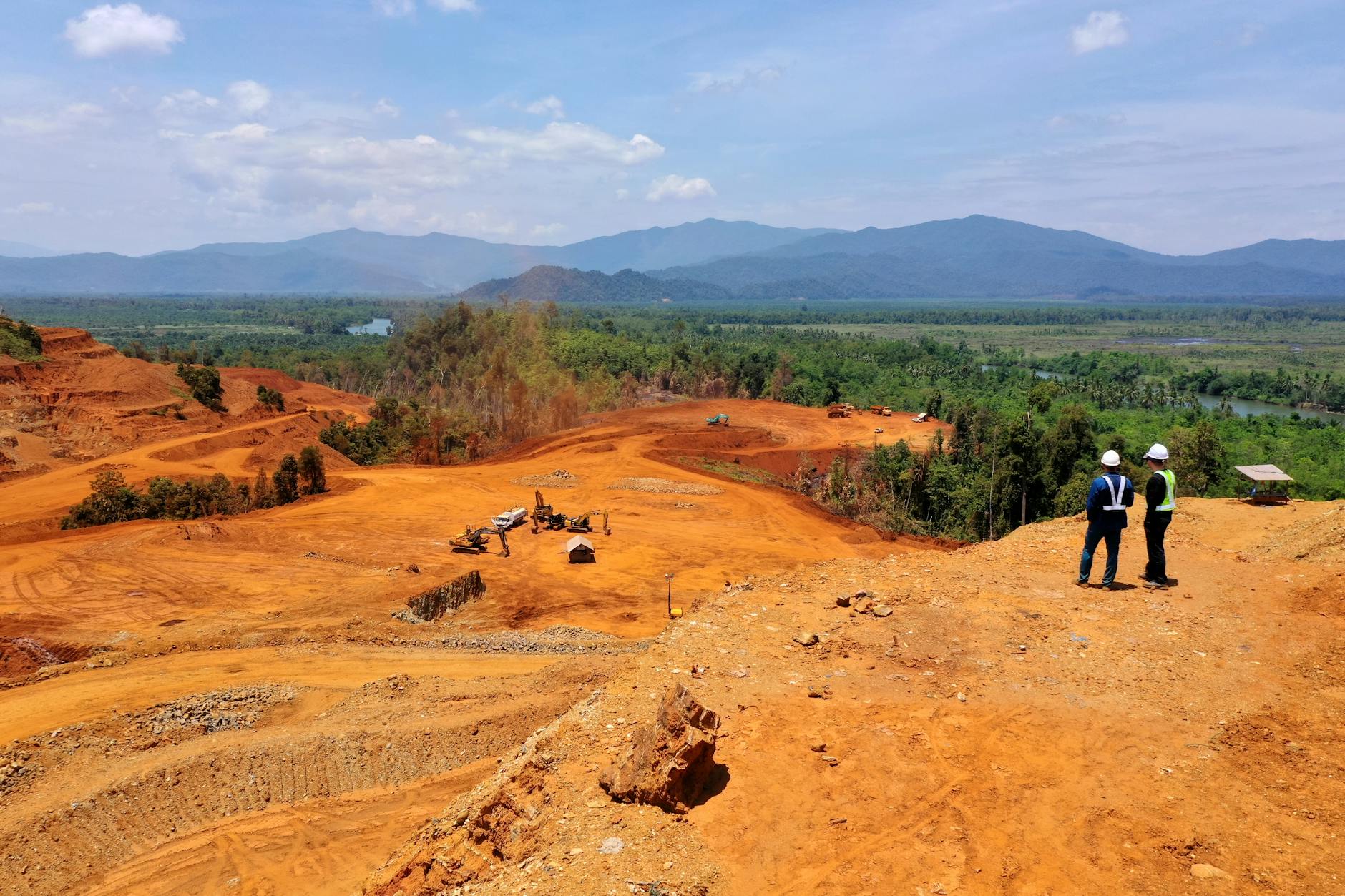
President Prabowo Subianto is restructuring Indonesia's energy partnerships through diplomatic engagement, reducing Middle Eastern dependence and positioning the nation as a critical hub for minerals, LNG, and clean energy technologies. This strategic reorientation has significant implications for Indo-Pacific energy security and regional autonomy.
Indonesia’s newly appointed President Prabowo Subianto is fundamentally reshaping the nation’s energy security posture through an ambitious diplomatic offensive that extends far beyond traditional Middle Eastern partnerships. This strategic pivot reflects a calculated assessment that Indonesia’s long-term energy interests—spanning oil, liquefied natural gas (LNG), critical minerals, and clean energy technologies—require a more geographically diversified supplier base and investment landscape. The shift carries significant implications not only for Indonesia’s domestic energy security but for regional stability in the Indo-Pacific, where energy security remains a cornerstone of strategic autonomy.
Indonesia’s energy sector has historically relied on volatile Middle Eastern supply chains and investment flows. The recent tensions in the Strait of Hormuz, through which approximately 21 percent of global petroleum passes annually, have exposed the vulnerabilities of this dependency. For a nation of 275 million people with growing energy demands and aspirations to become a regional industrial hub, such concentration of geopolitical risk is strategically untenable. Prabowo’s administration appears to have internalized this lesson, using summit diplomacy and state visits as instruments to systematically cultivate alternative partnerships across multiple energy domains.
The Prabowo government’s approach encompasses four distinct energy vectors, each requiring different diplomatic and commercial strategies. In traditional hydrocarbon markets, Indonesia is actively seeking to expand partnerships with non-Middle Eastern producers and investors, reducing exposure to Persian Gulf geopolitics. Simultaneously, the administration is pursuing aggressive mineral diplomacy, recognizing that Indonesia’s vast reserves of nickel, cobalt, and other battery metals position it as critical to global energy transition supply chains.
State visits and bilateral summit meetings have become the primary vehicles for this reorientation. Through direct engagement with leaders across Asia, Europe, and potentially North America, Prabowo is negotiating not merely commodity transactions but integrated partnerships that encompass downstream processing, technology transfer, and joint ventures in renewable energy infrastructure. This approach reflects an understanding that 21st-century energy security is not simply about securing barrels of oil or cubic meters of gas, but about capturing value across the entire energy value chain.
The mineral dimension deserves particular analytical weight. Indonesia’s nickel reserves—among the world’s largest—have become strategically valuable as global automotive and battery manufacturers race to secure supplies independent of Chinese processing dominance. By engaging directly with potential downstream partners in industrialized economies, Prabowo is attempting to leverage Indonesia’s geological endowments into industrial capacity and technological capability, rather than simply exporting raw ore.
Indonesia’s energy diversification strategy carries direct implications for Indo-Pacific regional architecture. As Southeast Asia’s largest economy and a nation straddling critical sea lanes, Indonesia’s energy security choices influence broader questions of regional alignment and strategic autonomy. A more diversified energy portfolio reduces the leverage that any single external power—whether Middle Eastern suppliers or major Asian investors—can exert over Indonesian policy.
This diversification also positions Indonesia as a more attractive partner for other regional states pursuing similar objectives. Vietnam, the Philippines, and other ASEAN members facing their own energy security challenges may adopt comparable strategies, potentially creating a coalition of Southeast Asian energy diversification that collectively reduces the region’s vulnerability to external supply shocks or coercive pressure.
The timing of this strategic shift is notable. It coincides with broader Indo-Pacific strategic competition, in which energy security has emerged as a critical dimension of great power competition. By actively managing its energy partnerships rather than passively accepting historical dependencies, Indonesia signals that it intends to navigate this competition from a position of relative strength rather than constraint.
Prabowo’s energy playbook explicitly incorporates clean energy and energy transition technologies as a strategic domain. This reflects both Indonesia’s stated climate commitments and a pragmatic recognition that the global energy system is undergoing structural transformation. Rather than viewing the energy transition as an external pressure to be managed, the Indonesian government appears to be treating it as an opportunity to attract investment, develop new industrial capabilities, and reduce long-term exposure to hydrocarbon price volatility.
Investment in renewable energy infrastructure, battery manufacturing, and green hydrogen production offers Indonesia pathways to industrial development that are less dependent on historical energy relationships. By positioning itself as a hub for energy transition technologies and manufacturing, Indonesia can capture value from global decarbonization trends rather than being disrupted by them.
The success of Indonesia’s energy diversification strategy will depend on sustained diplomatic engagement and the ability to convert summit-level agreements into concrete commercial arrangements. Summit diplomacy creates political momentum and signals strategic intent, but translating these into binding investment commitments and long-term supply contracts requires institutional capacity, transparent regulatory frameworks, and credible enforcement mechanisms.
Indonesia faces several implementation challenges. First, the nation must maintain policy consistency across multiple energy domains while managing competing interests from state-owned enterprises, private investors, and different government agencies. Second, it must navigate the tension between maximizing near-term hydrocarbon revenues and investing in longer-term energy transition capabilities. Third, it must credibly commit to environmental and governance standards that attract investment from developed economies while maintaining sufficient flexibility to accommodate investment from less stringent partners.
The administration’s willingness to engage in active state diplomacy suggests that Prabowo views energy security as inseparable from broader questions of national strategic autonomy and economic development. This is a more expansive conception of energy policy than treating it as a purely technical or commercial matter.
Indonesia’s energy diversification strategy represents a deliberate assertion of strategic agency in an increasingly competitive Indo-Pacific environment. By refusing to remain dependent on any single energy supplier or investor, and by actively cultivating partnerships across multiple regions and energy domains, Indonesia is constructing a more resilient energy security architecture.
This approach offers lessons for other regional states navigating similar strategic challenges. Energy security in the Indo-Pacific is increasingly inseparable from broader questions of geopolitical alignment, industrial development, and technological capability. Nations that treat energy policy as an instrument of strategic statecraft—rather than as a purely economic or technical matter—are more likely to preserve meaningful autonomy in an era of great power competition.
The success of Prabowo’s energy reorientation will ultimately be measured not by the number of state visits or summit agreements, but by the concrete flow of investment, technology, and diversified energy supplies into Indonesia over the coming years. If achieved, this diversification will strengthen Indonesia’s position as a strategic actor in the Indo-Pacific and provide a model for how regional states can navigate the intersection of energy security, economic development, and geopolitical competition.