Physical Address
304 North Cardinal St.
Dorchester Center, MA 02124
Physical Address
304 North Cardinal St.
Dorchester Center, MA 02124
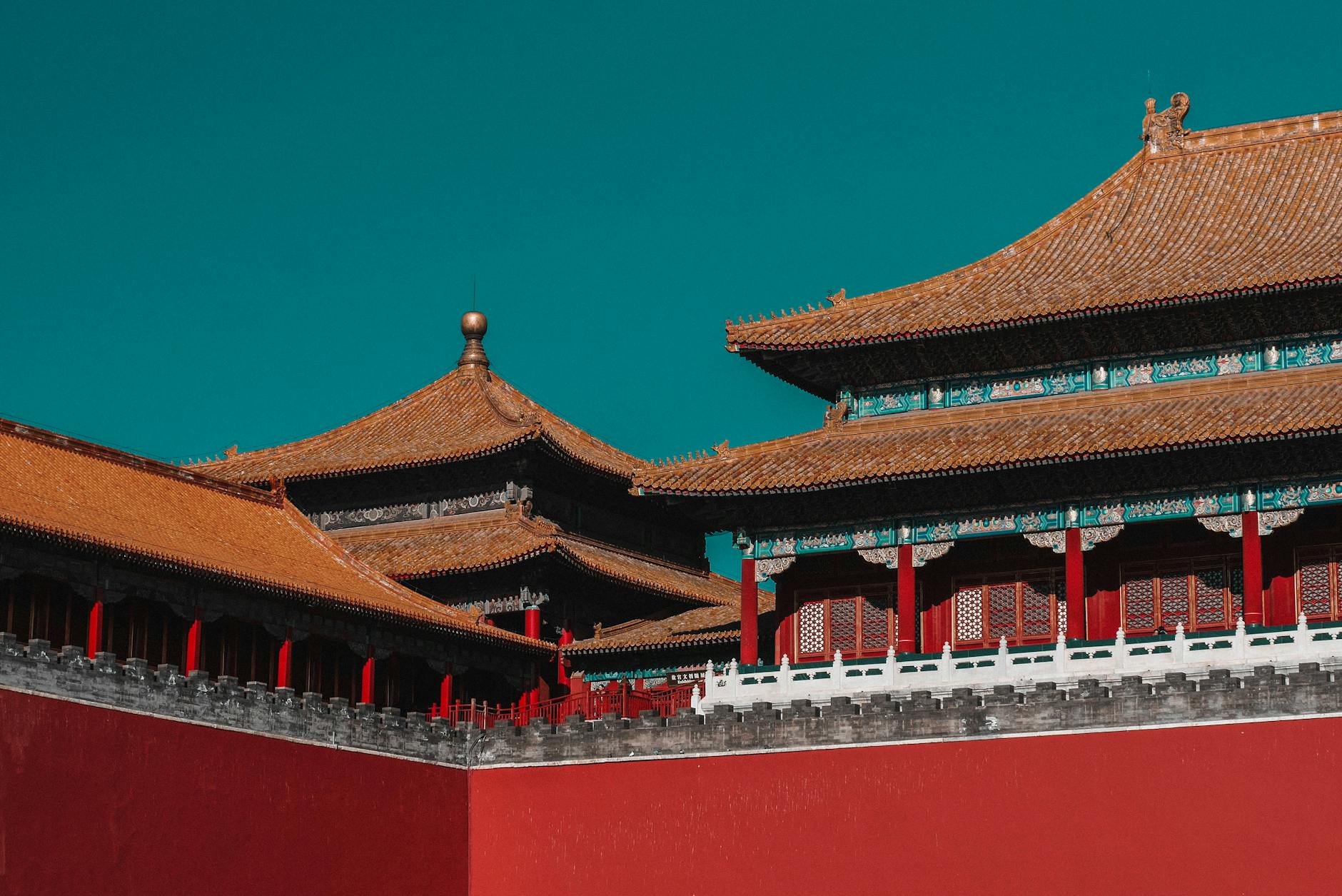
General Secretary To Lam's state visit to Beijing signals Vietnam's strategic commitment to managing its relationship with China while maintaining firm positions on South China Sea disputes and ASEAN leadership responsibilities.
General Secretary To Lam’s four-day state visit to Beijing in late 2024 represents a significant moment in Vietnam-China relations, culminating in a joint declaration with President Xi Jinping that frames their bilateral relationship as “a strategic choice of overarching and long-term significance.” This characterization signals Vietnam’s deliberate positioning within the complex geopolitical landscape of Southeast Asia, where balancing relationships with major powers remains central to Hanoi’s strategic calculus.
The timing of this high-level engagement carries particular weight. Vietnam, as the 2024 chair of the Association of Southeast Asian Nations (ASEAN) and a nation with significant territorial disputes in the South China Sea, faces competing pressures to maintain strategic autonomy while managing its relationship with its largest neighbor. To Lam’s visit—his first as Communist Party General Secretary following his election to the position in October 2024—underscores Vietnam’s commitment to managing this relationship at the highest political level.
The joint statement issued during To Lam’s Beijing visit emphasized continuity and deepening ties across multiple domains. By explicitly declaring their relationship a “strategic choice,” both leaders moved beyond transactional diplomacy to articulate a long-term commitment that encompasses political, economic, and security dimensions.
This framing reflects a deliberate Vietnamese strategy: rather than viewing the China relationship as purely defensive or reactive to Beijing’s assertiveness, Hanoi is positioning engagement as a proactive choice aligned with its national interests. This approach acknowledges that China’s economic integration with Vietnam—bilateral trade exceeded $171 billion in 2023—creates structural incentives for stable relations that transcend political differences.
Vietnam’s approach to China cannot be separated from the South China Sea dispute. Vietnam contests China’s expansive nine-dash line claim and has experienced repeated confrontations with Chinese coast guard vessels in disputed waters. Most notably, the 2016 Hague arbitration tribunal ruled against China’s historical claims, a verdict Beijing rejected outright.
Yet Vietnam’s diplomatic strategy has evolved toward compartmentalization: maintaining firm positions on sovereignty while engaging Beijing on broader strategic cooperation. This reflects a calculation that isolation or confrontation serves neither Vietnamese interests nor regional stability. By elevating the bilateral relationship through To Lam’s visit, Vietnam signals that it can manage territorial disputes without allowing them to paralyze the broader relationship—a difficult balance that requires sustained high-level political commitment.
Vietnam’s 2024 ASEAN chairmanship adds another layer to this engagement. As the bloc’s leading voice on South China Sea issues and a coordinator of ASEAN-China relations, Vietnam must navigate between defending ASEAN unity on maritime concerns while maintaining productive bilateral ties with Beijing. To Lam’s visit demonstrates that Hanoi intends to pursue these objectives simultaneously rather than sequentially.
The visit also carries implications for ASEAN’s broader strategic autonomy. Vietnam’s willingness to deepen ties with China while holding the ASEAN chair sends a message that Southeast Asian nations need not choose between engagement and assertiveness. This approach—sometimes termed “hedging” in strategic studies—remains central to how Vietnam and other ASEAN members manage their great power relationships.
Beyond political declarations, the economic dimension of Vietnam-China ties creates tangible strategic interdependencies. China remains Vietnam’s largest source of imports, particularly for manufacturing inputs and energy. Conversely, Vietnam has become an important market for Chinese goods and a key node in supply chains serving both regional and global markets.
To Lam’s emphasis on the relationship’s long-term significance likely encompasses discussions on economic cooperation, investment frameworks, and supply chain coordination. These economic ties create mutual interests in stability that can buffer against political tensions—though they also create vulnerabilities that Vietnam must manage carefully to preserve policy autonomy.
Vietnam’s approach under To Lam’s leadership reflects a maturation of Hanoi’s great power management strategy. Rather than viewing engagement with China as a retreat from previous assertiveness on sovereignty issues, Vietnam is attempting to demonstrate that a major power can maintain firm positions on core interests while simultaneously deepening strategic cooperation across multiple domains.
The success of this approach depends on several factors. First, China must respect the boundaries Vietnam establishes on sovereignty and maritime disputes. Second, Vietnam must maintain sufficient strategic partnerships—with the United States, Japan, India, and others—to preserve meaningful alternatives to Chinese dominance. Third, Vietnam’s ASEAN role requires that bilateral accommodation with China does not undermine the bloc’s collective positions on regional governance and dispute resolution.
To Lam’s four-day visit and the resulting strategic declarations represent neither capitulation to Chinese pressure nor a fundamental shift in Vietnam’s strategic orientation. Instead, they reflect a conscious choice to manage the China relationship at the highest political level, acknowledging its centrality to Vietnamese interests while preserving the flexibility and partnerships necessary to defend Vietnamese sovereignty and regional stability. This approach will define Vietnam’s strategic posture throughout its 2024 ASEAN chairmanship and beyond.