Physical Address
304 North Cardinal St.
Dorchester Center, MA 02124
Physical Address
304 North Cardinal St.
Dorchester Center, MA 02124

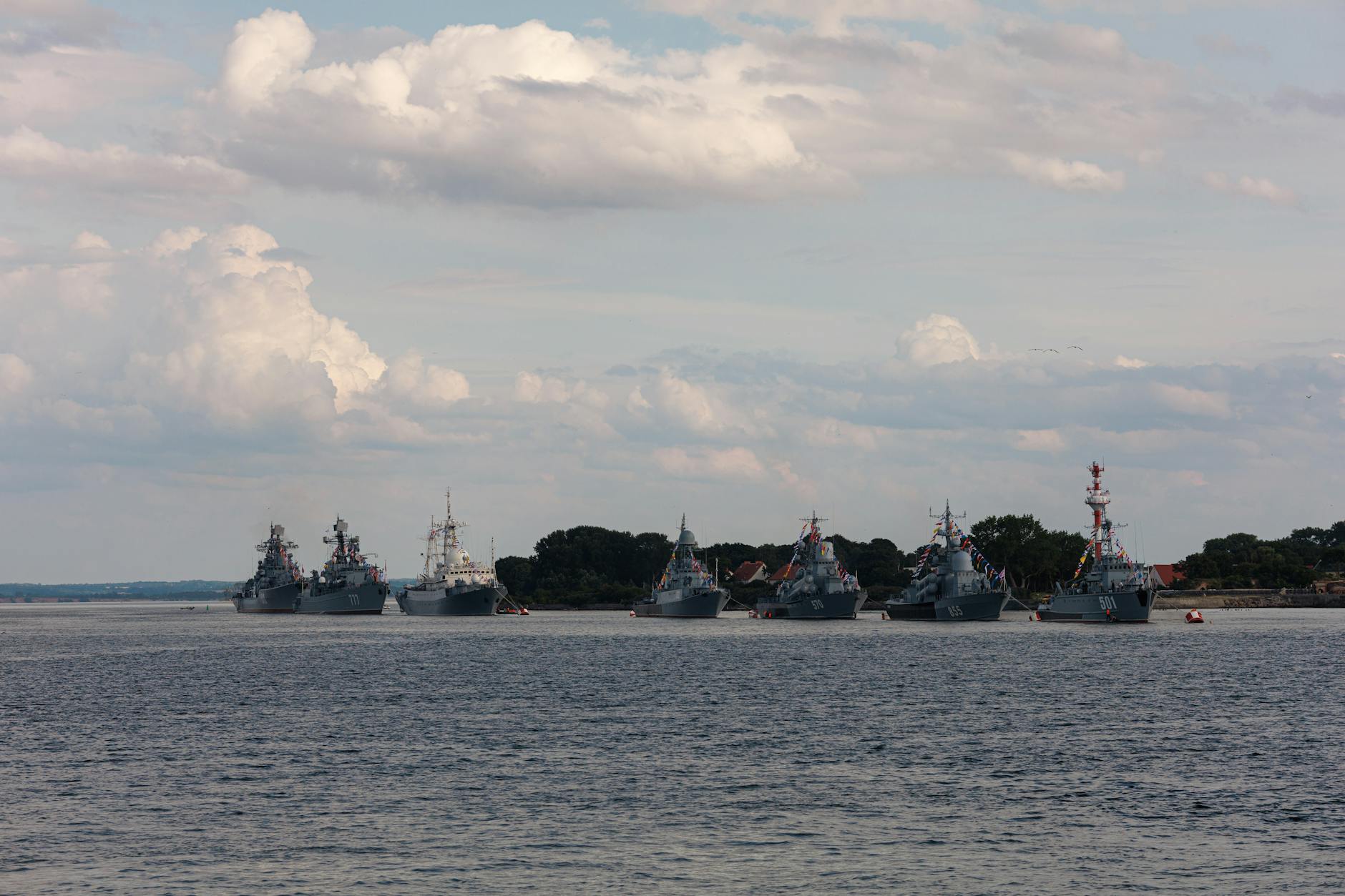
While Japan faces genuine security challenges from China's military expansion and North Korea's nuclear program, formal Article 9 constitutional revision would destabilize the Indo-Pacific rather than enhance Japanese security. Existing reinterpretation frameworks provide sufficient flexibility for necessary military modernization.
Japan stands at a critical juncture in its post-war security architecture. Prime Minister Fumio Kishida has made constitutional revision a centerpiece of his political agenda, with particular focus on Article 9 of the 1947 Constitution—the pacifist clause that renounces war and prohibits the maintenance of military forces. While Japan’s defence challenges are undeniably real, formal constitutional revision to enable expanded military capabilities would represent a strategic miscalculation that risks destabilizing regional equilibria rather than enhancing Japanese security.
The push for Article 9 revision reflects genuine security anxieties: China’s military modernization, North Korea’s accelerating nuclear and missile programs, and Russia’s strategic repositioning in the Indo-Pacific. Yet these challenges are better addressed through the existing framework of reinterpretation and incremental policy adjustment than through the blunt instrument of constitutional amendment. The revision pathway creates unnecessary political friction, invites destabilizing counter-responses from regional actors, and distracts from the practical security measures Japan has already effectively implemented.
A fundamental misunderstanding underpins the revision debate: Article 9 does not actually prevent Japan from maintaining robust military capabilities or responding to legitimate security threats. The Japanese Self-Defense Forces (JSDF) constitute one of the world’s most technologically advanced militaries, with annual defence spending exceeding $49 billion as of 2023. Japan operates advanced naval platforms, including helicopter carriers that function as light aircraft carriers, sophisticated air defence systems, and one of the most capable submarine fleets globally.
This capability exists precisely because successive Japanese governments—beginning with the Yoshida Doctrine framework established in the 1950s—have developed sophisticated constitutional interpretations. The 1972 government interpretation established that Article 9 permits the maintenance of “minimum necessary” military forces for self-defence. This interpretive framework has proven sufficiently flexible to accommodate:
The 2014 reinterpretation of collective self-defence, approved by the Abe administration through legislative rather than constitutional means, already permits Japan to exercise military force in response to threats to allied nations—a capability that fundamentally addresses Japan’s security concerns regarding US alliance commitments and regional deterrence. This demonstrates that constitutional amendment is unnecessary to expand Japan’s security posture.
Constitutional revision carries significant diplomatic and strategic costs that revision advocates inadequately acknowledge. China and South Korea would almost certainly interpret formal Article 9 revision as confirmation of Japanese militarism and regional hegemonic ambitions—narratives that Beijing and Seoul already employ selectively for domestic political purposes. Such revision would provide legitimate ammunition for these critiques and potentially trigger security competition dynamics contrary to Japanese interests.
The signaling effect matters strategically. Japan’s post-war pacifist constitution, despite its internal contradictions, has provided diplomatic cover for Japan’s security activities and has reinforced the narrative of Japan as a responsible, status-quo power. This reputation facilitates Japan’s diplomatic leadership in Indo-Pacific institutions, supports burden-sharing arrangements with allies, and constrains regional security dilemmas. Abandoning this framework through formal constitutional revision surrenders these diplomatic advantages without corresponding security gains.
Russia’s 2022 invasion of Ukraine and the subsequent NATO expansion debate illustrate the escalatory dynamics that formal constitutional changes can trigger. While Japan’s circumstances differ substantially from Eastern Europe, the principle remains valid: formal security posture changes invite countermeasures and regional hedging. China has already accelerated military modernization and expanded operations around the Senkaku Islands; formal Japanese constitutional revision would provide Beijing with domestic political justification for further military expansion.
Constitutional revision represents a time-intensive political project that diverts Japanese political capital from more immediately consequential security measures. The revision process requires supermajority support in both chambers of the Diet and public referendum approval—a multi-year undertaking with uncertain outcomes. The Kishida administration’s initial efforts to build consensus have encountered resistance from opposition parties and public opinion remains divided, with successive polling showing less than 50 percent support for Article 9 revision.
This political friction is strategically counterproductive. Japan faces more pressing security requirements that demand legislative attention: accelerating defence industrial capacity to address ammunition shortages exposed by Ukraine’s experience, deepening JSDF integration with allied militaries, modernizing air defence capabilities against hypersonic threats, and developing asymmetric capabilities to deter Chinese military coercion in the East China Sea. These objectives require sustained legislative focus and budgetary commitment—resources that a protracted constitutional revision debate would consume.
The Kishida administration’s push for revision also reflects narrower political calculations about legacy-building rather than strategic necessity. Constitutional revision has long served as a nationalist political objective in Japanese conservative politics; achieving it would represent a significant political victory for the Liberal Democratic Party. However, conflating political objectives with security strategy produces poor policy outcomes.
Japan’s security challenges demand sustained military modernization, enhanced operational readiness, and deepened allied integration—objectives achievable within the existing constitutional framework through continued reinterpretation and legislative action. The precedent of 2014 demonstrates that significant security posture changes require neither constitutional amendment nor dramatic political confrontation.
Specific measures would more effectively advance Japanese security than Article 9 revision:
These measures address the substantive security challenges that revision proponents identify, while avoiding the diplomatic and domestic political costs of constitutional amendment.
Japan’s security environment has undoubtedly shifted since 1947. However, the 1947 Constitution’s flexibility—demonstrated repeatedly through reinterpretation—remains sufficient to accommodate legitimate security adaptations. The core question is not whether Japan can defend itself effectively; the JSDF’s capabilities demonstrate it clearly can. The question is whether formal constitutional revision advances Japanese interests or instead creates unnecessary complications.
The evidence suggests revision creates more problems than it solves. Diplomatically, it invites regional backlash and undermines Japan’s positioning as a responsible stakeholder in Indo-Pacific institutions. Domestically, it consumes political capital better directed toward concrete defence modernization. Strategically, it abandons the diplomatic benefits of the pacifist framework without corresponding security gains.
Japan’s optimal path forward involves continued incremental evolution of its security posture through legislative and interpretive means, sustained defence modernization, and deepened allied integration—the approach that has proven effective since the 1970s. This strategy maintains the flexibility that has served Japanese interests well while avoiding the destabilizing signaling effects and domestic political costs of constitutional revision. For a nation whose security depends fundamentally on maintaining regional stability and allied confidence, this measured approach remains strategically superior to the dramatic gesture of constitutional amendment.