Physical Address
304 North Cardinal St.
Dorchester Center, MA 02124
Physical Address
304 North Cardinal St.
Dorchester Center, MA 02124

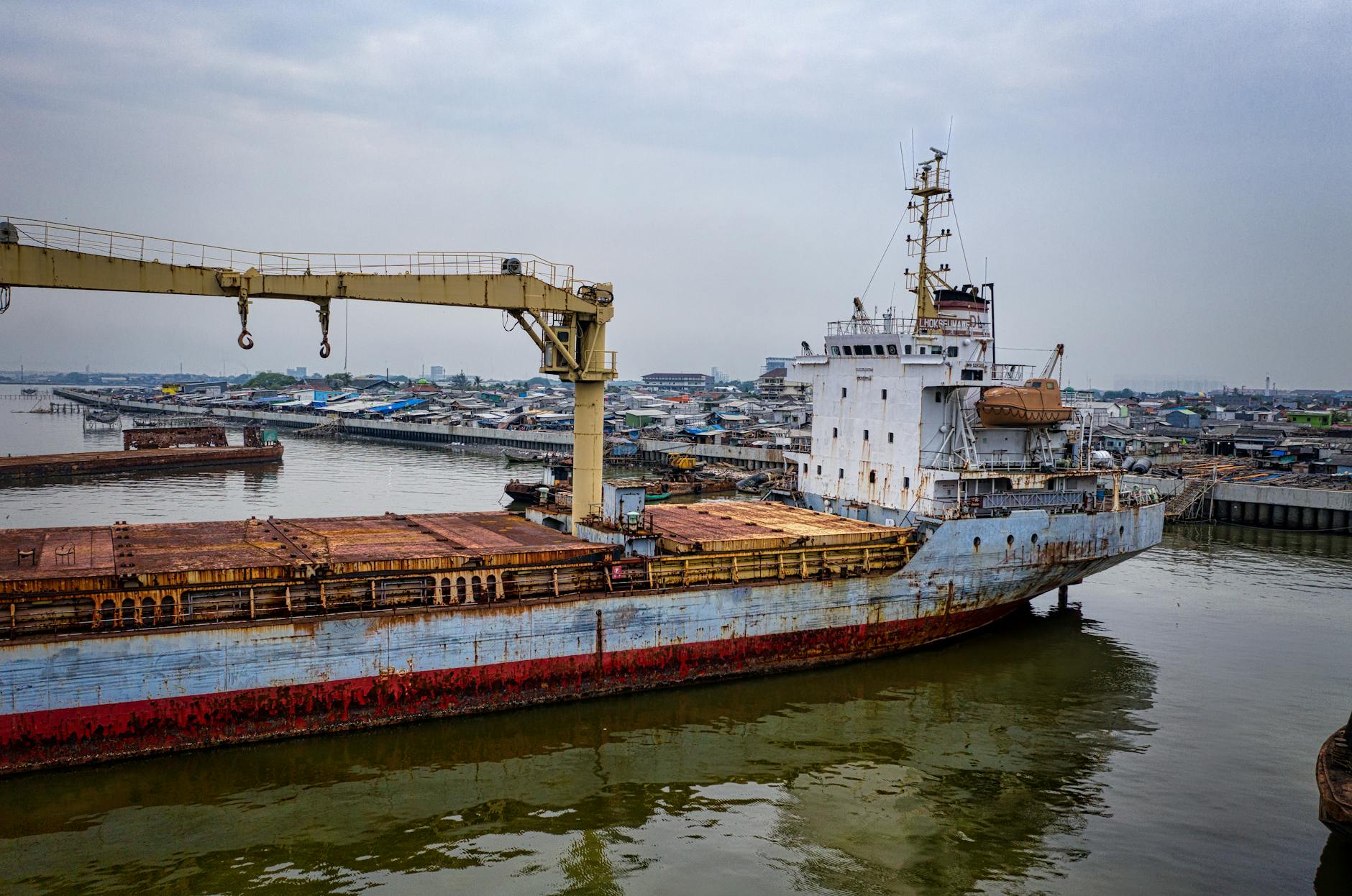
Indonesia's Major Defense Cooperation Partnership with the United States signals a strategic recalibration in Jakarta's approach to great power competition while maintaining hedging toward China. The partnership institutionalizes military cooperation while preserving Indonesia's traditional non-aligned positioning.
Indonesia’s decision to elevate its defense relationship with the United States through a Major Defense Cooperation Partnership represents a significant recalibration of Jakarta’s strategic posture in the Indo-Pacific. This development signals a deliberate shift in Indonesia’s balancing act between major powers and carries substantial implications for regional security architecture, particularly as China’s military modernization and assertiveness in the South China Sea continue to reshape the strategic environment.
Indonesia has historically maintained a non-aligned foreign policy tradition rooted in the Non-Aligned Movement principles established during the Cold War. However, the contemporary Indo-Pacific security environment—characterized by great power competition, maritime disputes, and accelerating military buildups—has prompted Jakarta to reconsider the utility of strict non-alignment. The Major Defense Cooperation Partnership with Washington reflects this pragmatic reassessment rather than a wholesale abandonment of Indonesia’s traditional hedging strategy.
The partnership arrives at a critical juncture. China’s People’s Liberation Army Navy (PLAN) has expanded its operational footprint across the South China Sea and Indian Ocean, while Indonesia itself faces persistent maritime security challenges including illegal fishing, piracy, and transnational crime in its vast archipelago. These pressures have made deepened defense cooperation with the United States increasingly attractive to Indonesian security planners, despite historical wariness of U.S. military involvement in Southeast Asia.
The Major Defense Cooperation Partnership framework institutionalizes military cooperation between the Indonesian Armed Forces (TNI) and the U.S. Department of Defense in ways that previous bilateral arrangements did not. This includes enhanced information sharing, joint training exercises, technology transfer provisions, and coordinated operational planning. Such mechanisms create structural dependencies and interoperability that extend beyond individual administrations in either capital.
Indonesia’s military, particularly the Indonesian Navy (Tentara Nasional Indonesia Angkatan Laut), has long operated with aging and heterogeneous equipment platforms. Greater access to U.S. defense technology and maintenance support addresses genuine capability gaps, particularly in submarine operations, maritime surveillance, and air defense systems. The partnership also signals to other ASEAN members—particularly Vietnam, the Philippines, and Malaysia—that deepening U.S. security ties need not contradict ASEAN’s commitment to centrality and consensus-based decision-making.
Indonesia’s approach to the U.S. partnership demonstrates Jakarta’s continued commitment to strategic ambiguity rather than outright alignment. President Joko Widodo’s administration has simultaneously pursued economic integration with China while strengthening defense ties with the United States—a delicate balance that reflects Indonesia’s position as the world’s largest Muslim-majority democracy with significant economic stakes in Chinese investment and trade.
Indonesia’s trade with China exceeded $136 billion in 2022, making Beijing a critical economic partner. Conversely, the U.S. remains a security guarantor and technological partner without the economic leverage that Beijing possesses. This asymmetry constrains how far Jakarta can pivot toward Washington without triggering economic consequences. The defense partnership thus represents calibrated hedging: sufficient deepening to address security vulnerabilities without provoking Chinese economic retaliation or forcing Indonesia into explicit anti-China positioning.
Indonesia’s defense partnership with Washington carries consequences for ASEAN unity at a moment when the bloc faces internal divisions over South China Sea disputes and responses to great power competition. As ASEAN’s largest economy and most populous nation, Indonesia’s strategic choices influence how other Southeast Asian states calibrate their own major power relationships.
The partnership does not necessarily fragment ASEAN’s consensus-based approach to the U.S.-China competition. Rather, it reflects a broader pattern across Southeast Asia whereby individual ASEAN members pursue differentiated strategies with Washington while maintaining official commitment to ASEAN centrality and the ASEAN Regional Forum (ARF). Vietnam, the Philippines, and Thailand have all deepened U.S. security partnerships without formally abandoning ASEAN’s non-aligned positioning. Indonesia’s move follows this established pattern rather than breaking new ground.
However, the partnership does reinforce a troubling trend: the gradual erosion of ASEAN’s ability to maintain unified positions on security matters. As individual members strengthen bilateral defense relationships with external powers, ASEAN’s collective leverage in regional negotiations diminishes. This dynamic particularly affects efforts to manage South China Sea disputes through the Code of Conduct negotiations, where ASEAN’s unified voice remains critical to constraining Chinese behavior.
The timing of the partnership announcement warrants scrutiny. Widodo’s presidency concludes in October 2024, with Prabowo Subianto, the defense minister and former special forces commander, positioned as the likely successor. Prabowo has historically advocated for stronger defense spending and a more assertive Indonesian military posture. The partnership’s formalization under Widodo may reflect efforts to establish institutional frameworks that transcend individual administrations, ensuring continuity regardless of electoral outcomes.
Prabowo’s ascendancy could actually accelerate the implementation of the defense partnership, given his professional background and known advocacy for military modernization. This suggests the partnership represents a broader consensus among Indonesia’s security establishment rather than an idiosyncratic preference of the outgoing administration.
Indonesia’s Major Defense Cooperation Partnership with the United States marks a meaningful but measured shift in Jakarta’s strategic calculus. It reflects clear-eyed recognition that non-alignment in its classical form cannot adequately address contemporary maritime security challenges, while maintaining sufficient strategic ambiguity to preserve economic relationships with China and Indonesia’s traditional diplomatic flexibility.
The partnership’s success will depend on its ability to deliver tangible capability improvements to the TNI without creating perceptions of Indonesian subordination to U.S. strategic objectives. For Washington, the partnership represents a critical investment in sustaining U.S. influence in Southeast Asia’s most strategically important nation. For Beijing, it presents a managed challenge rather than a fundamental realignment of Indonesian foreign policy.
The deeper significance lies in what the partnership reveals about the limits of traditional non-alignment in an era of great power competition and maritime insecurity. As other Indo-Pacific states face similar pressures, Indonesia’s pragmatic recalibration offers a model for how middle powers can deepen security relationships with external partners while nominally preserving strategic autonomy. Whether this balancing act proves sustainable will significantly influence the trajectory of regional security architecture over the next decade.