Physical Address
304 North Cardinal St.
Dorchester Center, MA 02124
Physical Address
304 North Cardinal St.
Dorchester Center, MA 02124

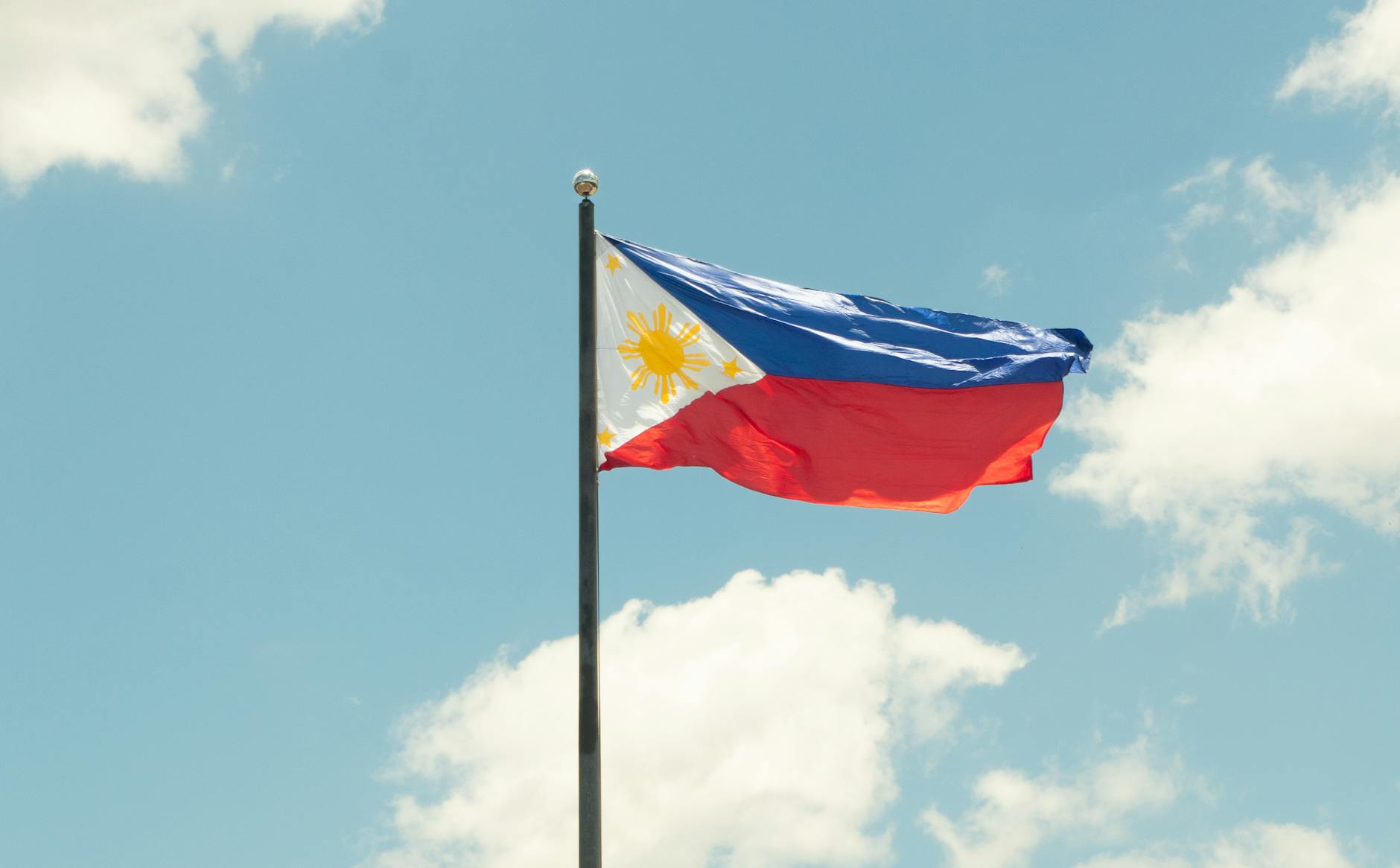
Philippine lawmakers and civil society activists planted the national flag on Sandy Cay in the disputed South China Sea despite Chinese maritime presence. The operation signals Manila's strategic shift toward assertiveness under President Marcos, marking a departure from previous accommodation policies.
The Philippines has intensified its operational presence in the South China Sea through symbolic and practical assertions of sovereignty over disputed maritime features. A recent early morning operation by Philippine lawmakers and civil society activists resulted in the planting of the Philippine national flag on Sandy Cay, a small sandbar located within Manila’s claimed exclusive economic zone (EEZ). This action represents a deliberate escalation in the Philippines’ strategy to challenge Beijing’s expansive territorial claims in the region, particularly following years of relative restraint under previous administrations.
Sandy Cay sits within the Philippine-claimed area of the South China Sea, a zone that overlaps significantly with China’s nine-dash line claim. The operation underscores a fundamental shift in Philippine policy under the Marcos administration: moving from diplomatic accommodation toward more assertive sovereignty demonstrations. This tactical approach mirrors strategies employed by Vietnam and other claimant states, though the Philippines’ reliance on civilian participation adds a distinct political dimension.
The Atin Ito (“This is Ours”) coalition, a nationalist civil society organization, coordinated the Sandy Cay operation, bringing together lawmakers and activists in an early morning expedition. The coalition reported that the mission succeeded despite encountering what they characterized as a “heavy Chinese presence” in the surrounding waters. This framing is significant: it suggests sustained Chinese maritime activity in the area, likely involving coast guard vessels or fishing militia, which have become standard instruments of Beijing’s coercive presence in disputed zones.
The involvement of civil society organizations in territorial assertion operations is strategically important. It creates political cover for government actions while maintaining plausible deniability regarding official policy escalation. It also mobilizes domestic nationalist sentiment, which strengthens the government’s political position on the issue and makes reversals of policy more costly domestically. The Marcos administration has benefited from this dynamic, using civil society activism to reinforce its more assertive posture without bearing the full diplomatic costs of direct state action.
The reported “heavy Chinese presence” near Sandy Cay reflects China’s systematic deployment of maritime forces to consolidate control over disputed features. China’s South China Sea strategy operates across a carefully calibrated spectrum: civilian fishing vessels supported by coast guard protection, followed by militia vessels, and ultimately military assets when escalation is deemed necessary. This gradient allows Beijing to maintain pressure on rival claimants while managing international criticism and minimizing direct military confrontation.
The persistence of Chinese vessels near Sandy Cay and other disputed features indicates that Beijing views these areas as integral to its territorial claims, not merely as negotiable assets. China’s 2012 seizure of Scarborough Shoal and subsequent militarization of artificial islands in the Spratly Islands demonstrate that Beijing will not voluntarily cede control of strategic features, regardless of international law or the 2016 Permanent Court of Arbitration ruling that invalidated the nine-dash line claim.
President Ferdinand “Bongbong” Marcos Jr. has recalibrated Philippine strategy in the South China Sea since taking office in June 2022. Where his predecessor Rodrigo Duterte pursued accommodation with China and avoided confrontational actions, Marcos has adopted a more confrontational approach while maintaining diplomatic channels. This includes increased military exercises, support for civilian operations like the Sandy Cay flag-planting, and closer coordination with the United States through the Enhanced Defense Cooperation Agreement (EDCA).
The Sandy Cay operation fits within this broader strategic reorientation. It signals to domestic audiences that the Marcos administration takes territorial claims seriously and will not passively accept Chinese encroachment. Simultaneously, it tests Chinese tolerance levels for Philippine assertiveness—a calculation that previous administrations avoided. The operation’s timing and coordination with nationalist civil society suggests deliberate strategic messaging rather than spontaneous activism.
The Sandy Cay incident illustrates the fragility of the South China Sea’s status quo and the risks of miscalculation in a crowded maritime space. As the Philippines becomes more assertive, the potential for unintended escalation increases. Chinese coast guard or militia vessels could respond to future Philippine operations with increased force, creating incidents that could spiral beyond the control of national capitals.
The operation also reflects the Philippines’ deeper strategic realignment toward the United States and away from China. This shift has been accelerated by China’s aggressive actions in the South China Sea, the Biden administration’s renewed focus on Indo-Pacific security, and domestic Filipino opinion, which has grown increasingly skeptical of Chinese intentions. The EDCA expansion and increased U.S. military presence in the Philippines provide implicit backing for Philippine assertiveness, though this dynamic carries the risk of drawing the United States into a regional confrontation not of its choosing.
Vietnam, another major claimant state, has watched Philippine assertiveness with interest. If the Philippines successfully raises costs for Chinese pressure without triggering major escalation, Vietnam may adopt similar tactics. Conversely, if China responds harshly to Philippine operations, other claimants may become more cautious. The Sandy Cay operation thus has precedent-setting implications for how the South China Sea dispute will evolve over the coming years.
The Philippine flag-planting on Sandy Cay represents a deliberate choice to move from accommodation toward assertion in the South China Sea. This shift reflects both regional power dynamics—particularly the U.S. reengagement in Indo-Pacific security—and domestic political calculations within the Philippines. The operation succeeded tactically, but its strategic implications remain uncertain. China’s response, whether through increased maritime pressure, economic coercion, or diplomatic escalation, will determine whether this represents a sustainable new equilibrium or a prelude to more serious confrontation. The Philippines’ willingness to conduct such operations, coupled with Chinese determination to consolidate control over disputed features, suggests that the South China Sea will remain a zone of persistent tension and tactical probing for the foreseeable future.