Physical Address
304 North Cardinal St.
Dorchester Center, MA 02124
Physical Address
304 North Cardinal St.
Dorchester Center, MA 02124

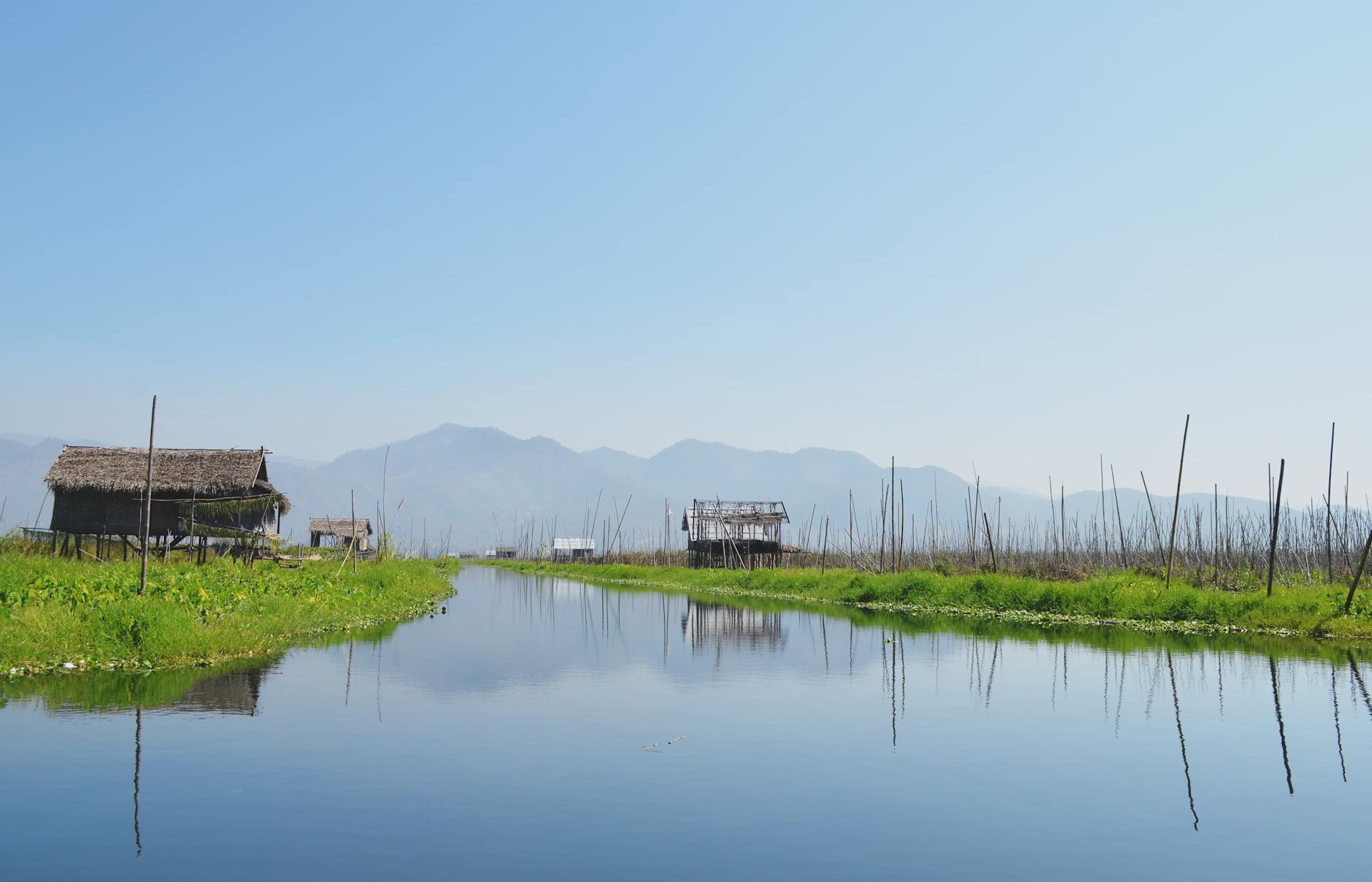
The Arakan Army's leadership under Twan Mrat Naing has adopted a strategic negotiating posture rejecting capitulation to Myanmar's military junta, leveraging territorial control in Rakhine State as a foundation for political influence. The organization's military capabilities and regional implications for India and Bangladesh shape Myanmar's fragmented conflict landscape.
Myanmar’s protracted civil war has entered a new phase with the rise of the Arakan Army (AA), an ethnic armed organization operating in Rakhine State that has emerged as one of the most militarily capable non-state actors challenging the military junta’s authority. The AA’s strategic positioning—balancing negotiations with the Myanmar military government while maintaining operational independence—reflects broader tensions within Myanmar’s fragmented conflict landscape and carries significant implications for regional stability in South and Southeast Asia.
The organization’s leadership, particularly under Twan Mrat Naing, has adopted a negotiating posture that explicitly rejects capitulation to military pressure. This stance signals that the AA intends to leverage its military capacity and territorial control in Rakhine State as a foundation for political negotiations rather than accept subordination to Naypyidaw’s authority. Understanding the AA’s strategic calculus requires examining its military capabilities, the nature of its negotiations with the Myanmar government, and its complex relationships with neighboring states including India and Bangladesh.
The AA has transformed from a relatively minor ethnic armed organization into a formidable military force capable of sustained operations across Rakhine State’s mountainous terrain. The organization’s growth reflects both internal Myanmar dynamics and external support networks that have enabled weapons procurement and training capacity building. By 2023-2024, the AA controlled significant portions of Rakhine State and demonstrated the ability to conduct coordinated military operations against Myanmar military positions.
The AA’s operational reach extends beyond isolated skirmishes. The organization has established administrative structures in territory under its control, effectively functioning as a quasi-state actor with capacity to tax populations, maintain security forces, and provide basic services. This territorial consolidation provides the AA with leverage in any negotiation process—the Myanmar military cannot simply dismiss an organization that controls populated areas and commands armed forces numbering in the thousands.
Twan Mrat Naing’s explicit rejection of pressure-based negotiations reflects this asymmetry. The AA leadership understands that military strength translates into negotiating position. The statement that “the military government wants to negotiate from a position of strength but we will not succumb to such pressure” represents a clear articulation of the AA’s refusal to accept a subordinate role in any settlement process. This posture suggests the AA seeks recognition as a legitimate political actor, not merely a military force to be defeated or absorbed.
The Myanmar military junta’s approach to ethnic armed organizations has historically oscillated between military suppression and negotiation, often pursuing both strategies simultaneously. Since the 2021 coup, the junta has faced unprecedented challenges from multiple armed groups, forcing a recalibration of its negotiating strategy. However, the military government’s fundamental objective remains unchanged: reasserting centralized control over Myanmar’s territory and population.
This creates an inherent contradiction in any negotiation process. The AA seeks recognition of Rakhine State’s distinct political status and Arakanese self-determination, while the Myanmar military seeks to reintegrate Rakhine State under centralized junta control. These positions are not easily reconcilable through incremental compromise. The AA’s insistence on negotiating from a position of strength reflects recognition that any agreement favoring the military’s centralization agenda would ultimately undermine AA autonomy and political influence.
The negotiation process is further complicated by the Myanmar military’s track record of violating previous ceasefire agreements with ethnic armed organizations. The Nationwide Ceasefire Agreement (NCA) signed in 2015 between the previous Myanmar government and multiple ethnic armed organizations has largely collapsed since the 2021 coup. This historical context makes the AA’s cautious approach to negotiations strategically rational—the organization cannot afford to disarm or reduce military readiness based on agreements it has limited confidence the junta will honor.
The AA’s relationships with India and Bangladesh introduce regional complexity that extends beyond Myanmar’s internal politics. Rakhine State’s geographic position—bordering Bangladesh to the west and proximate to India’s northeastern states—creates opportunities for external actors to influence the conflict or be drawn into it.
Bangladesh’s interests in Rakhine State center on refugee populations and border security. The 2017 Rohingya crisis displaced approximately 750,000 people into Bangladesh, creating a humanitarian burden that persists today. Bangladesh views stability in Rakhine State as directly relevant to refugee repatriation prospects and preventing cross-border militant activity. Any AA-controlled territory could potentially serve as a sanctuary for armed groups targeting Bangladesh, or conversely, could provide a more stable partner for managing refugee issues compared to the Myanmar military junta.
India’s strategic calculus regarding Rakhine State involves counterinsurgency concerns in its northeastern states, particularly Manipur and Nagaland, where armed groups have historically received support from non-state actors in Myanmar. The AA’s relationship with India remains opaque, but India’s broader approach to Myanmar’s ethnic armed organizations has involved selective engagement aimed at preventing anti-India militant activity. India’s Ministry of External Affairs maintains official neutrality regarding Myanmar’s internal conflicts while conducting discrete engagement with various armed groups.
The AA’s navigation of these relationships reflects sophisticated regional awareness. The organization cannot afford to alienate Bangladesh, given geographic proximity and the importance of maintaining stable cross-border relations. Simultaneously, cultivating productive engagement with India provides diplomatic space and potential economic benefits. Twan Mrat Naing’s leadership has demonstrated awareness that the AA’s international legitimacy and regional acceptance depend on demonstrating governance capacity and commitment to civilian protection standards.
The AA’s strategic positioning must be understood within the context of Myanmar’s fragmented armed resistance to the junta. The post-2021 coup period has witnessed the emergence of the People’s Defence Force (PDF) and numerous local militias alongside established ethnic armed organizations. This fragmentation creates both opportunities and risks for the AA.
The AA benefits from the military junta’s resource constraints—with multiple armed groups operating simultaneously across Myanmar, the junta cannot concentrate overwhelming force against any single opponent. However, fragmentation also creates coordination challenges and risks of uncontrolled escalation. The AA’s emphasis on negotiating from a position of strength rather than pursuing total military victory reflects pragmatic assessment that the junta cannot be defeated militarily, but that the junta also cannot suppress all resistance simultaneously.
This stalemate dynamic paradoxically creates space for negotiation, though not necessarily negotiation leading to settlement. The AA may pursue extended negotiations as a means of consolidating territorial control, improving governance capacity, and building international recognition while avoiding the costs of sustained large-scale military engagement with a numerically superior opponent.
The AA’s trajectory carries implications extending beyond Myanmar’s borders. A negotiated settlement recognizing Rakhine State’s autonomous or semi-autonomous status would establish a significant precedent for ethnic self-determination in Myanmar, potentially encouraging similar demands from other ethnic groups. Conversely, renewed military conflict in Rakhine State risks destabilizing Bangladesh through refugee flows and cross-border militant activity.
The international community’s engagement with the AA remains limited, with few states formally recognizing the organization’s political legitimacy. However, the AA’s demonstrated military capacity and territorial control suggest that any future Myanmar political settlement will require AA participation. Twan Mrat Naing’s insistence on negotiating from strength reflects realistic assessment that the organization’s military capabilities provide the only reliable foundation for political influence in Myanmar’s fractured state.
The critical question is whether the Myanmar military junta will eventually recognize that centralized control over Rakhine State is unattainable and accept negotiated arrangements recognizing AA political authority. Current junta leadership shows no inclination toward such compromise, suggesting that the AA-Myanmar military confrontation will persist as a defining feature of Myanmar’s conflict landscape for the foreseeable future. For India and Bangladesh, this persistence creates ongoing challenges requiring careful diplomatic management to prevent regional destabilization.