Physical Address
304 North Cardinal St.
Dorchester Center, MA 02124
Physical Address
304 North Cardinal St.
Dorchester Center, MA 02124

Japan and South Korea are intensifying bilateral engagement under Prime Ministers Sanae Takaichi and President Lee Jae-myung, driven by shared security challenges and generational shifts in public attitudes. However, fundamental strategic divergences on North Korea policy persist due to differing geographic and economic positions.
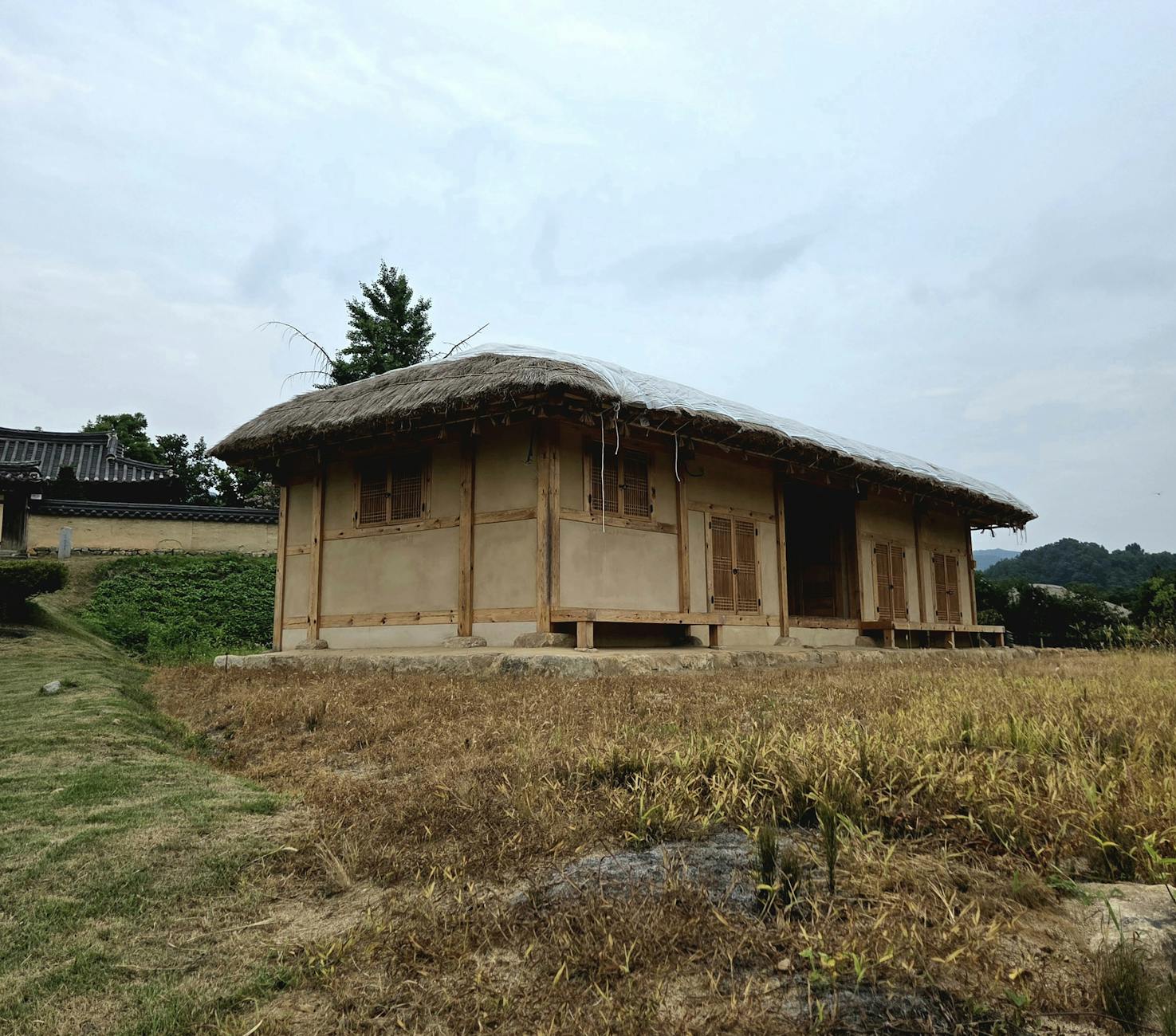
Japanese Prime Minister Sanae Takaichi’s reciprocal visit to South Korea on May 19-20, 2026, meeting President Lee Jae-myung in his hometown of Andong, marks a significant intensification of bilateral engagement. This follows Takaichi’s January summit with Lee in Nara, establishing a pattern of shuttle diplomacy that reflects a genuine shift in how Tokyo and Seoul prioritize their relationship. Yet beneath the warming atmospherics and state-level courtesies lies a persistent strategic divergence that neither leader’s diplomatic skill nor shared democratic values can entirely resolve.
The renewed Japan-South Korea engagement occurs against a backdrop of acute regional instability. China’s assertiveness, Russian activities in Northeast Asia, and North Korea’s weapons development create genuine incentives for Tokyo and Seoul to coordinate policy. Both nations are U.S. allies facing pressure from President Donald Trump’s administration to increase defense spending and accept higher tariff levels. These external pressures have catalyzed a pragmatic recalibration of bilateral relations that transcends the historical animosities and ideological differences that typically characterize the relationship.
The composition of current leadership itself merits analytical attention. Takaichi represents the hawkish wing of the Liberal Democratic Party (LDP) and has explicitly committed to continuing the legacy of former Prime Minister Shinzo Abe, Japan’s most assertive postwar leader on security matters. Lee, conversely, comes from South Korea’s Democratic Party—a progressive political tradition historically associated with greater accommodation toward North Korea and more cautious approaches to Japan. This pairing would have seemed unlikely to produce substantive cooperation even five years ago.
Yet Lee has demonstrated pragmatism rather than ideological rigidity. Rather than pursuing the conciliatory North Korea policies that his party background might suggest, Lee has moved closer to Japan’s strategic position. Takaichi has reciprocated this flexibility. This mutual accommodation suggests both leaders recognize that regional security challenges transcend partisan divisions and that bilateral cooperation serves their respective national interests more effectively than rhetorical posturing.
Critically, Seoul’s treatment of Japanese leadership—offering Takaichi the same state-guest level reception it extended to former Prime Minister Shigeru Ishiba in September 2025—signals institutional commitment rather than personal preference. This consistency indicates South Korea has elevated Japan to strategic priority status regardless of which faction controls Tokyo’s government.
An often-overlooked foundation for improved Japan-South Korea relations is the dramatic shift in public attitudes, particularly among younger populations. Young Japanese and South Koreans now hold broadly positive views of each other—a reversal driven substantially by cultural exports. Japanese anime and South Korean K-pop have created sustained exposure and familiarity that older generations, shaped by historical grievances, lack. This generational soft power effect creates political space for leaders to pursue cooperation without domestic backlash.
Both Takaichi and Lee recognize this opportunity and are moving deliberately to capitalize on it. The symbolism of summit meetings in each other’s hometowns—Nara and Andong—reinforces the personal dimension of the relationship while acknowledging the cultural resonance these locations hold. This is strategic messaging directed as much at domestic audiences as at diplomatic counterparts.
The May 2026 summit advanced concrete cooperation on energy security, addressing a tangible vulnerability both nations share. Japan’s dependence on energy imports and South Korea’s similar exposure create natural alignment on diversifying supply sources and securing energy infrastructure. This represents the type of functional cooperation that can survive political fluctuations.
Japan’s emphasis on the U.S.-Japan-South Korea trilateral framework reflects Tokyo’s preference for institutionalizing cooperation within American security architecture. This approach has merit: it leverages Washington’s interest in Northeast Asian stability and provides formal mechanisms for coordination. However, Seoul’s simultaneous push for Japan-China-South Korea cooperation reflects South Korea’s geographic reality. The Korean Peninsula’s proximity to China and the economic interdependence between Seoul and Beijing create structural incentives for trilateral engagement that Japan, with greater strategic distance from China, does not share as acutely.
The most revealing divergence emerged in how Takaichi and Lee framed the North Korea challenge. Takaichi emphasized “complete denuclearization” and the “immediate resolution of the abduction issue”—Japan’s core security concern. Lee spoke of “a peaceful Korean Peninsula where there is no need to fight” and “building permanent peace through dialogue.” These formulations are not merely rhetorical variations; they reflect fundamentally different strategic positions.
For South Korea, the Korean Peninsula represents an existential concern. Seoul’s 50 million citizens live within artillery range of North Korea’s 1.2 million-strong military. Any conflict would devastate the South Korean economy and potentially destroy Seoul itself. This geographic reality makes Seoul’s preference for dialogue-based approaches rational, even if denuclearization remains a stated objective. For Japan, North Korea is a serious threat—but one separated by the Korea Strait. Japanese security concerns center on ballistic missiles and nuclear weapons, not the immediate existential threat that Seoul faces.
The abduction issue exemplifies this divergence. Japan has maintained zero trade with North Korea since 2010, driven by public anger over the state-sponsored abduction of Japanese citizens in the 1970s and 1980s. Tokyo has repeatedly requested Seoul’s cooperation in pressuring Pyongyang on this issue. Yet successive South Korean administrations—both conservative and progressive—have declined to make serious policy adjustments.
The historical record is instructive. When Japan imposed its trade embargo in 2010, South Korea was led by conservative President Lee Myung-bak. Despite this conservative orientation, substantial foreign currency continued flowing to North Korea through the Kaesong Industrial Complex. This pattern persisted even after the March 2010 sinking of the Cheonan, a South Korean naval patrol vessel that killed 46 sailors, and the November 2010 North Korean shelling of Yeonpyeong Island that killed four additional South Koreans. The conservative Park Geun-hye administration maintained this approach; Kaesong operations continued until February 2016.
This history demonstrates that South Korea’s North Korea policy reflects structural geographic and economic realities rather than ideological preference. Progressive administrations may articulate more conciliatory rhetoric, but conservative governments have proven equally unwilling to align fully with Japan’s zero-engagement approach. Seoul’s economic and security calculus simply differs from Tokyo’s.
The warming Japan-South Korea relationship is genuine and strategically significant. Both nations benefit from coordination on energy security, defense spending responses to American pressure, and trilateral cooperation within the U.S. alliance framework. The generational shift in public attitudes provides political sustainability for this engagement. Takaichi and Lee have demonstrated willingness to prioritize pragmatism over ideological positioning.
However, the North Korea issue will remain a persistent constraint on bilateral alignment. South Korea’s geographic and economic position creates incentives for engagement with Pyongyang that Japan cannot share. Japan’s responsibility for resolving the abduction issue—a matter concerning the lives of Japanese citizens—ultimately rests with Tokyo, not Seoul. Tokyo must pursue independent diplomatic channels with North Korea while maintaining cooperative relationships with Seoul, recognizing that Seoul’s calculus will always differ from Japan’s on this issue.
The most realistic assessment is that Japan-South Korea cooperation will deepen on shared security challenges where interests align—China’s assertiveness, Russia’s activities, American alliance management, and energy security. On North Korea, however, both nations should expect continued tactical divergence despite strategic goodwill. Managing this relationship effectively requires acknowledging these structural limits rather than assuming that closer diplomatic engagement can eliminate them.