Physical Address
304 North Cardinal St.
Dorchester Center, MA 02124
Physical Address
304 North Cardinal St.
Dorchester Center, MA 02124
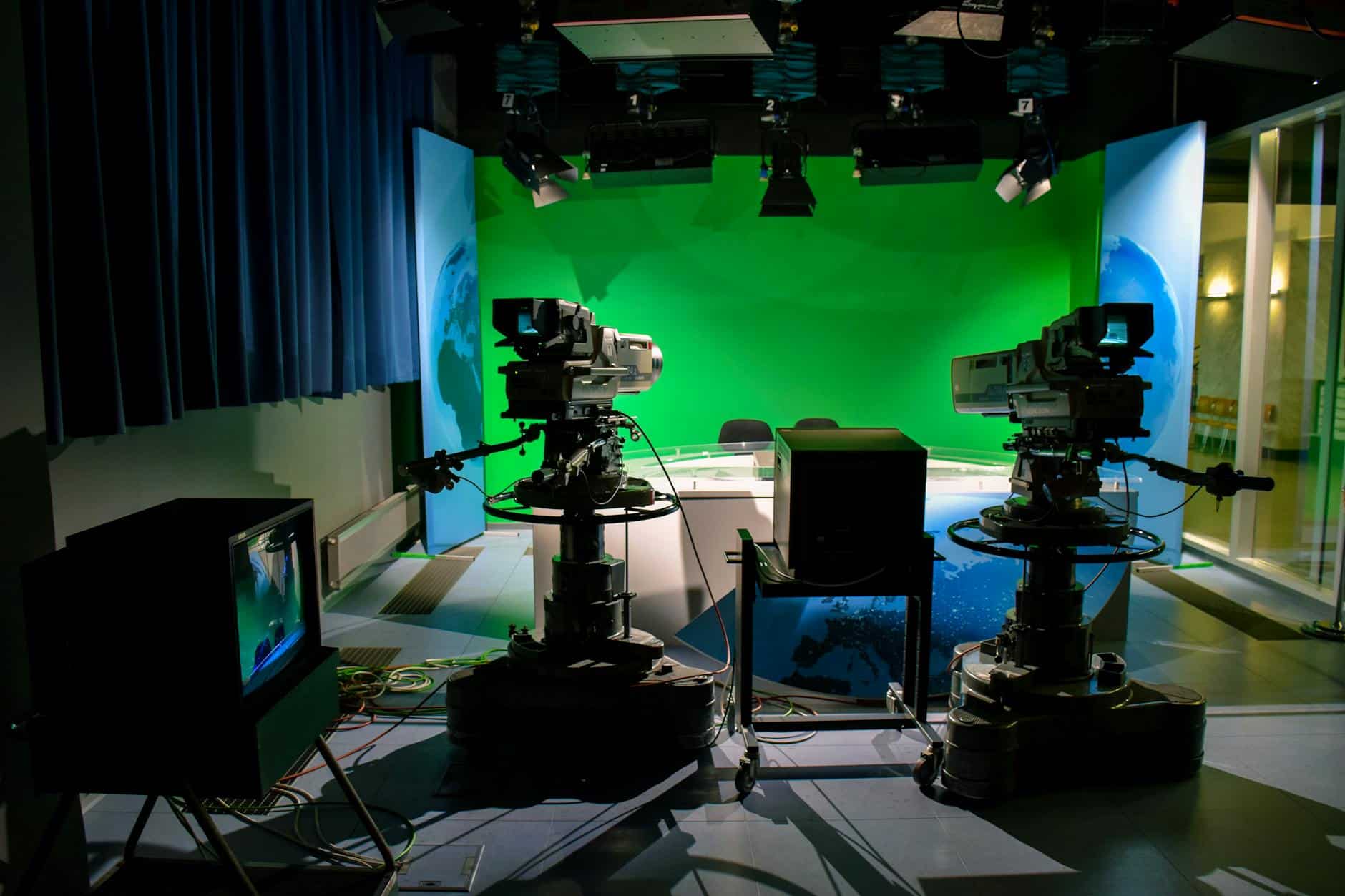
China's state broadcaster CCTV strategically frames coverage of Iran's internal crises to serve Beijing's geopolitical interests and reinforce authoritarian governance narratives. This analysis examines how state-controlled media functions as a tool of foreign policy and great power competition.
China’s state-controlled media apparatus, particularly China Central Television (CCTV), functions as a critical instrument of foreign policy rather than an independent news organisation. The coverage of Iran’s domestic upheaval—including the 2022-2023 protests following Mahsa Amini’s death and subsequent unrest—reveals how Beijing strategically frames international events to serve its broader geopolitical interests. This approach extends beyond simple news reporting; it represents a deliberate effort to align Chinese public discourse with state objectives while simultaneously supporting allied regimes.
The relationship between CCTV’s editorial choices and China’s strategic positioning in the Middle East demonstrates how authoritarian states weaponise media infrastructure to project soft power and maintain regional alliances. Understanding these mechanisms is essential for analysts assessing China’s influence operations and its approach to managing narratives in contested geopolitical spaces.
CCTV’s primetime news broadcasts function as direct extensions of Chinese Communist Party policy rather than platforms for independent journalism. When covering Iran’s internal instability, the broadcaster consistently adopted framing that minimised the scale of public dissent, questioned the legitimacy of protest movements, and emphasised external interference narratives—particularly allegations of Western manipulation.
This editorial approach serves multiple strategic purposes for Beijing. First, it reinforces China’s rhetorical alignment with Iran as a strategic partner within the Shanghai Cooperation Organisation (SCO) and broader anti-Western coalition. Second, it demonstrates to domestic Chinese audiences that challenges to authoritarian governance are externally orchestrated rather than expressions of genuine popular grievance—a message directly relevant to Beijing’s own domestic security concerns. Third, it signals to the Iranian leadership that China will provide media cover and narrative support during periods of internal instability.
The consistency of this framing across CCTV’s programming suggests coordinated editorial direction from state authorities rather than independent journalistic decisions by individual reporters or producers.
CCTV’s coverage employed specific linguistic and framing choices designed to resonate with Chinese strategic priorities. Protests in Iran were frequently characterised as “colour revolutions” or externally-sponsored destabilisation attempts—terminology that echoes Chinese state discourse about threats to regional stability and sovereignty. This language connects Iran’s domestic challenges to broader Chinese concerns about Western interventionism in its sphere of influence.
By packaging Iran’s internal crisis through this interpretive lens, CCTV accomplished several objectives simultaneously: it provided rhetorical support to the Iranian regime by delegitimising domestic opposition, it reinforced Chinese audiences’ understanding of geopolitical competition as inherently adversarial, and it positioned China as a stabilising force aligned with other non-Western powers against destabilising external actors.
The broadcaster notably avoided detailed coverage of the specific grievances driving Iranian protests—economic hardship, gender-based violence, and restrictions on civil liberties—instead focusing on alleged foreign interference and the threat posed by destabilisation to regional security. This selective emphasis reveals how state media serves state interests rather than public information needs.
China’s media support for Iran during periods of internal crisis reflects the deepening strategic partnership between Beijing and Tehran. The January 2016 Joint Comprehensive Plan of Action (JCPOA) negotiations and subsequent sanctions relief created economic opportunities for Chinese investment in Iran, particularly in energy infrastructure and industrial projects. Media narratives that delegitimise opposition to the Iranian regime serve to protect these investments by implicitly endorsing regime stability and continuity.
CCTV’s framing also signals to the Iranian leadership that China will provide diplomatic and narrative cover during moments of vulnerability. This represents an implicit commitment that extends beyond formal treaties—it demonstrates willingness to mobilise state media infrastructure to support allied regimes. For Tehran, this provides reassurance that internal challenges will not be exploited by Beijing to extract concessions or shift the terms of their partnership.
The media relationship also reflects mutual authoritarian interests. Both Beijing and Tehran face domestic legitimacy challenges and external criticism regarding governance practices. By supporting aligned narratives about external interference and Western destabilisation, both states reinforce their domestic messaging and create a shared rhetorical framework that positions their governance models as defensive rather than repressive.
CCTV’s approach to Iran coverage is not anomalous but rather reflects systematic patterns in how Chinese state media handles international crises involving strategic partners or competitors. Similar framing has appeared in coverage of protests in Hong Kong, Myanmar, and Venezuela—all instances where Chinese interests aligned with regime preservation narratives.
This consistency indicates that editorial decisions at CCTV receive guidance from higher state authorities, likely including the Propaganda Department of the Communist Party Central Committee and the Ministry of Foreign Affairs. The broadcaster operates as a coordinated instrument of state policy rather than an autonomous media organisation.
The strategic utility of state media control explains why China has invested heavily in maintaining monopolistic control over domestic broadcasting while simultaneously expanding international media platforms like CGTN (China Global Television Network). These investments reflect recognition that narrative control represents a critical dimension of geopolitical competition.
China’s deployment of state media to frame narratives around Iran’s internal crises exemplifies how authoritarian powers integrate information operations into broader geopolitical strategies. CCTV’s coverage demonstrates that media narratives are not peripheral to international relations but rather constitute a central mechanism through which states project power, maintain alliances, and shape domestic and international perceptions.
For policymakers in democratic states, understanding these mechanisms is essential for developing effective counter-narratives and protecting information ecosystems from state-sponsored disinformation. The Iranian case illustrates how strategic partnerships between authoritarian regimes extend into the information domain, creating coordinated approaches to delegitimising opposition and framing geopolitical competition.
As great power competition intensifies, the role of state-controlled media in projecting influence will likely expand. China’s model—combining domestic media monopoly with international broadcasting expansion—represents a systematic approach to information dominance that democracies must actively counter through transparency, media literacy, and commitment to independent journalism.