Physical Address
304 North Cardinal St.
Dorchester Center, MA 02124
Physical Address
304 North Cardinal St.
Dorchester Center, MA 02124
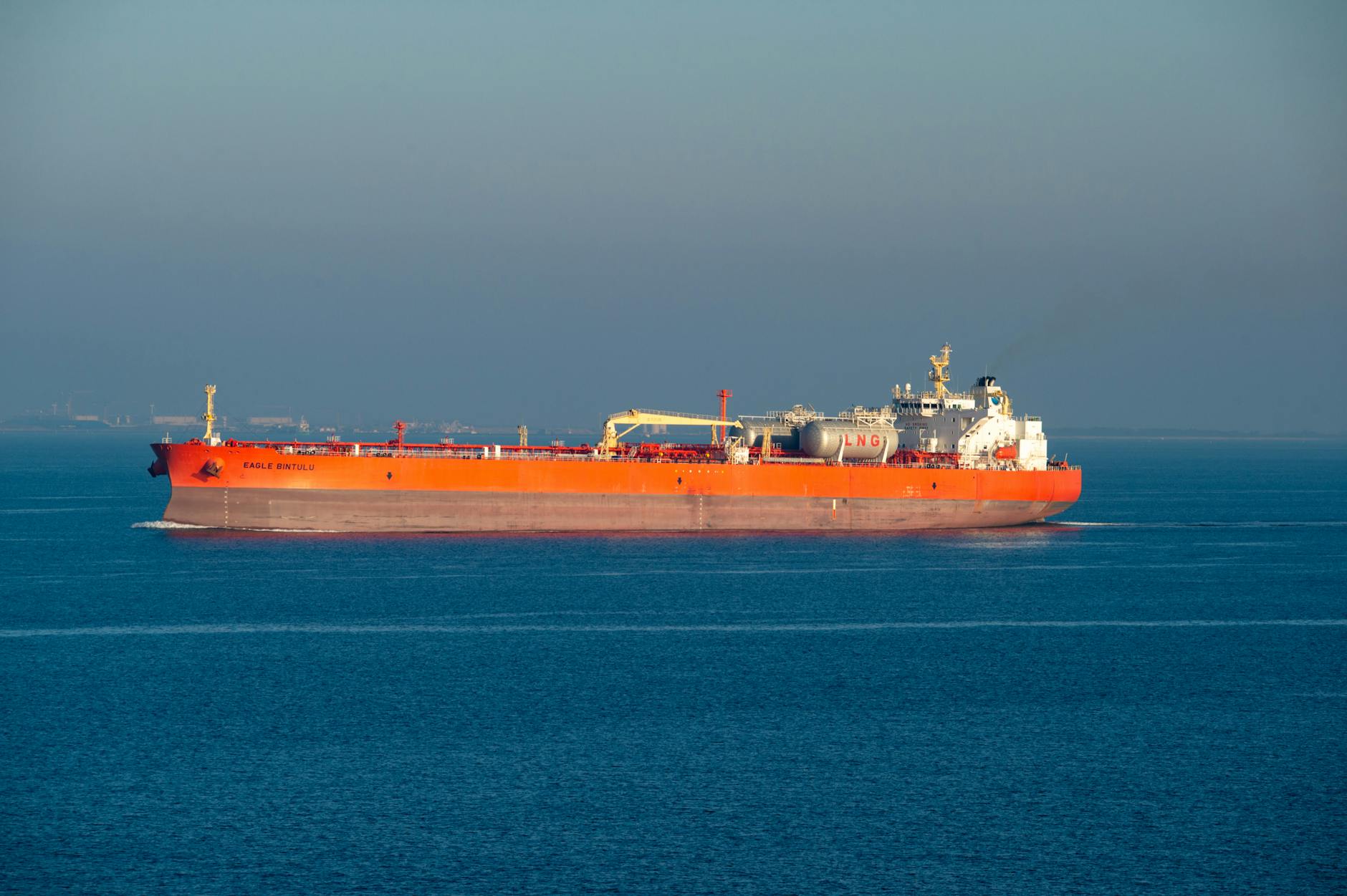
Middle East escalation between Iran and Israel directly threatens Indo-Pacific energy security, strains alliance cohesion, and reshapes military positioning. Australia, Japan, and India face immediate vulnerabilities in energy supplies, defence budgets, and strategic partnerships.
The escalating Iran-Israel conflict represents far more than a regional Middle Eastern dispute. For Indo-Pacific policymakers, the strategic consequences extend across energy markets, military posturing, and alliance architecture in ways that directly challenge regional stability and economic resilience. The geographic distance between the Persian Gulf and the Asia-Pacific masks a critical reality: disruptions to global energy supplies, shifts in great power positioning, and emerging fissures within established security partnerships are already reshaping calculations from Tokyo to New Delhi to Canberra.
The Indo-Pacific remains acutely dependent on energy flows through the Strait of Hormuz, through which approximately 21 percent of global petroleum passes annually. For Australia, Japan, South Korea, and India—the region’s major energy importers—any sustained disruption to Middle Eastern oil and liquefied natural gas (LNG) supplies carries immediate economic consequences. Australia itself is the world’s largest LNG exporter, yet remains vulnerable to price volatility triggered by Middle Eastern instability.
Iran’s stated capacity to disrupt shipping in the Persian Gulf and Strait of Hormuz is not rhetorical posturing. During the 2019 tanker attacks, regional oil prices spiked and shipping insurance costs surged within hours. A sustained conflict scenario would force Asian energy importers to activate strategic petroleum reserves, redirect supply chains toward alternative sources (including higher-cost Australian and North American suppliers), and absorb significant price premiums. Japan, which sources approximately 80 percent of its oil from the Middle East, faces particular exposure. South Korea’s energy import dependency is similarly acute at around 92 percent of petroleum consumption sourced externally.
For Australia’s economy, the implications operate on multiple levels. While Australian LNG exports benefit from elevated global prices, domestic energy-intensive industries—particularly aluminum smelting and fertilizer production—face margin compression. More strategically, energy price shocks constrain fiscal capacity precisely when regional defence spending is accelerating. Australia’s $575 billion defence spending commitment over the next decade assumes relatively stable energy costs; significant volatility introduces budgetary friction.
The Iran-Israel escalation exposes fundamental fissures within Indo-Pacific alliance structures. The United States maintains simultaneous security commitments to Israel and to regional partners—Japan, South Korea, Australia, and the Philippines—whose own Middle East policies diverge substantially from Washington’s Iran posture.
India presents the most instructive case. New Delhi maintains significant energy relationships with Iran, purchasing approximately 600,000 barrels of Iranian crude oil daily before US sanctions tightened supply, while simultaneously deepening its Quad partnership with the United States, Japan, and Australia. Any escalation that forces India to choose between its Iran energy interests and its US strategic alignment creates pressure on Quad cohesion precisely when the grouping is attempting to establish itself as the Indo-Pacific’s primary stability mechanism.
Australia faces a related but distinct tension. Canberra’s strategic alignment with Washington is unambiguous, yet Australian policymakers recognize that regional stability—particularly involving China’s positioning on Middle East conflicts—requires maintaining dialogue channels with Tehran. Australia’s 2023 pivot toward greater Indo-Pacific defence autonomy becomes more complex if regional conflicts force binary alliance choices.
Japan and South Korea, both historically aligned with US Middle East policy but increasingly focused on their own regional security challenges from North Korea and China, may prioritize energy security over alliance cohesion if conflict escalation threatens supplies. South Korea’s decision to maintain limited diplomatic presence in Iran despite US pressure reflects this calculus.
Beijing’s response to Iran-Israel escalation warrants close analytical attention. China’s 2016 strategic partnership with Iran, formalized through a 25-year comprehensive cooperation agreement, positions Beijing as Tehran’s primary economic lifeline despite US sanctions. Chinese entities control significant stakes in Iranian oil production and petrochemical infrastructure. Simultaneously, China maintains substantial economic interests in the Gulf monarchies and Israel, creating a strategic flexibility that Western powers lack.
In the Indo-Pacific context, Chinese positioning on Middle East conflicts directly influences regional alignment patterns. If China emerges as a stabilizing voice between Iran and Israel—or conversely, if Beijing leverages the conflict to deepen ties with Tehran—the implications for Quad unity and broader Indo-Pacific security architecture are substantial. China’s Belt and Road Initiative investments across the region mean that energy disruptions or conflict escalation affecting Middle Eastern partners simultaneously affects Chinese economic interests and influence in the Indo-Pacific.
Escalation between Iran and Israel inevitably affects military procurement patterns and strategic doctrine across the Indo-Pacific. Increased US military presence in the Middle East diverts assets from Indo-Pacific positioning, creating a window that regional actors—particularly China—can exploit. The US Navy’s carrier strike groups committed to the Persian Gulf represent force that could otherwise support Taiwan contingency planning or freedom of navigation operations in the South China Sea.
Simultaneously, Iran-Israel tensions drive Indo-Pacific defence spending acceleration. Japan’s 2024 defence budget increase to 3.6 percent of GDP, South Korea’s expanded missile defence systems, and Australia’s accelerated nuclear submarine acquisition are partly responses to perceived regional security vacuums created by US Middle East commitments. These spending decisions, while strategically rational, create their own destabilizing dynamics as China responds to perceived encirclement.
The Iran-Israel conflict represents a test case for Indo-Pacific strategic autonomy. The region can no longer assume that great power conflicts remain geographically contained. Energy security, alliance management, and military posturing now operate on genuinely interconnected global systems.
For Australia specifically, the strategic imperative involves three elements: First, accelerating domestic energy diversification and renewable infrastructure to reduce Middle East dependency. Second, deepening Quad coordination mechanisms to manage alliance tensions when member states face conflicting interests. Third, maintaining sufficient diplomatic flexibility to support regional stability without abandoning core strategic partnerships.
The fundamental assessment is this: Middle East escalation will continue shaping Indo-Pacific strategy not because the region is inherently unstable, but because energy interdependence, military-to-military relationships, and great power competition have created genuine strategic linkages. Policymakers who treat Middle East conflicts as peripheral to Indo-Pacific strategy will be strategically surprised.