Physical Address
304 North Cardinal St.
Dorchester Center, MA 02124
Physical Address
304 North Cardinal St.
Dorchester Center, MA 02124

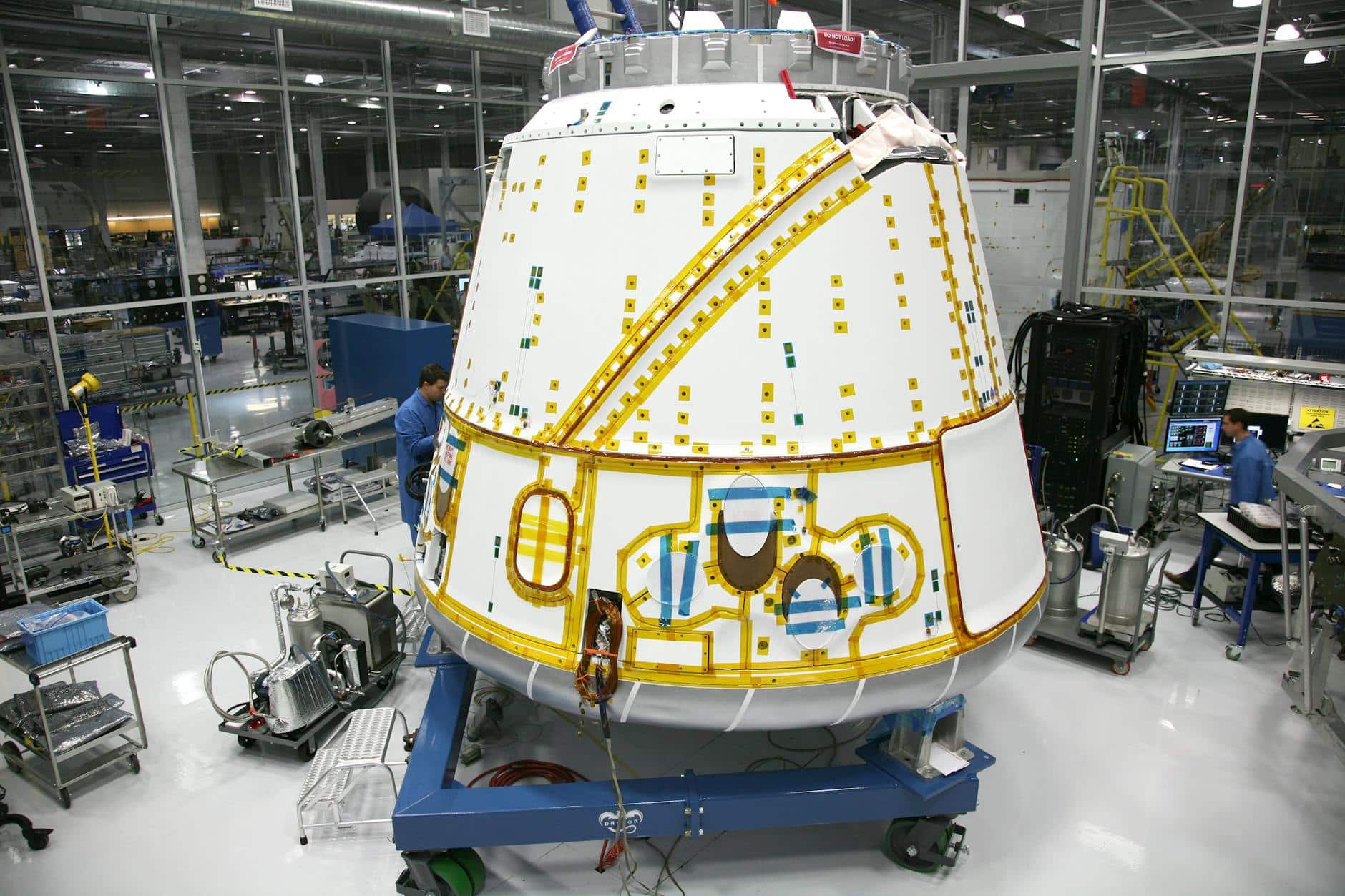
India is strategically nurturing private deep tech startups to transform its space capabilities and reduce reliance on foreign satellite systems. This state-supported commercialisation approach reshapes India's technological sovereignty and regional power dynamics across the Indo-Pacific.
India’s space ambitions are undergoing a fundamental transformation. Rather than relying exclusively on the Indian Space Research Organisation (ISRO), New Delhi is now actively cultivating a private deep tech startup ecosystem designed to accelerate satellite deployment, launch capabilities, and space-based services. This strategic reorientation reflects a broader recognition that state monopolies alone cannot sustain India’s competitive position in an increasingly commercialised global space economy—one where the United States, China, and European nations have already established dominant private sectors.
The shift carries significant implications for India’s regional standing, technological sovereignty, and economic growth. As India’s private space sector matures, it will reshape India’s capacity to project power through space-based surveillance, communications, and navigation systems—capabilities that directly influence strategic competition across the Indo-Pacific.
India’s government has created a deliberate policy framework to nurture private space companies. The Department of Space and ISRO have established mechanisms to license private operators, share technical expertise, and provide access to critical infrastructure. This represents a departure from India’s historically state-centric space posture, where ISRO maintained near-monopolistic control over all space activities.
Key institutional changes include:
This collaborative model differs markedly from purely privatised approaches. Rather than withdrawing from space activities, the Indian state remains actively involved as a technology provider, infrastructure landlord, and strategic anchor customer—ensuring alignment between commercial incentives and national security objectives.
India’s emerging private space sector is concentrating on high-value segments where India currently lags behind competitors: small satellite manufacturing, dedicated launch vehicles, and space-based data services. Companies such as Skyroot Aerospace and Agnikul Cosmos are developing indigenous launch platforms, while firms like Pixxel and Astrome are building Earth observation and communications satellite constellations.
These ventures address a critical strategic gap. India’s reliance on foreign satellite imagery and communications services creates vulnerability during geopolitical tensions. The 2020 India-China border conflict underscored this dependency—India lacked rapid, independent access to high-resolution surveillance imagery of disputed border regions, forcing reliance on commercial providers or allied intelligence services.
Private Indian startups are now developing constellation-based systems that would provide persistent, indigenous surveillance and communications coverage. A mature Indian commercial satellite industry would enable:
India’s space startup ecosystem remains nascent compared to SpaceX, Blue Origin, or emerging Chinese commercial operators. However, the sector is attracting significant venture capital investment—exceeding $300 million in recent years—and has attracted interest from Indian institutional investors, including the State Bank of India and Life Insurance Corporation of India.
This capital influx reflects confidence that India’s cost advantages and technical talent can compete globally. Indian engineers command lower salaries than US or European counterparts, while India’s manufacturing ecosystem offers supply chain efficiencies. These factors position Indian startups to undercut pricing on launch services and satellite manufacturing—potentially capturing market share across Southeast Asia, South Asia, and the broader Indo-Pacific.
However, India faces competitive pressure from China’s rapidly maturing commercial space sector, which benefits from state subsidies, preferential access to launch infrastructure, and integration with China’s Belt and Road Initiative. Chinese companies are already marketing launch services and satellite systems across the Indo-Pacific, establishing technological dependencies that advance Beijing’s strategic interests.
India’s space sector development intersects with broader Indo-Pacific strategic competition. Space-based capabilities underpin modern military operations, surveillance, communications, and navigation. A capable Indian commercial space sector strengthens India’s ability to operate independently across the Indian Ocean and wider Indo-Pacific, reducing reliance on allied intelligence and communications infrastructure.
For the Quad alliance (Australia, India, Japan, United States), India’s emerging space capabilities enhance collective resilience. Indian satellite systems could provide redundancy for US-dominated surveillance networks, while Indian launch capacity diversifies Western dependence on limited launch providers. India’s geographic position in the Indian Ocean also makes Indian space infrastructure valuable for regional partners seeking surveillance and communications coverage.
Conversely, India’s space ambitions may accelerate strategic competition with China. Beijing views space dominance as central to 21st-century great power competition and has invested heavily in anti-satellite weapons, space situational awareness, and commercial launch capacity. An assertive Indian space sector could trigger Chinese countermeasures and escalate space-domain tensions.
India’s state-supported private space sector is transitioning from experimental phase to operational maturity. Over the next 5-10 years, expect:
India’s space ambitions reflect a broader recognition that technological sovereignty requires private-sector dynamism coupled with strategic state direction. Success will enhance India’s regional standing, reduce strategic vulnerabilities, and position India as a credible technology provider across the Indo-Pacific—advancing New Delhi’s strategic interests in an era of intensifying great-power competition.