Physical Address
304 North Cardinal St.
Dorchester Center, MA 02124
Physical Address
304 North Cardinal St.
Dorchester Center, MA 02124

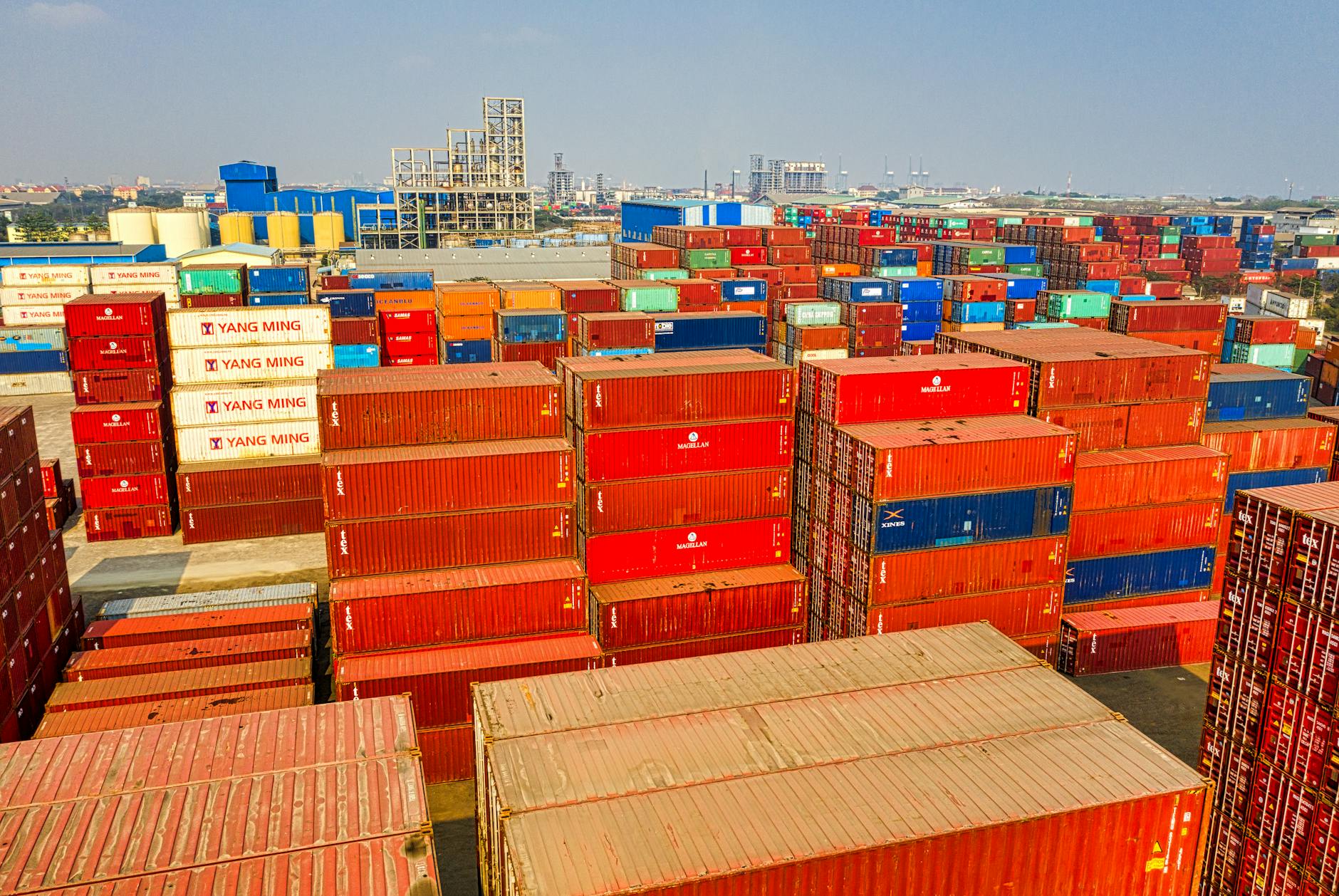
Sixteen years after implementation, Indonesia's trade deficit with China has widened dramatically under ACFTA, revealing structural asymmetries in the agreement that have favoured Chinese manufacturers while constraining Indonesian industrial development. This pattern has reshaped Jakarta's approach to trade negotiations and regional economic strategy.
The ASEAN-China Free Trade Agreement (ACFTA), which entered into force in 2005, was designed to facilitate regional economic integration and create mutual prosperity across Southeast Asia. Sixteen years after its implementation, the evidence suggests a markedly asymmetrical outcome for Indonesia, Southeast Asia’s largest economy by GDP. Rather than producing the balanced reciprocal gains promised by proponents of the agreement, ACFTA has coincided with a widening trade deficit for Jakarta, raising critical questions about the strategic design of regional trade frameworks and Indonesia’s negotiating position within them.
This structural imbalance reflects broader patterns in Indonesia’s trade relationships and raises implications for how Jakarta approaches future economic partnerships, particularly as it navigates competing interests from China, the United States, India, and the European Union.
ACFTA’s implementation schedule created differential tariff reduction timelines across product categories, with particular advantages for Chinese manufacturers in sectors where China held competitive advantages. Chinese exporters of machinery, electronics, textiles, and chemical products faced declining tariff barriers into Indonesian markets, while Indonesian commodity exporters—particularly in palm oil, rubber, and agricultural products—encountered more gradual tariff reductions in Chinese markets or faced non-tariff barriers including standards compliance requirements and domestic subsidies protecting Chinese producers.
The agreement’s rules of origin provisions, which determine which products qualify for preferential tariff treatment, were structured in ways that often benefited integrated supply chains anchored in China rather than promoting genuine ASEAN industrial development. This reflected China’s already-dominant position in regional manufacturing networks by 2005, a position that has only strengthened in the intervening years.
Indonesia’s trade deficit with China under ACFTA expanded from approximately $5 billion annually in the mid-2000s to over $30 billion by 2020, representing one of the largest bilateral deficits Indonesia maintains. This trajectory contradicts the stated objective of the agreement to create balanced commercial relationships and suggests that Indonesia’s negotiating team may have underestimated the structural competitive advantages China possessed in manufacturing-intensive sectors.
ACFTA’s impact has been highly uneven across Indonesia’s economic sectors. Chinese imports of finished manufactured goods—particularly in consumer electronics, automotive components, machinery, and appliances—have displaced domestic Indonesian producers and regional competitors. Indonesian firms in these sectors have struggled to compete against Chinese manufacturers benefiting from economies of scale, lower labour costs, and integrated supply chains.
Conversely, Indonesian commodity exporters, particularly in palm oil and mineral products, have experienced mixed outcomes. While market access to China improved nominally under ACFTA, Chinese demand for these products is driven primarily by broader macroeconomic factors and Chinese industrial policy rather than tariff reductions. China’s domestic agricultural protections and state-directed purchasing patterns mean that tariff concessions have not translated into proportional increases in Indonesian agricultural exports.
The manufacturing sector, which Indonesian policymakers had hoped would benefit from ACFTA through improved access to Chinese markets and potential technology transfer, has instead experienced net losses. Indonesian manufacturing exports to China remain concentrated in raw materials and intermediate products rather than finished goods, indicating limited industrial upgrading or value-chain advancement over the 16-year period.
Indonesia’s experience under ACFTA reflects a broader strategic challenge facing large developing economies negotiating with China. When ACFTA was negotiated in the early 2000s, China’s manufacturing dominance was already evident, yet the agreement was structured with assumptions of convergence that proved unrealistic. Indonesia, as the largest ASEAN economy and a G20 member, might have been expected to secure more advantageous terms, yet the final agreement reflected China’s superior negotiating leverage and Indonesia’s desire to maintain political relationships within ASEAN and with Beijing.
The agreement also preceded China’s rise to its current position as the world’s second-largest economy and manufacturing superpower. The structural imbalances embedded in ACFTA have become more pronounced as China’s competitive advantages have widened, not narrowed. By the early 2020s, Chinese firms had moved further up value chains in electronics, renewable energy, and advanced manufacturing—sectors where tariff reduction under ACFTA provided direct competitive advantages against Indonesian producers.
Indonesia’s subsequent trade negotiations, including its participation in the Regional Comprehensive Economic Partnership (RCEP) signed in 2020, suggest Jakarta has learned from ACFTA’s asymmetries. RCEP included more sophisticated provisions on trade remedies and rules of origin designed to prevent the concentration of benefits observed under ACFTA, though questions remain about whether these mechanisms will prove effective in practice.
The persistent trade deficit under ACFTA has created political pressure on successive Indonesian governments and has become a factor in domestic debates about China policy. Business associations representing Indonesian manufacturers have called for greater use of safeguard measures and technical standards to limit Chinese import surges, though such measures risk triggering disputes under ACFTA’s dispute resolution mechanisms.
The ACFTA experience has also informed Indonesia’s approach to other trade relationships. Jakarta has pursued diversification of trading partners, including through the Indonesia-Australia Comprehensive Economic Partnership Agreement and closer engagement with India and the European Union. These initiatives reflect a deliberate strategy to reduce economic dependence on China and to balance Beijing’s influence through multiple trading relationships.
For policymakers in Jakarta, the ACFTA case study demonstrates the importance of sector-specific analysis in trade negotiations and the risks of accepting frameworks that benefit trading partners with already-dominant competitive positions. The agreement’s asymmetrical outcomes have constrained Indonesia’s policy flexibility—any attempt to address the trade deficit through tariff increases or non-tariff barriers risks legal challenges under ACFTA’s dispute provisions, limiting Jakarta’s ability to protect domestic industries.
As ACFTA enters its third decade, Indonesia faces the question of whether to pursue renegotiation of key provisions or to accept the status quo while building offsetting relationships. China has shown limited interest in renegotiating ACFTA in ways that would reduce its competitive advantages, and any Indonesian attempt to do so would require coordination with other ASEAN members facing similar imbalances.
The more realistic path forward involves Indonesia leveraging its position within ASEAN and its relationships with other major powers to ensure that future trade agreements—whether bilateral arrangements or regional frameworks—incorporate safeguards against the kind of structural asymmetry that has characterized ACFTA. This includes insisting on meaningful rules of origin provisions that promote genuine ASEAN industrial development, graduated tariff reduction schedules that account for competitive disparities, and robust trade remedy mechanisms that allow member states to address import surges.
Indonesia’s experience under ACFTA ultimately reflects a broader reality: trade agreements between economies at different stages of development and with different competitive advantages do not automatically produce balanced outcomes. The agreement’s architects assumed convergence and mutual benefit, but sixteen years of evidence suggests that without deliberate provisions to address structural asymmetries, free trade frameworks can entrench rather than reduce economic inequalities between trading partners. For Indonesia and other developing economies in the Indo-Pacific, this lesson carries direct implications for how they approach the next generation of regional economic architecture.