Physical Address
304 North Cardinal St.
Dorchester Center, MA 02124
Physical Address
304 North Cardinal St.
Dorchester Center, MA 02124
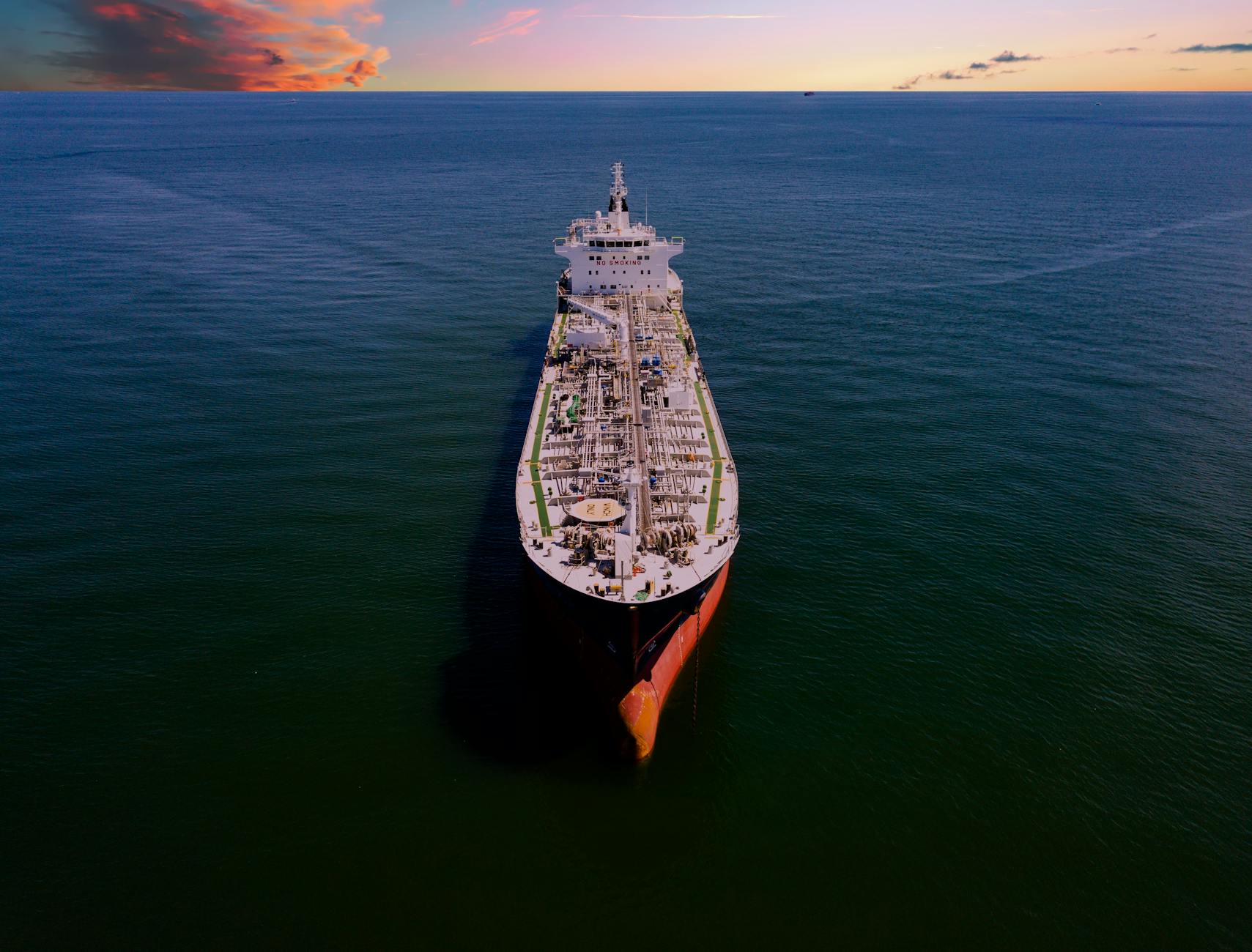
Japanese Foreign Minister Sanae Takaichi secured US President Trump's confidence without deepening military commitments to Iran operations, demonstrating Tokyo's sophisticated approach to alliance management while prioritizing Indo-Pacific security.
Japanese Foreign Minister Sanae Takaichi’s second meeting with US President Donald Trump represents a critical inflection point in Japan’s approach to managing great power competition while preserving strategic autonomy. Rather than capitulating to pressure for expanded military commitments in volatile Middle Eastern conflicts, Takaichi demonstrated a sophisticated diplomatic strategy: securing Trump’s confidence and political support while maintaining Japan’s carefully calibrated position on regional security issues. This approach reflects Tokyo’s fundamental strategic challenge—deepening alliance ties with Washington while avoiding entanglement in conflicts that could undermine Japan’s own security priorities and regional standing.
The Iranian conflict presents Japan with a complex set of strategic dilemmas. As a US ally bound by the Japan-US Security Treaty, Tokyo faces implicit pressure to demonstrate solidarity with Washington’s Middle Eastern posture. However, Japan maintains significant economic interests in the Persian Gulf region and has historically pursued independent diplomatic channels with Iran. The region accounts for approximately 80% of Japan’s crude oil imports, making energy security a paramount concern that cannot be subordinated to alliance pressure alone.
Takaichi’s position reflected this tension. Rather than commit Japanese military assets or personnel to Iran-related operations, she focused on reassuring Trump of Japan’s broader alliance commitment while preserving Tokyo’s flexibility on this specific issue. This distinction—between alliance solidarity and specific operational involvement—proved crucial to her diplomatic success.
Trump’s approach to alliance management emphasizes visible reciprocity and public acknowledgment of allied support. His previous interactions with Japanese leadership had often featured demands for increased defense spending and security contributions. Takaichi’s achievement lay in reframing Japan’s value proposition to Trump without accepting the specific military commitments he might have sought regarding Iran.
By securing Trump’s public praise during their meeting, Takaichi accomplished several objectives simultaneously: she demonstrated to domestic Japanese audiences that she had successfully engaged with a demanding US president; she signaled to Trump that Japan remained a reliable partner; and she avoided creating domestic political vulnerabilities in Japan by overcommitting to Middle Eastern military operations. This represents textbook alliance management—delivering political benefits to the alliance partner while preserving strategic autonomy.
Japan’s reluctance to deepen military commitments in the Iran conflict must be understood within the context of its primary strategic focus: the Indo-Pacific region and particularly the challenge posed by China’s military modernization. Japan’s defense budget has increased substantially in recent years, with Tokyo committing to 2% of GDP by 2027—a significant shift from its historical 1% ceiling. These resources are predominantly allocated to maritime capabilities, air defense, and counter-hypersonic missile systems designed to address regional threats.
From Tokyo’s perspective, dispersing these capabilities or creating new operational commitments in the Middle East would dilute focus on the primary theater where Japanese security is most directly threatened. Takaichi’s diplomatic approach implicitly communicated this prioritization to Trump while maintaining the appearance of alliance solidarity.
Japan’s cautious approach to Middle Eastern military involvement reflects historical lessons. Japan’s participation in Iraq from 2003-2009, though limited to non-combat roles, generated significant domestic political controversy and failed to produce strategic benefits commensurate with the reputational costs. This experience has made Japanese policymakers more circumspect about open-ended military commitments in regions where Japan lacks direct security interests.
Takaichi’s success in avoiding concrete Iran commitments while earning Trump’s approval suggests that the US president may be more flexible on specific operational issues than his rhetoric sometimes implies, provided allies demonstrate commitment on broader alliance frameworks and defense spending. This creates a template for other US allies managing similar pressures.
The Takaichi-Trump meeting illustrates how alliance relationships in the Indo-Pacific can evolve under pressure from competing strategic priorities and shifting US political leadership. Japan’s approach—emphasizing alliance solidarity while maintaining strategic selectivity—will likely become the model for other regional partners navigating similar tensions.
The critical question moving forward concerns whether this diplomatic equilibrium can be sustained. If the Iran situation escalates significantly or Trump increases pressure for specific military contributions, Japan may face harder choices. However, Takaichi’s demonstrated ability to satisfy Trump’s political requirements for alliance validation while preserving Japan’s strategic autonomy suggests Tokyo has developed effective tools for managing this relationship even under pressure.
For the broader Indo-Pacific region, Japan’s diplomatic success carries important implications. It demonstrates that alliance partners can maintain agency in their security relationships while remaining committed to the US-led order. This nuance—often lost in polarized debates about alignment and autonomy—may prove essential as regional powers navigate the complexities of great power competition over the coming years.