Physical Address
304 North Cardinal St.
Dorchester Center, MA 02124
Physical Address
304 North Cardinal St.
Dorchester Center, MA 02124

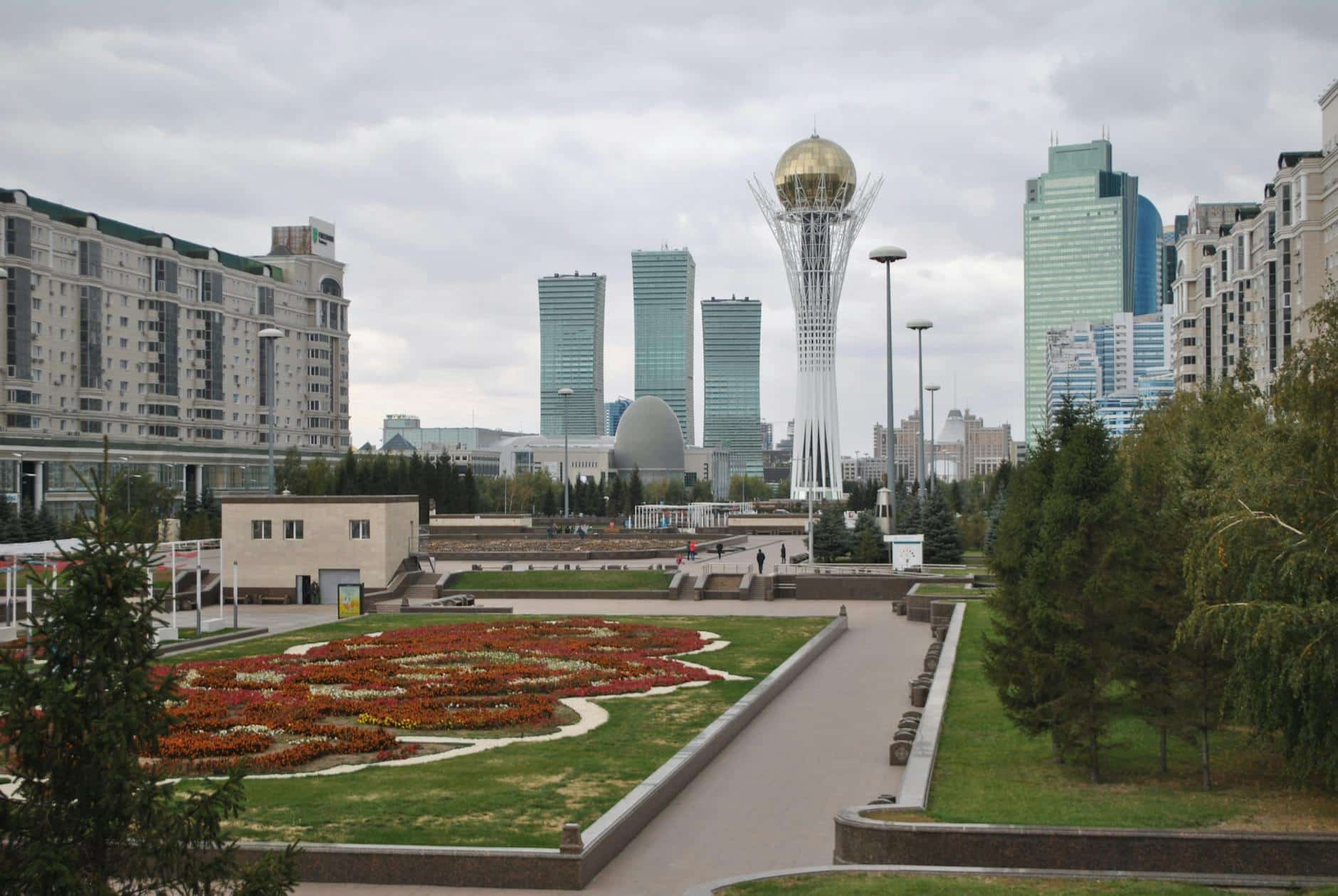
Kazakhstan's decision to extradite Russian activist Yulia Yemelyanova reflects Astana's strategic priority of maintaining stable relations with Moscow over providing refuge to Russian dissidents. This pattern reveals the constraints on Kazakhstan's foreign policy autonomy and has broader implications for regional security dynamics.
Kazakhstan faces a delicate diplomatic calculus in its handling of Russian political figures and activists who have fled to Central Asia. The recent case of Russian activist Yulia Yemelyanova—whose extradition Kazakhstan has moved to facilitate—illustrates Astana’s strategic preference for maintaining distance from individuals Moscow considers politically problematic. This pattern reflects Kazakhstan’s broader effort to avoid becoming a haven for Russian dissidents while simultaneously preserving its carefully calibrated relationship with the Kremlin.
Yemelyanova’s situation is emblematic of a wider trend. Kazakhstan has increasingly adopted extradition and deportation policies that prioritize stability in its relationship with Russia over providing asylum or protection to Russian nationals fleeing political persecution. This approach carries significant implications for regional security architecture, bilateral relations, and the broader question of how Central Asian states navigate pressure from a powerful neighbor.
The decision to pursue Yemelyanova’s extradition signals Kazakhstan’s willingness to comply with Russian requests regarding politically sensitive individuals. Yemelyanova, a Russian activist whose opposition activities have drawn Moscow’s attention, represents exactly the type of figure that Astana has determined poses too great a diplomatic cost to harbor. Rather than risk friction with Russia—Kazakhstan’s largest trading partner and security guarantor—the Kazakh government has opted for cooperation with Russian authorities.
This precedent matters considerably. Kazakhstan’s extradition framework, while formally neutral and based on legal procedures, operates within a political context where Russian preferences carry substantial weight. The willingness to extradite Yemelyanova suggests that future cases involving Russian political figures will likely follow a similar trajectory, establishing a de facto policy that discourages Russian dissidents from seeking refuge in Kazakhstan.
Kazakhstan’s position reflects its fundamental geopolitical constraint: dependence on Russia for security guarantees while simultaneously pursuing diversification and integration with Western institutions. Since independence in 1991, Kazakhstan has maintained membership in the Collective Security Treaty Organization (CSTO), a Russian-led military alliance, while also developing partnerships with NATO members and maintaining economic ties to Europe and Asia.
This balancing act became more precarious following Russia’s 2022 invasion of Ukraine. While Kazakhstan officially condemned the invasion and voted for UN resolutions critical of Russia, it has avoided implementing Western sanctions and has maintained pragmatic engagement with Moscow. In this context, decisions about Russian political fugitives take on heightened significance. Hosting prominent Russian activists could be interpreted as tacit support for anti-Kremlin positions—a signal Astana cannot afford to send.
President Kassym-Jomart Tokayev’s government has consistently emphasized Kazakhstan’s commitment to neutrality and non-alignment as core principles of foreign policy. Extraditing or deporting Russian dissidents aligns with this stated neutrality, though it effectively tilts the balance toward Russian interests. This apparent contradiction reveals the limits of Kazakhstan’s strategic autonomy when confronted with direct pressure from Moscow.
Yemelyanova’s case is not isolated. Kazakhstan has established a pattern of deportations and extraditions involving Russian nationals whom Moscow considers threats to state security. This pattern accelerated following the 2022 invasion, as Russia intensified efforts to locate and retrieve individuals it views as enemies of the state. The Kazakh government, rather than resisting these requests, has generally accommodated them through formal legal channels.
The implications extend beyond individual cases. By systematically cooperating with Russian extradition requests, Kazakhstan effectively closes itself off as a potential refuge for Russian political opponents. This has practical consequences: it narrows the geographic options available to Russian activists and dissidents seeking safety, potentially pushing them toward more distant locations in Europe or other regions. It also signals to Russia that Kazakhstan will not become a staging ground for anti-Moscow political activity.
Kazakhstan’s approach contrasts with some of its neighbors’ handling of similar situations. Kyrgyzstan and Tajikistan have occasionally provided temporary refuge to Russian dissidents, though neither country has formally granted asylum on a large scale. Georgia, while not a Central Asian state, has become a primary destination for Russians fleeing conscription and political pressure since 2022, hosting an estimated 100,000+ Russian citizens by late 2023.
Kazakhstan’s more cooperative stance with Moscow may reflect both its deeper integration into Russian security structures and its concern about maintaining stability along its 7,600-kilometer border with Russia. Unlike Georgia, which has a more adversarial relationship with Moscow, Kazakhstan cannot afford prolonged tension with the Kremlin. Extradition cooperation serves as a confidence-building measure that reassures Russia of Astana’s reliability as a partner.
Kazakhstan’s handling of Russian political fugitives will likely continue along current lines absent significant shifts in the regional security environment. The Yemelyanova case establishes a clear precedent: Kazakhstan prioritizes bilateral relations with Russia over providing refuge to Moscow’s political opponents. This reflects a rational calculation of national interest given the power asymmetry between the two countries and Kazakhstan’s security dependencies.
However, this approach carries longer-term risks. Consistent cooperation with Russian extradition requests may complicate Kazakhstan’s efforts to maintain credibility with Western partners and international human rights organizations. It also reinforces Kazakhstan’s subordinate position within the Russian sphere of influence, limiting its strategic autonomy. As Central Asian states increasingly face pressure to choose between Russian and Western alignment, Kazakhstan’s handling of dissidents will serve as an indicator of where Astana ultimately stands.
For policymakers in Canberra, Wellington, and across the Indo-Pacific, Kazakhstan’s approach demonstrates how great power pressure shapes the behavior of smaller states. It illustrates the constraints on regional actors’ freedom of action and suggests that efforts to build alternative security architectures or democratic partnerships in Central Asia must account for the enduring reality of Russian influence. The fate of individuals like Yemelyanova ultimately reflects not just humanitarian concerns but the fundamental structure of power in Central Eurasia.