Physical Address
304 North Cardinal St.
Dorchester Center, MA 02124
Physical Address
304 North Cardinal St.
Dorchester Center, MA 02124

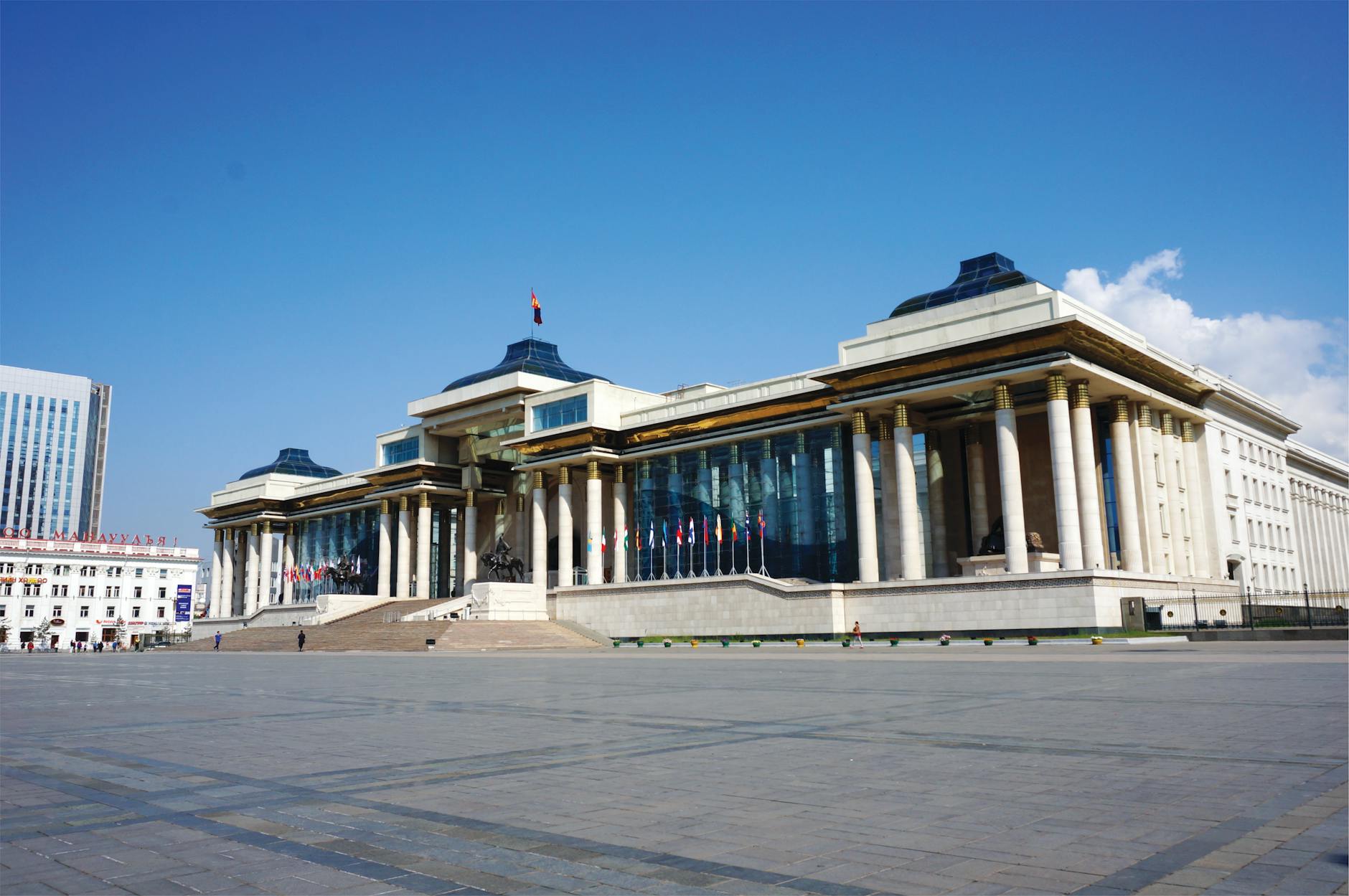
Mongolia has experienced three government changes in just ten months, exposing critical weaknesses in its parliamentary institutions and governance capacity. This political instability carries significant implications for Mongolia's economic development and its strategic balance between Russia and China.
Mongolia has experienced three separate government transitions within a ten-month period, a pattern that reflects deeper structural weaknesses in the country’s political institutions rather than isolated administrative shuffles. This cycle of instability carries significant implications for Mongolia’s domestic governance, economic development, and its strategic positioning within the Indo-Pacific region—particularly given its geographic location between Russia and China and its resource-dependent economy.
The frequency of these transitions is noteworthy. In stable democracies, government changes typically occur at election cycles or through planned constitutional processes. Mongolia’s three changes within such a compressed timeframe indicate either acute political conflict, institutional dysfunction, or both. This pattern suggests that Mongolia’s political system lacks the resilience mechanisms necessary to absorb policy disagreements or leadership disputes through normal parliamentary procedures.
Mongolia adopted a semi-presidential system following its 1992 democratic transition, combining a directly elected president with a prime minister accountable to parliament. This design should provide institutional checks and balances. However, the rapid succession of governments indicates that Mongolia’s parliamentary institutions are failing to aggregate interests effectively or maintain coalition stability.
Several institutional factors contribute to this volatility:
These structural problems are not new to Mongolia’s political system, but they have become increasingly acute as competing political factions have grown less willing to compromise on fundamental governance issues.
Mongolia’s economy is heavily dependent on mining exports, particularly coal and copper. The country’s fiscal health is therefore vulnerable to commodity price fluctuations and global demand cycles. Economic stress typically exacerbates political divisions as different groups compete for scarce resources and blame opposing factions for poor economic management.
The timing of these government changes likely correlates with periods of economic difficulty or policy disagreements over resource management and fiscal priorities. When economic conditions deteriorate, governments lose the ability to distribute patronage and maintain political coalitions through spending. This forces underlying political tensions to the surface, often resulting in government collapse.
Mongolia’s experience demonstrates how resource-dependent economies face a particular vulnerability to political instability when commodity prices decline. Without diversified economic bases, these countries struggle to maintain consensus around difficult fiscal adjustments and competing resource allocation priorities.
Mongolia’s political instability has consequences beyond its borders. The country occupies a strategically significant position in Central Asia, bordered by Russia to the north and China to the south. Mongolia has sought to balance relations with both neighbors while developing partnerships with Western democracies, a strategy that requires consistent diplomatic messaging and sustained policy implementation.
Frequent government changes complicate this balancing act. Foreign investors and strategic partners require policy predictability. When governments change every few months, there is uncertainty about whether international commitments will be honored, whether resource contracts will remain stable, and whether Mongolia will maintain its current foreign policy orientation.
China and Russia both have interests in Mongolia’s stability and orientation. Excessive political dysfunction creates opportunities for external actors to exploit divisions, offer patronage to favored factions, or pressure Mongolia to tilt toward their preferred strategic alignment. Mongolia’s capacity to maintain strategic autonomy depends partly on having governments that can sustain consistent policies and resist external pressure—capabilities undermined by rapid turnover.
Addressing Mongolia’s political instability requires institutional reforms that strengthen governmental resilience and reduce incentives for destabilizing behavior. Potential reforms include:
These reforms would require political consensus among Mongolia’s major parties—a consensus that has proven difficult to achieve when those same parties are competing for control of government and its resources.
Mongolia’s three government changes within ten months represent a governance crisis that threatens both domestic development and regional stability. The underlying causes are structural rather than circumstantial, suggesting that Mongolia will continue to experience political instability unless its institutions are reformed to provide greater resilience and legitimacy.
For regional observers and international partners, Mongolia’s instability underscores the importance of institutional design in sustaining democratic governance. Countries with fragmented parliaments, weak parties, and resource-dependent economies face particular vulnerability to political breakdown. Mongolia’s experience offers a cautionary case study in how institutional weaknesses can cascade into systemic governance failure, with implications extending well beyond the country’s borders into the broader Indo-Pacific strategic landscape.