Physical Address
304 North Cardinal St.
Dorchester Center, MA 02124
Physical Address
304 North Cardinal St.
Dorchester Center, MA 02124

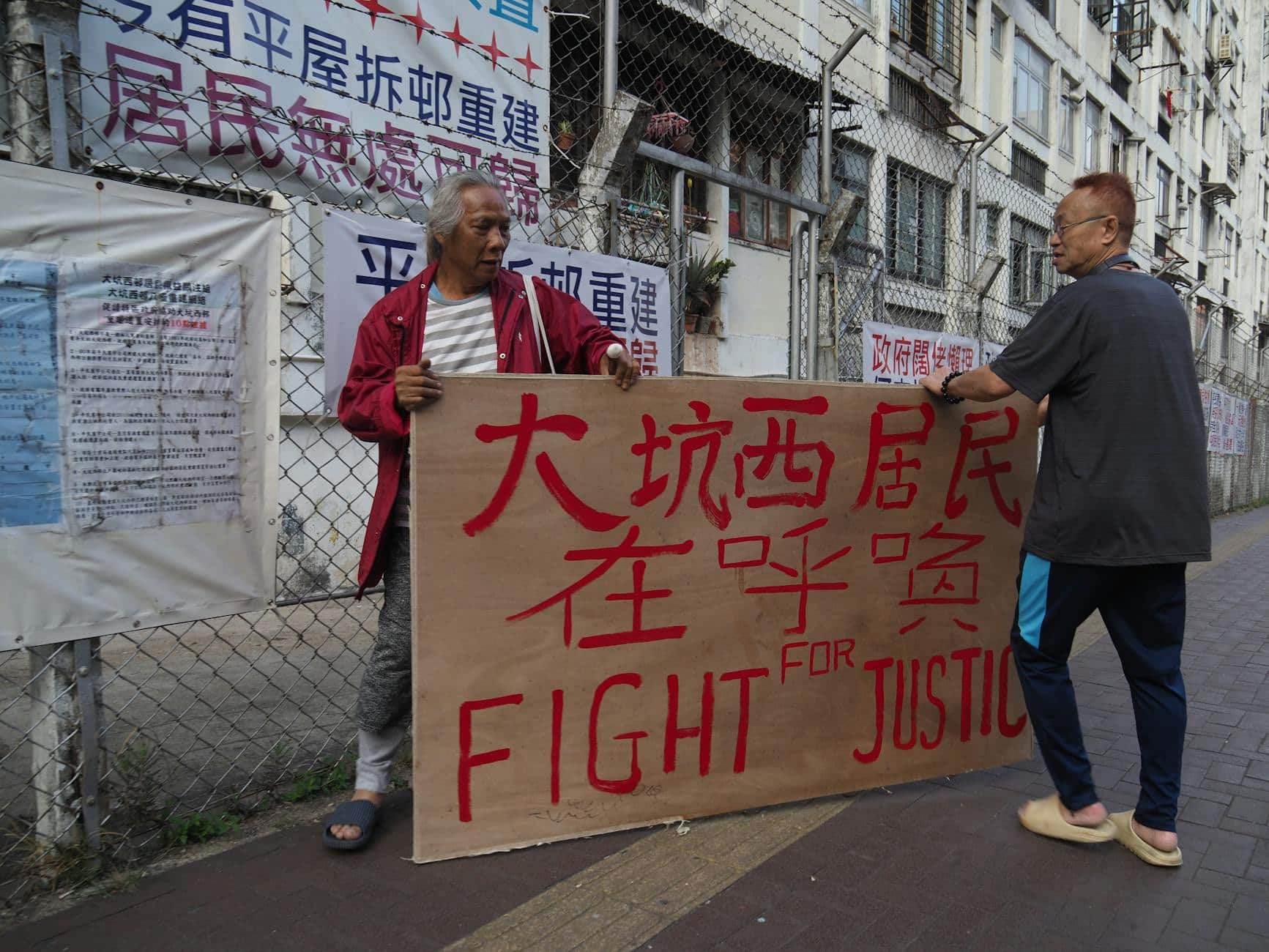
On May 7, 2024, the UK convicted two operatives running a shadow police operation, the US prosecuted a clandestine Chinese police station operator in Manhattan, and Norway arrested a Chinese national targeting space infrastructure. These simultaneous actions expose Beijing's systematic transnational repression campaign but reveal dangerous gaps in democratic coordination.
On May 7, 2024, the United Kingdom, United States, and Norway each delivered significant legal and diplomatic blows against Chinese transnational repression operations. While uncoordinated, the convergence of these three cases on a single day exposed the systematic nature of Beijing’s surveillance and intimidation networks targeting dissidents, pro-democracy activists, and ethnic minorities across the democratic world. The verdicts and arrests represent the most substantial coordinated pushback yet from liberal democracies, but they also reveal dangerous gaps in how Western nations are responding to what amounts to an organized campaign of extraterritorial state coercion.
The conviction of Peter Wai and Bill Yuen in London carries particular significance because it demonstrates how Chinese state apparatus operates through ostensibly civilian channels. Wai, office manager of the Hong Kong Economic and Trade Office (HKETO) in London, was found guilty under the U.K. National Security Act of assisting a foreign intelligence service. His position—nominally a trade official—provided cover for what amounted to active participation in a state-directed surveillance operation.
Yuen’s conviction is equally damning. As a U.K. immigration official, he exploited his access to British government databases to extract sensitive immigration records on Hong Kong dissidents sheltering in Britain. This represents a direct weaponization of the state apparatus against the very people it was meant to protect. The case of Monica Kwong, a Hong Kong woman on the British National (Overseas) visa scheme, illustrates the lived reality of this repression: operatives placed surveillance cameras beneath her door and poured water under it to force her outside, all while attempting to monitor her movements.
The British Foreign Office’s decision to summon the Chinese ambassador following the verdict signals that London is treating this not merely as a criminal matter but as a direct violation of national sovereignty. Critically, investigators uncovered additional offences predating the 2023 National Security Act that could not be prosecuted—a gap that highlights how recently Britain has developed legal tools to address this threat. The HKETO case validates long-standing concerns from civil society organizations that these trade missions function as additional diplomatic posts through which the Chinese Communist Party extends its surveillance infrastructure and advances anti-democratic objectives abroad.
Simultaneously in Manhattan, the trial of Liu Jianwang commenced on May 6, with prosecutors alleging he operated a clandestine Chinese police station in Chinatown under direct orders from Beijing. Liu is accused of monitoring, intimidating, and silencing pro-democracy activists within the United States. This case represents the highest-profile prosecution to date of what the NGO Safeguard Defenders has identified as over 50 such covert police stations operating across Europe, North America, and other regions.
The Liu prosecution is part of a broader pattern of federal charges against individuals acting as unregistered foreign agents on behalf of Beijing. In recent years, U.S. prosecutors have charged multiple operatives targeting Hong Kongers, Uyghurs, and Tibetans on American territory. The Liu trial serves as a critical test of whether the U.S. legal system can effectively hold these transnational networks accountable and sets a precedent for future prosecutions. The fact that this case is proceeding publicly demonstrates American resolve to defend diaspora communities within its borders.
Norway’s May 7 arrest of a Chinese national accused of collecting sensitive data near Andøya Spaceport represents a different but equally serious dimension of Chinese transnational operations. Andøya is central to Europe’s expanding space and satellite infrastructure—capabilities with direct applications to financial systems, communications networks, and military coordination. The arrest fits a well-documented pattern of Chinese intelligence targeting dual-use technologies that blur the line between civilian and military applications.
This operation demonstrates that Chinese transnational repression extends beyond political surveillance of dissidents to encompass systematic technology espionage. The targeting of Andøya suggests sustained Chinese interest in European space capabilities, a concern that should alarm NATO members and EU states invested in strategic autonomy.
The convergence of these three cases reveals the systematic nature of Beijing’s approach. Chinese transnational repression operates by design across jurisdictions, exploiting gaps between national legal systems and law enforcement capabilities. Networks share intelligence across embassies and proxy organizations, adapting when one avenue is closed. The geographic reach—from London to New York to northern Norway—demonstrates that this is not ad hoc harassment but a coordinated, state-directed campaign to monitor, intimidate, and silence critics regardless of where they seek refuge.
The human cost is substantial. Hong Kongers who fled after the 2020 National Security Law, Uyghurs escaping Xinjiang, and Tibetan activists have discovered that democratic residency offers incomplete protection. The shadow policing operation in London targeting Monica Kwong exemplifies how Beijing’s operatives pursue targets through the very mechanisms of democratic society—letterboxes, public spaces, government databases—turning the openness of liberal democracies into a vulnerability.
The legal convictions and arrests represent necessary steps, but democracies are currently addressing transnational repression in fragmented, uncoordinated ways. The United Kingdom only implemented its National Security Act in 2023—years after Chinese operations were already embedded. Other democratic allies are further behind in developing comparable legal frameworks. Meanwhile, Beijing’s networks operate with inherent transnational advantages, sharing resources and intelligence across borders while exploiting the seams between different national jurisdictions.
A concrete gap exists in Britain’s Foreign Influence Registration Scheme (FIRS), which came into force in 2023 and requires individuals and entities acting on behalf of foreign powers to register their political influence activities. The scheme includes an enhanced tier imposing stricter obligations and greater scrutiny, currently reserved for a small number of specified states. China’s exclusion from this enhanced tier is increasingly indefensible. The HKETO case demonstrates precisely the kind of opaque, state-directed influence activity FIRS was designed to expose and constrain.
The May 7 convergence of three cases across three jurisdictions provides a moment for democratic nations to move beyond isolated prosecutions toward systematic, coordinated defense. Existing frameworks—the Five Eyes intelligence alliance, NATO, and the Summit for Democracy—provide mechanisms through which like-minded states can share information and align responses. What is lacking is the political decision to deploy these frameworks explicitly against transnational repression as a collective security threat rather than treating it as a domestic law enforcement issue.
Practical measures are neither radical nor unprecedented. Democratic nations already employ joint watchlists, early warning systems, coordinated diplomatic expulsions, and mutual legal assistance for counterterrorism and organized crime. These same tools could be adapted for transnational repression: shared databases of known operatives, coordinated alert mechanisms when diaspora communities report intimidation, joint diplomatic responses when shadow policing networks are uncovered, and mutual legal assistance enabling evidence gathered in one jurisdiction to support prosecutions elsewhere.
The verdicts and arrests of May 2024 signal that democracies are beginning to defend their residents in earnest. The critical task now is to transform these individual victories into a systematic, permanent, and coordinated response. Without this institutional shift, Beijing’s transnational repression networks will continue to exploit the gaps between national systems, and dissidents who sought safety in democratic countries will remain vulnerable to state-directed harassment and intimidation.