Physical Address
304 North Cardinal St.
Dorchester Center, MA 02124
Physical Address
304 North Cardinal St.
Dorchester Center, MA 02124

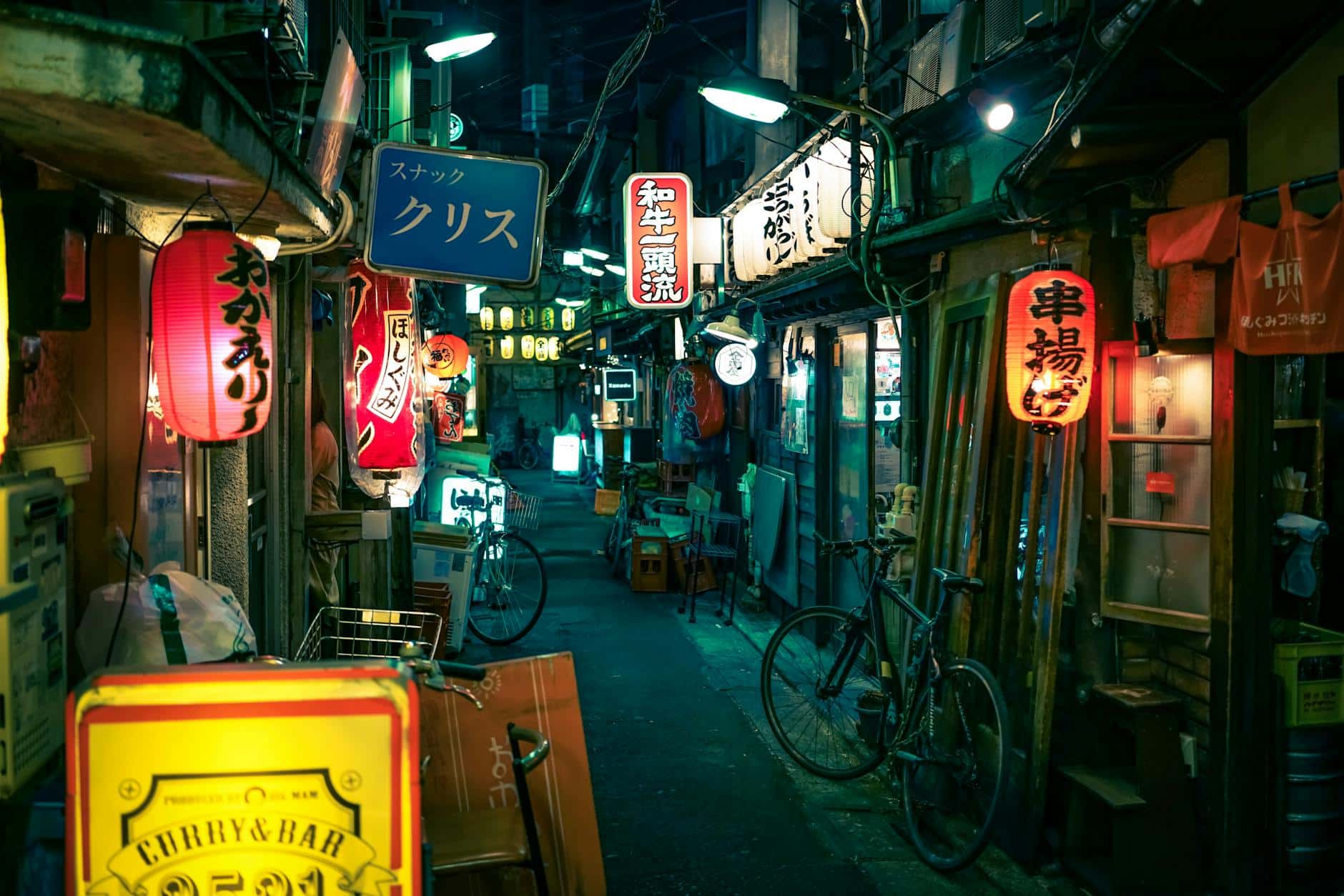
Tokyo's erosion of informal public gathering spaces reflects a critical but overlooked challenge to social cohesion and regional stability. As third places decline and public space becomes transactionalized, Japan's experience offers a cautionary model for other Indo-Pacific economies facing similar urbanization pressures.
Japan’s urban landscape reveals a critical but underexamined dimension of regional stability: the erosion of informal public gathering spaces. Tokyo, despite its status as a global megacity and economic powerhouse, faces a distinctive challenge that extends beyond urban planning into questions of social cohesion, civic engagement, and long-term demographic resilience. The decline of what sociologists term “third places”—informal public spaces distinct from home and workplace—carries implications for Japan’s capacity to sustain social capital and maintain the institutional trust necessary for effective governance and policy implementation across the Indo-Pacific region.
The concept of third places, popularized by urban sociologist Ray Oldenburg, refers to informal public gathering spaces—cafes, parks, community centers, and public squares—where spontaneous social interaction occurs without commercial obligation or formal structure. In post-war Japan, these spaces historically served as vital nodes for civic participation, information exchange, and the maintenance of neighborhood-level social networks.
Tokyo’s particular challenge stems from a convergence of factors. The city’s extreme density (approximately 14 million residents in the metropolitan area) combined with high real estate costs has systematized the conversion of public and semi-public spaces into commercialized venues. Small neighborhood bars (izakayas) that once functioned as genuine third places increasingly operate as commercial establishments where transaction costs—the expectation of purchasing food or drinks—structure every interaction. Public parks, while nominally free, face declining maintenance and programming investment. Community centers (kominkan) that served as anchors for neighborhood social life have contracted in number and programming capacity.
The fundamental dynamic undermining Tokyo’s third places is the transactionalization of social encounters. When every meaningful public space requires a purchase or formal membership, the spontaneous social interactions that build bridging social capital become economically gatekept. This creates a bifurcated urban experience: individuals with disposable income access social spaces through consumption, while those with limited economic means face restricted access to informal public gathering.
The data on Tokyo’s public space utilization reveals this pattern. Parks in central wards show declining visitor numbers outside peak recreational periods, suggesting they function less as everyday social anchors and more as destination leisure sites. Meanwhile, commercial establishments—convenience stores, coffee chains, and restaurants—have absorbed the social functions that third places once provided, but with a critical difference: they require economic participation as the condition of presence.
This transactionalization has measurable social consequences. Neighborhood social networks in Tokyo have demonstrably weakened, as evidenced by declining participation in traditional community associations (chonaikai) and reduced informal information sharing at the neighborhood level. The 2022 Cabinet Office survey on civic consciousness found that only 41% of Tokyo residents reported regular interaction with neighbors, down from 63% in 1998. This fragmentation reduces the informal accountability mechanisms and social trust networks that facilitate effective policy implementation and community resilience during crises.
Japan’s demographic crisis—a shrinking and aging population projected to decline from 125 million to 105 million by 2070—intersects directly with the decline of third places. Elderly residents, who rely disproportionately on informal social connection for health outcomes and civic engagement, face particular vulnerability in a landscape of transactionalized public space. Social isolation among Japan’s aging population correlates directly with higher mortality rates and reduced healthcare compliance, generating measurable costs for public health systems and reducing the productive capacity of communities to support aging residents.
For the broader Indo-Pacific region, Japan’s experience serves as a cautionary precedent. As other major regional economies—South Korea, Singapore, Australia—experience similar urbanization patterns and real estate pressures, the Tokyo model demonstrates the long-term costs of allowing commercial logic to colonize public social space. The erosion of informal civic networks reduces the social substrate necessary for effective disaster response, community-based public health initiatives, and grassroots participation in democratic institutions.
Japanese municipal governments have begun recognizing this challenge, though responses remain fragmented and underfunded. Tokyo’s 2023 urban renewal strategy nominally prioritized public space activation, allocating 12 billion yen to park renovation and community center programming—a figure representing less than 0.3% of the metropolitan government’s annual budget. Pilot programs in Shibuya and Minato wards have experimented with free community programming in public parks and subsidized neighborhood gathering spaces, with modest results in rebuilding regular usage patterns.
The fundamental constraint is political-economic: real estate developers and commercial interests benefit from the current transactionalization of public space, creating structural resistance to policy change. Municipal governments lack the fiscal capacity and regulatory authority to reverse decades of land-use decisions that prioritized commercial development over public gathering infrastructure. The governance challenge is not technical—third places can be created and maintained—but structural, requiring sustained political commitment to prioritize social infrastructure over revenue-generating development.
Tokyo’s declining third places represent more than an urban planning problem; they signal a broader fragmentation of the social infrastructure necessary for regional stability and effective governance. As Japan’s experience demonstrates, the systematic conversion of public social space into commercialized venues erodes civic networks, reduces informal information sharing, weakens community-level disaster resilience, and accelerates social isolation among vulnerable populations.
For policy makers across the Indo-Pacific, the Tokyo precedent suggests that economic development strategies prioritizing commercial real estate over public social infrastructure generate long-term costs that exceed short-term fiscal gains. The maintenance of genuine third places—spaces where social interaction occurs without commercial obligation—represents an essential but often-overlooked dimension of national resilience and social cohesion. As regional governments confront aging populations, urbanization pressures, and demands for effective local governance, reversing the transactionalization of public space should constitute a strategic priority, not a secondary quality-of-life consideration.