Physical Address
304 North Cardinal St.
Dorchester Center, MA 02124
Physical Address
304 North Cardinal St.
Dorchester Center, MA 02124

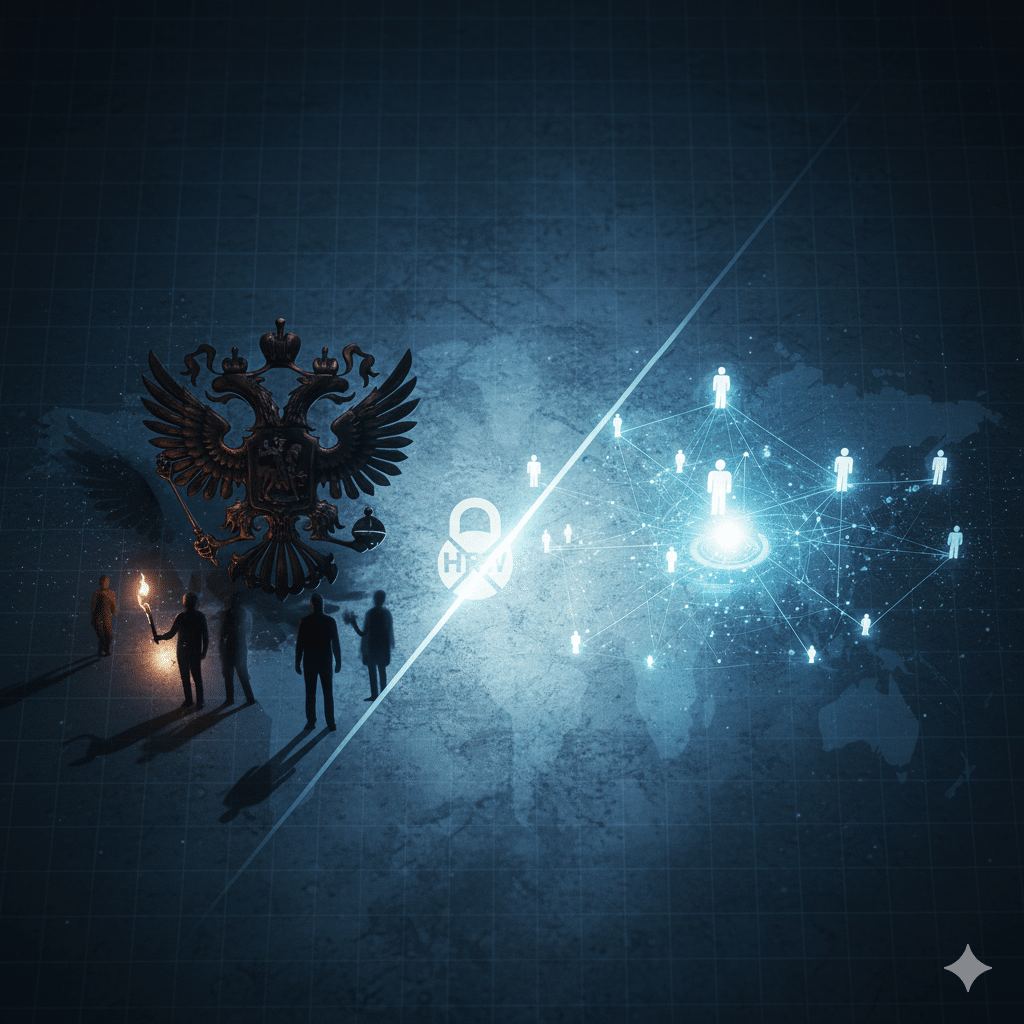
The recent proscription of Human Rights Watch (HRW) in Russia, as reported by Al Jazeera, signifies a critical escalation in the Kremlin’s systematic efforts to neutralize independent scrutiny and control information flows. This decision, embedded within a broader, intensified crackdown on voices critical of the conflict in Ukraine, effectively terminates HRW’s long-standing operations within the Russian Federation. As a globally recognized non-governmental organization (NGO) with a distinguished record of documenting human rights violations, HRW’s forced exit underscores a decisive move by the Russian state to eliminate perceived ideological challenges and reinforce a singular, state-sanctioned narrative.
This development is a salient indicator of Russia’s deepening autocratic trajectory, particularly since the full-scale invasion of Ukraine. It further isolates Moscow from established international human rights frameworks, poses existential challenges to the remnants of domestic civil society, and carries profound implications for Russia’s internal stability and external posture in an increasingly polarized global order.
The proscription of HRW is not an anomalous event but rather a predictable culmination of a meticulously constructed legal and ideological apparatus designed to neutralize independent civic space.
HRW’s designation under Russia’s 2015 “Undesirable Organizations” law provides the principal legal instrument for its ban. This legislation, characterized by its deliberately vague criteria, grants expansive powers to authorities to proscribe foreign and international NGOs perceived as a “threat to the security of the Russian Federation or its constitutional order.” Its application has consistently targeted organizations challenging the state’s narrative or actions. This builds upon the foundational “Foreign Agent” legislation, which has systematically imposed onerous reporting burdens and existential public stigma on a multitude of NGOs, media outlets, and individuals, effectively pre-empting or stifling their operational capacity. These statutes collectively form a robust legislative ecosystem designed for the systematic suppression of independent civic activity.
The ongoing conflict in Ukraine has catalyzed a drastic tightening of information control within Russia. Legislation criminalizing “fake news” pertaining to the military and “discrediting the armed forces” serves as a potent deterrent against divergent narratives. HRW’s consistent reporting on alleged war crimes and human rights abuses directly contradicted the state’s carefully curated discourse, rendering its continued presence untenable. This strategically impedes the independent documentation and verification of human rights violations, enabling the state to maintain an unchallenged monopoly on information, thereby facilitating the denial of allegations without external corroboration.
The proscription of HRW parallels similar actions against other foundational institutions of Russian civil society, such as Memorial. This systematic dismantling of civic infrastructure eliminates crucial domestic checks and balances, thereby diminishing avenues for citizen redress and access to independent information. This assertive action serves as a potent signal to remaining domestic critics, underscoring the state’s willingness to deploy extreme measures. This inevitably fosters a pervasive climate of self-censorship and fear, further constraining civic engagement.
The ban on HRW engenders significant governance challenges for Russia and profoundly reshapes its international standing and future trajectories.
While ostensibly designed to project state strength and ensure internal stability, aggressive repression often correlates with the erosion of public trust and the accumulation of societal grievances. The absence of independent channels for redress can lead to suppressed discontent and long-term instability. The increasingly hostile environment for independent thought and professional advocacy accelerates a “brain drain” of educated professionals, thereby impeding Russia’s long-term intellectual, economic, and innovative capacities.
The proscription of a globally recognized human rights monitor further exacerbates Russia’s already abysmal human rights record, drawing widespread condemnation from multilateral institutions, Western governments, and international advocacy groups. This action imposes significant diplomatic costs, isolating Russia from potential partners who adhere to international human rights standards. It complicates any future attempts at diplomatic rapprochement or sanctions relief, solidifying the perception of Russia as an increasingly authoritarian and norm-divergent actor on the global stage.
The Kremlin will likely complete the elimination of virtually all vestiges of independent media and human rights reporting within the Russian Federation. Access to international news and critical social media platforms will face intensified restrictions, ranging from throttling to outright blocking. Outcome: The state will largely succeed in establishing pervasive control over the information consumption of the average Russian citizen, fostering a more homogenized public sphere aligned with official narratives.
The scope and application of “undesirable organizations” and “foreign agent” legislation will be further broadened, encompassing any domestic group or individual with even tangential links to independent activism or critical thought. Public figures, academics, and even private citizens will face escalating pressure to demonstrate explicit loyalty to the state and its policies, with severe repercussions for non-compliance, creating a culture of performative allegiance. Outcome: Russia’s internal political landscape will become increasingly monolithic, characterized by a near-total absence of organized dissent and a pervasive climate of fear and self-censorship.
Russia will strategically strengthen its alliances with other authoritarian regimes globally, promoting a shared vision of state sovereignty that actively de-emphasizes universal human rights and democratic norms. Moscow will intensify its efforts to challenge Western narratives on human rights and democracy through state-backed media, diplomatic channels, and influence operations, particularly targeting states in the Global South. Outcome: Russia will solidify its position as a prominent architect and leader of an emergent anti-Western, authoritarian-aligned bloc, further entrenching the global ideological and normative divergence on governance and human rights.
| Actor | Policy Goal | Specific Recommended Actions |
| International Community & Western Governments | Sustain targeted pressure and bolster support for human rights, while pragmatically preserving avenues for future, conditional engagement. | Maintain robust, targeted sanctions against individuals and entities directly implicated in human rights abuses; significantly increase funding and logistical support for exiled Russian civil society organizations, independent media, and human rights advocates; explore innovative, secure, and encrypted channels for the dissemination of independent information into Russia. |
| International Human Rights Organizations | Adapt and innovate strategies to ensure continued monitoring and meticulous reporting of human rights abuses. | Establish decentralized, remote monitoring hubs outside the Russian Federation; rigorously leverage open-source intelligence (OSINT) and citizen journalism from within Russia; intensify collaboration with international legal bodies to meticulously document and prepare evidence for potential future accountability mechanisms. |
| Tech Companies & Digital Rights Advocates | Resist state censorship and ensure resilient access to information for Russian citizens. | Invest in and actively promote sophisticated anti-censorship tools (e.g., advanced VPNs, Tor browsers); develop secure communication platforms engineered for resilience against state surveillance and blocking; prioritize content translation, localization, and culturally relevant information dissemination for Russian audiences. |
| Nations of the Global South | Maintain a principled stance on the universality of human rights, independent of geopolitical alignments. | Engage the Russian Federation on human rights issues through multilateral forums, emphasizing the universally recognized nature of these rights, rather than framing them as a solely “Western-centric” concern; actively resist becoming complicit in Russia’s concerted efforts to undermine international human rights frameworks and norms. |