Physical Address
304 North Cardinal St.
Dorchester Center, MA 02124
Physical Address
304 North Cardinal St.
Dorchester Center, MA 02124



Survey evidence reveals that transnational repression by Hong Kong authorities affects tens of thousands of British-based Hong Kongers beyond high-profile activists, with 66% reporting feeling at risk and 32% experiencing direct repression. The infiltration of diaspora groups and surveillance operations have caused 42% to avoid public civic participation, fundamentally altering how the 200,000-strong community engages with UK society.

Chinese dissident artist Gao Zhen faces indefinite imprisonment on retroactively applied charges, while his American-citizen son remains trapped in China without access to school or his father. The case exposes how Beijing weaponizes national security laws to suppress artistic expression and employs collective family punishment as a tool of political control.

Pakistan's use of Chinese J-10C fighters in May 2025 aerial clashes with India transformed Chinese combat aircraft from budget alternatives into battle-tested systems. The resulting surge in sales—including Indonesia's USD $9 billion commitment for 42 fighters—signals a fundamental realignment of Indo-Pacific defense procurement away from exclusive Western dependence.

US-China trade governance requires binding institutional procedures, not just high-level dialogue. A credible Board of Trade must establish predictable review criteria, separate commercial from security oversight, and create permanent technical infrastructure to prevent routine disputes from triggering geopolitical escalation.

A US court dismissed a lawsuit by Rohingya refugees against Meta, citing Section 230 protections for online platforms. The decision reveals significant legal barriers to holding technology companies accountable for algorithmic amplification of hate speech linked to genocide, with major implications for Indo-Pacific digital governance.
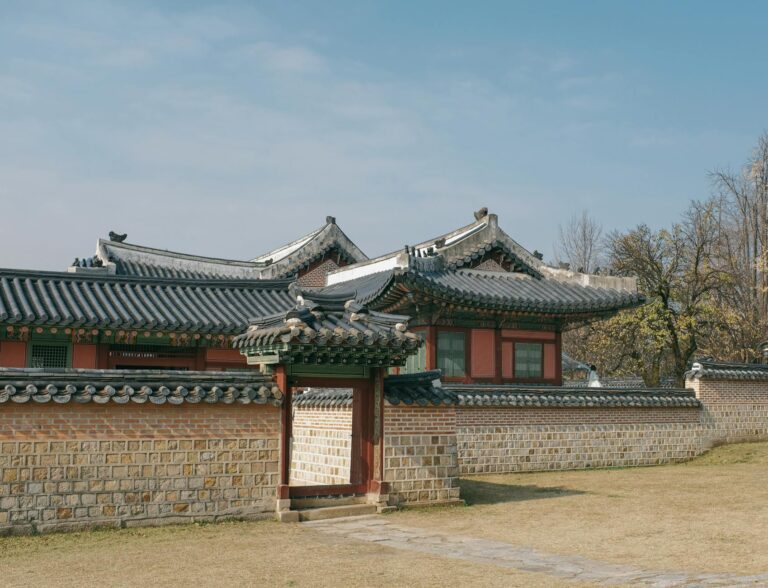
South Korea's People Power Party issued an apology ahead of local elections but faces persistent difficulty distancing itself from President Yoon Suk-yeol's administration. The party's core leadership and organizational structure remain closely aligned with Yoon's political faction, undermining the credibility of rebranding efforts.
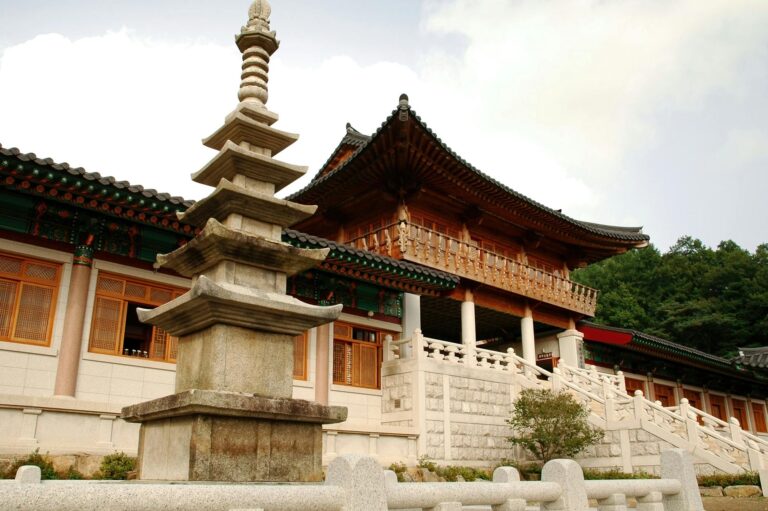
Kim Yo Jong's public denunciation of South Korea-US joint military exercises as "war rehearsal" reflects North Korea's hardening security posture and escalating military rhetoric. The absence of diplomatic engagement since 2019 has removed mechanisms for managing peninsula tensions, raising risks of unintended escalation.
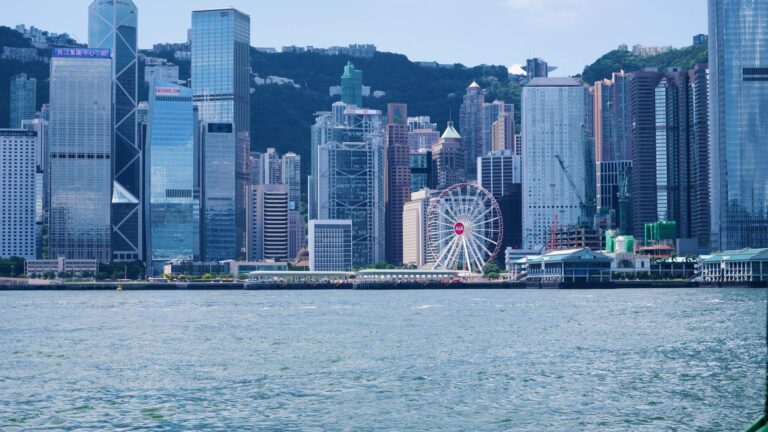
Jimmy Lai's 20-year sedition sentence marks the final institutional collapse of Hong Kong's independence. The conviction signals to international business and media that the territory is no longer a reliable hub for independent activity, with strategic consequences across the Indo-Pacific.
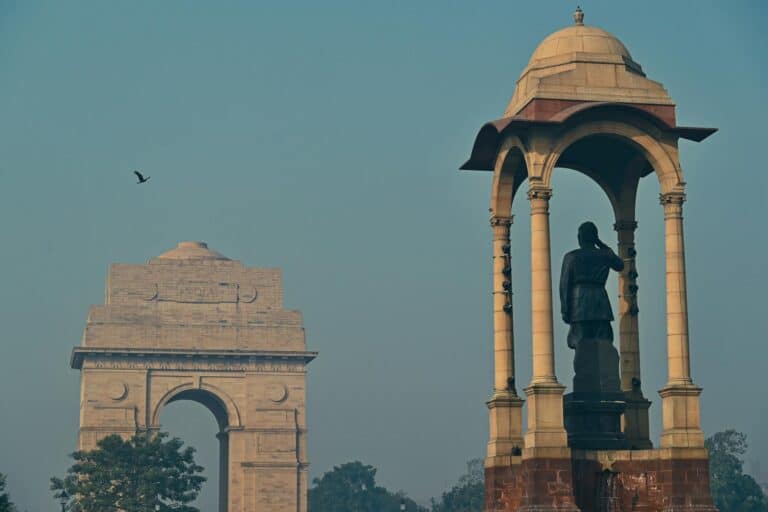
Umar Khalid's 2,000-day pretrial detention without trial exemplifies systematic erosion of judicial independence and due process in India. The case reveals how security legislation targeting dissent undermines democratic institutions and regional stability.
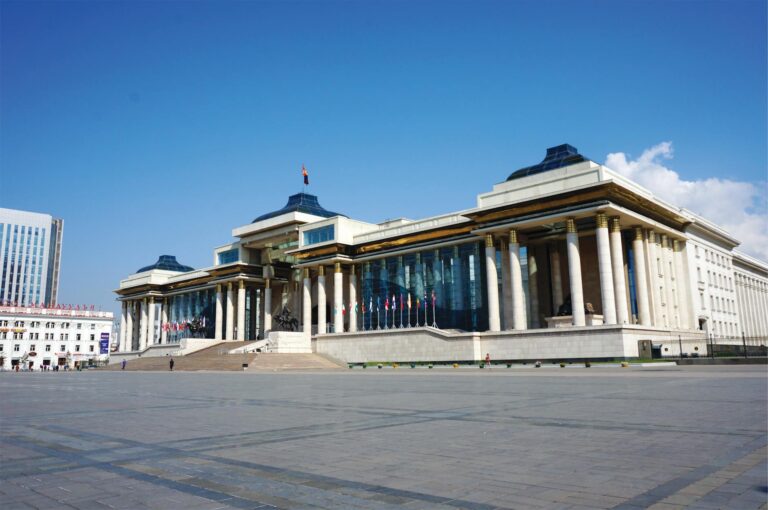
The United States is intensifying engagement with Mongolia beyond traditional "Third Neighbor" frameworks, recognizing Ulaanbaatar's strategic significance amid great power competition. Ambassador Richard L. Buangan's diplomatic efforts reflect American interests in Mongolia's democratic governance, rare earth minerals, and geopolitical position—though deepening ties faces constraints from Mongolia's structural dependence on China and Russia.