Physical Address
304 North Cardinal St.
Dorchester Center, MA 02124
Physical Address
304 North Cardinal St.
Dorchester Center, MA 02124

China is systematically advancing military capabilities, deepening economic integration, and securing diplomatic support across the Indo-Pacific ahead of high-level engagement with the Trump administration. Beijing is leveraging Washington's focus on Middle Eastern instability to consolidate positions in contested waters and strengthen regional dependencies.
As preparations advance for high-level engagement between the United States and China, Beijing is executing a deliberate strategy to reshape regional dynamics and consolidate positions across the Indo-Pacific. Rather than waiting passively for diplomatic dialogue, Chinese leadership is actively leveraging the current geopolitical environment—particularly Washington’s sustained focus on Middle Eastern instability—to advance territorial claims, deepen economic integration with regional partners, and strengthen military capabilities in contested areas.
This approach reflects a consistent pattern in Chinese strategic behaviour: using periods of great power distraction to expand influence incrementally. The timing is significant. With the Trump administration managing complex commitments in the Middle East, Beijing calculates that Washington’s bandwidth for Indo-Pacific containment is constrained, creating a window for assertive but calibrated moves that avoid direct confrontation while shifting the regional balance of power.
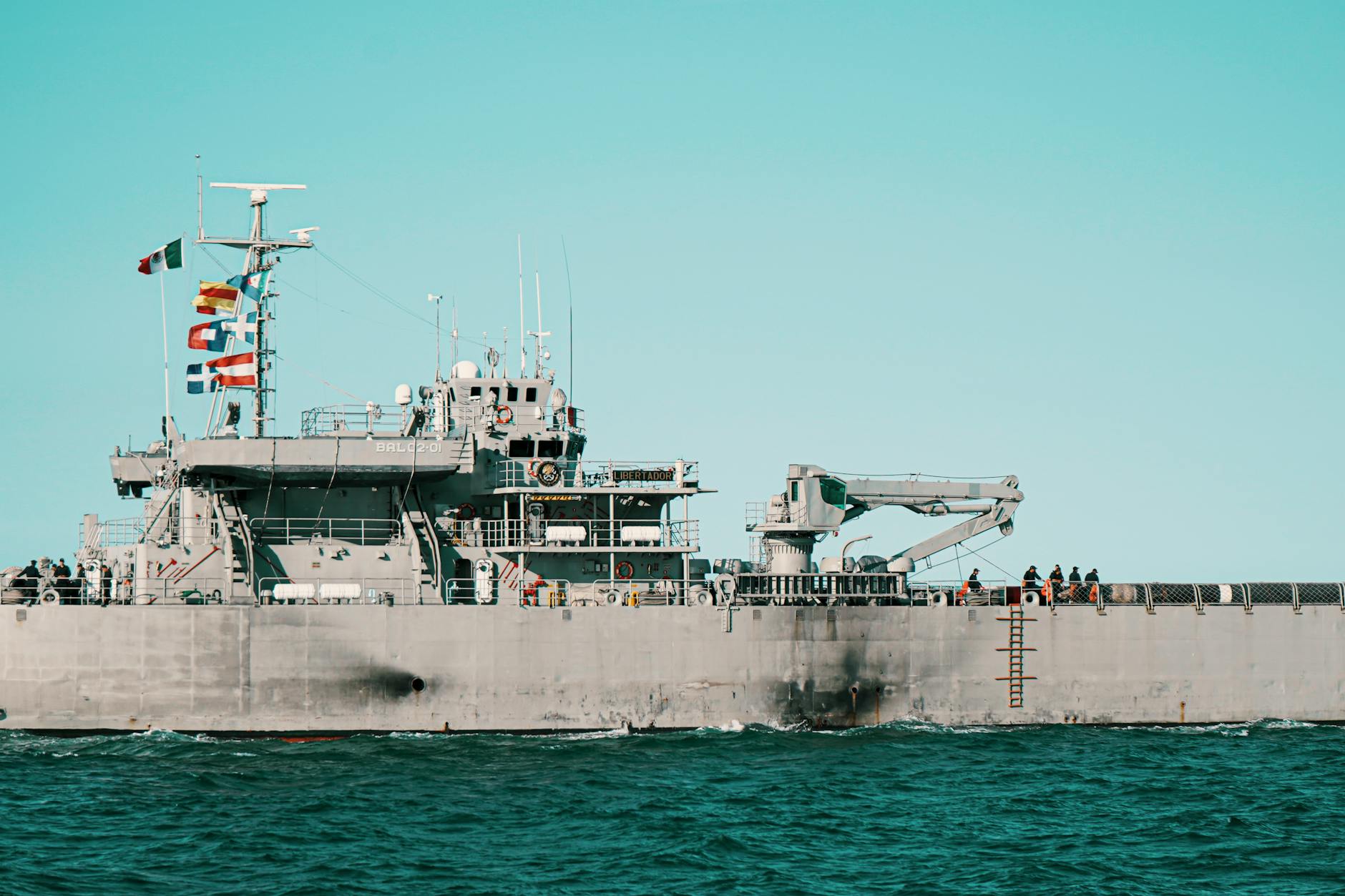
China’s People’s Liberation Army (PLA) has intensified operational activities across the South China Sea and Taiwan Strait, with particular emphasis on normalising military presence in areas where Beijing asserts jurisdictional claims. These operations include expanded air defence system deployments, increased naval patrols in the nine-dash line region, and enhanced coordination between civilian maritime agencies and military forces.
The strategic logic is transparent: by establishing sustained operational patterns now, Beijing creates a new baseline for regional military dynamics that will be difficult to reverse without direct confrontation. This mirrors the successful ‘salami-slicing’ approach that resulted in the militarisation of artificial islands in the Spratly Islands between 2013-2016. The PLA Navy’s increased presence in waters claimed by Vietnam, the Philippines, and other claimants serves multiple objectives simultaneously—demonstrating resolve to domestic audiences, signalling commitment to regional partners dependent on Chinese security guarantees, and testing responses from the United States and its allies.
Parallel to military positioning, China is deepening economic ties with Southeast Asian nations through accelerated Regional Comprehensive Economic Partnership (RCEP) implementation and bilateral trade arrangements. These economic relationships create dependencies that constrain regional partners’ willingness to align with U.S.-led containment strategies, effectively neutralising potential coalition-building against Chinese interests.
Beijing has prioritised infrastructure investments in Cambodia, Laos, and Myanmar—nations where Chinese strategic influence is already substantial. These investments serve dual purposes: they generate economic returns while ensuring political alignment on regional governance questions, particularly within ASEAN forums where consensus-based decision-making gives individual members significant blocking power. When Cambodia or Laos oppose ASEAN statements critical of Chinese conduct, they effectively prevent unified regional responses to Beijing’s actions.
The economic dimension also addresses a critical vulnerability in China’s regional strategy: the perception that Beijing’s rise comes at the expense of smaller neighbours’ sovereignty and prosperity. By emphasising trade benefits, employment generation, and infrastructure development, Chinese diplomacy attempts to reframe the relationship from zero-sum competition to mutual gain—a narrative that resonates with development-focused governments in the region.
Chinese diplomatic messaging has become notably more sophisticated in recent months. Rather than aggressive rhetoric that consolidates opposition, Beijing has adopted a posture of reasonableness and restraint, emphasising peaceful resolution of disputes and commitment to international law. This messaging serves multiple audiences: it reassures regional partners that China is a responsible stakeholder, complicates U.S. efforts to characterise Beijing as a revisionist threat, and creates space for Chinese actions to be interpreted as defensive rather than aggressive.
Simultaneously, China maintains implicit threats through military capabilities and operational presence. This combination—diplomatic reassurance coupled with military capability demonstration—allows Beijing to advance interests while minimising the risk of unified regional resistance or U.S. intervention.
The sustained focus of U.S. strategic attention and military resources on Iran-related contingencies creates a temporary asymmetry that Beijing is explicitly designed to exploit. While the U.S. Navy maintains significant carrier presence in the Middle East and Central Command coordinates complex diplomatic and military operations, Indo-Pacific Command faces resource constraints and reduced strategic priority in Washington’s immediate decision-making hierarchy.
This is not coincidental timing. Chinese strategic planners have long studied U.S. capacity constraints and the historical pattern of American overextension across multiple theatres. By acting during periods of acknowledged U.S. distraction, China minimises the risk of immediate, high-cost responses while maximising the probability that regional partners will accommodate Chinese preferences rather than wait for uncertain U.S. support.
China’s pre-summit positioning reflects confidence that the fundamental trajectory of regional power dynamics favours Beijing, regardless of the diplomatic tone adopted in high-level meetings with Washington. By consolidating military presence, deepening economic dependencies, and securing diplomatic support from key regional partners, Beijing is attempting to create facts on the ground that will constrain future negotiating positions.
For Australia, Japan, South Korea, and other U.S. allies in the Indo-Pacific, this Chinese strategy presents a critical challenge. The window for collective response to incremental Chinese expansion is narrowing as economic integration deepens and military capabilities mature. The Trump administration’s approach to managing great power competition—whether prioritising diplomatic engagement or maintaining deterrent posture—will significantly influence whether regional partners continue hedging between Beijing and Washington or accelerate alignment with the U.S.-led order.
The fundamental question is whether the upcoming Trump-Xi engagement will reset regional dynamics or merely provide Beijing with additional time to consolidate gains achieved during periods of American distraction. Current Chinese behaviour suggests Beijing is betting on the latter—that diplomatic engagement at the summit level will not reverse the military and economic positioning already underway across the Indo-Pacific.