Physical Address
304 North Cardinal St.
Dorchester Center, MA 02124
Physical Address
304 North Cardinal St.
Dorchester Center, MA 02124

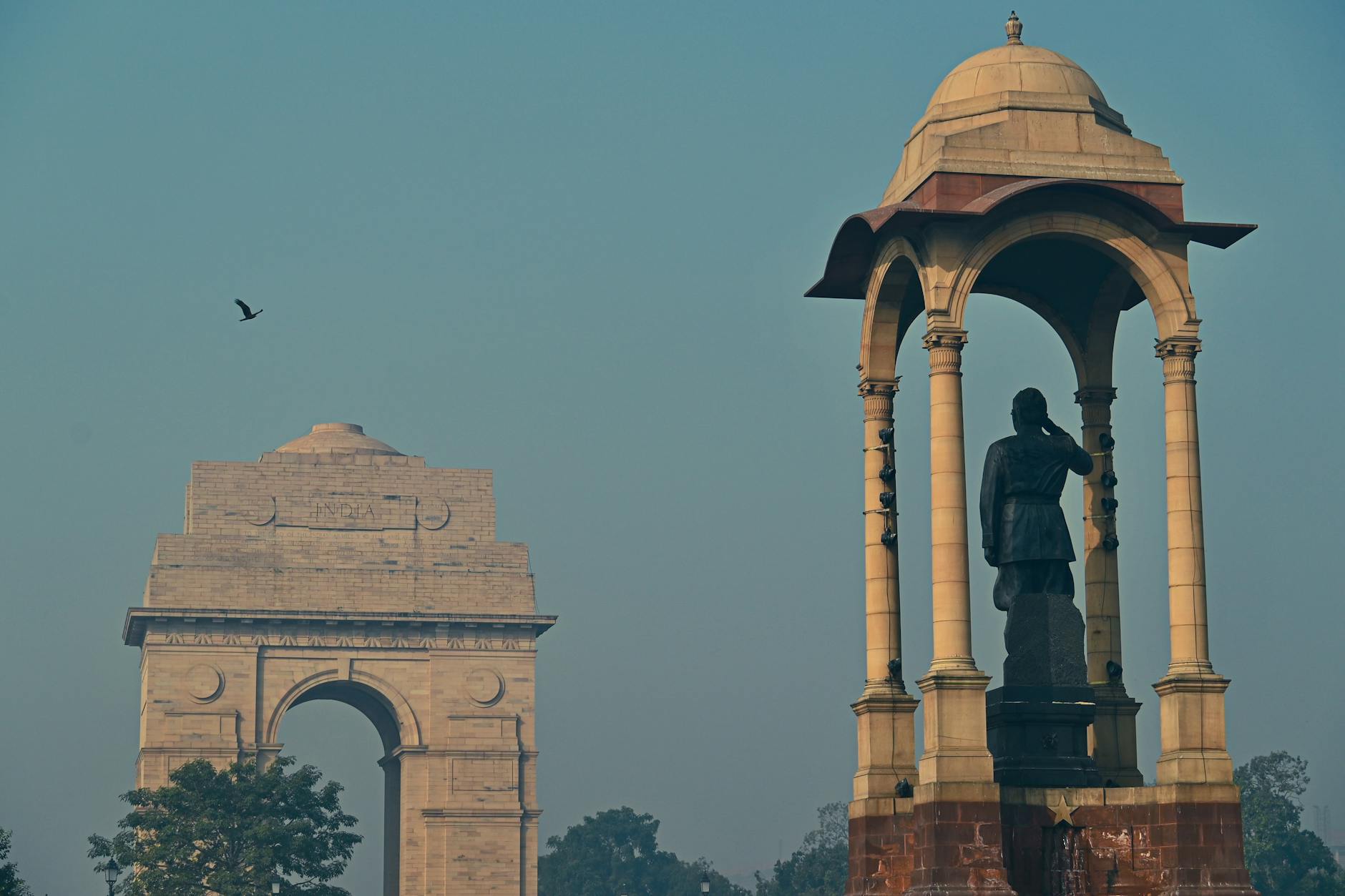
Umar Khalid's 2,000-day pretrial detention without trial exemplifies systematic erosion of judicial independence and due process in India. The case reveals how security legislation targeting dissent undermines democratic institutions and regional stability.
The prolonged incarceration of Umar Khalid, a Delhi-based activist and academic, represents a critical inflection point in India’s democratic trajectory. As of 2024, Khalid has spent over 2,000 days in custody without trial—a duration that exceeds the pretrial detention limits established in most democratic jurisdictions and raises fundamental questions about India’s commitment to due process and judicial independence.
Khalid’s case is not an isolated incident but rather a symptom of systemic deterioration in India’s criminal justice system. Under the Bharatiya Nyaya Sanhita (BNS) and related provisions, Indian courts have increasingly permitted extended pretrial detention periods that stretch constitutional safeguards. The Indian Constitution’s Article 21 guarantees the right to life and personal liberty, yet Khalid’s detention demonstrates how these protections have become porous in practice.
Khalid was arrested in September 2020 under the Unlawful Activities (Prevention) Act (UAPA), a statute that has become the primary tool for prosecuting alleged sedition and terrorism-related offences in contemporary India. The charges relate to his alleged involvement in organizing and inciting communal violence during the Delhi riots of February 2020, which resulted in over 50 deaths and significant communal polarization in the capital.
The timing and nature of these prosecutions warrant analytical scrutiny. Khalid, who holds a doctorate from Jawaharlal Nehru University (JNU) and is known for his vocal criticism of right-wing Hindu nationalism and communal violence, represents precisely the category of intellectual dissent that has faced intensified legal pressure under Prime Minister Narendra Modi’s administration since 2014. The UAPA—originally enacted in 1967 and substantially amended in 2019—has become a preferred prosecutorial instrument against activists, journalists, and scholars rather than against organized terrorist organizations.
India’s judiciary, long regarded as a guardian of constitutional democracy, has demonstrated concerning deference to executive authority in high-profile cases involving political dissent. The approval of successive pretrial detention extensions in Khalid’s case reflects a troubling pattern: judges have consistently accepted police assertions of investigative necessity without rigorous scrutiny of evidence or proportionality.
The Supreme Court of India, which possesses constitutional authority to intervene in cases involving fundamental rights violations, has been notably circumspect. While the Court has occasionally granted bail in high-profile UAPA cases, it has generally adopted a cautious posture that privileges state security claims over individual liberty. This judicial restraint stands in sharp contrast to the Court’s more assertive stance during earlier decades, when it actively challenged executive overreach.
The absence of trial commencement after more than 2,000 days represents a profound violation of the right to speedy trial—a cornerstone of due process in common law jurisdictions. India’s criminal procedure framework theoretically mandates expeditious trials, yet systematic delays in the judicial system, compounded by deliberate prosecutorial tactics, have rendered these protections largely illusory for defendants accused under the UAPA.
The Khalid case exemplifies how security legislation, once enacted under the premise of combating terrorism, becomes weaponized against political opponents and civil society actors. The UAPA’s broad definitional framework—which encompasses “unlawful activities” without precise delineation—creates prosecutorial discretion that is inherently susceptible to political abuse.
India’s experience mirrors patterns observed in other democracies facing populist governance: the selective application of security statutes against opposition figures and activists while simultaneously demonstrating leniency toward actors aligned with ruling coalitions. This asymmetric application of law fundamentally undermines the rule of law principle that legal systems must operate impartially and predictably.
The broader implications extend beyond individual cases. When extended pretrial detention becomes normalized for political dissidents, it creates a chilling effect on legitimate civil society engagement. Scholars, journalists, and activists operating in India increasingly face calculus wherein the reputational and financial costs of legal entanglement—even without conviction—become prohibitive. This self-censorship mechanism operates as effectively as formal repression in constraining democratic discourse.
India’s trajectory has attracted scrutiny from international human rights organizations and democratic governance indices. The V-Dem Institute’s Democracy Report has documented India’s decline in several metrics, including judicial independence, civil liberties, and electoral integrity. Cases like Khalid’s substantiate these assessments by demonstrating the practical mechanisms through which democratic institutions erode.
For the Indo-Pacific region, India’s internal democratic health carries strategic significance. India positions itself as a counterweight to authoritarian governance in Asia, yet the systematic misuse of legal instruments against political opponents weakens this positioning. Regional democracies—including Australia, Japan, and Southeast Asian nations—increasingly face pressure to reconcile strategic partnerships with India against documented concerns regarding human rights and judicial independence.
The persistence of cases like Khalid’s indicates that India’s democratic institutions lack sufficient independence and robustness to resist executive pressure. Without substantive judicial reform—including amendments to the UAPA, strengthened protections for pretrial detention periods, and genuine judicial independence—these patterns will likely intensify.
The trajectory matters not only for India’s internal political health but for regional stability. Democracies experiencing internal institutional decay often pursue more assertive foreign policies as domestic legitimacy falters. Conversely, robust democratic institutions create predictability in international relations. India’s current trajectory suggests a future wherein democratic constraints on executive foreign policy decisions may weaken precisely when regional tensions—particularly regarding Pakistan, China, and maritime disputes—demand measured, institutionally-constrained decision-making.
The resolution of cases like Khalid’s will serve as an indicator of whether India’s democratic institutions possess sufficient resilience to reassert independence from executive pressure, or whether the current trajectory toward executive dominance and judicial subordination represents a durable shift in India’s constitutional order.