Physical Address
304 North Cardinal St.
Dorchester Center, MA 02124
Physical Address
304 North Cardinal St.
Dorchester Center, MA 02124



Vietnam is pursuing a self-reliant critical minerals strategy that prioritises domestic processing capacity and regional partnerships over alignment with U.S.-led supply chain coalitions. This approach reflects Hanoi's broader commitment to strategic autonomy in great power competition.

China's shift from cloud-based AI to embodied intelligence—physical robots operating autonomously in real-world environments—has significant implications for Indo-Pacific manufacturing, military capability, and regional technological competition. This development could reshape supply chains, accelerate defence modernisation, and deepen technological decoupling across the region.
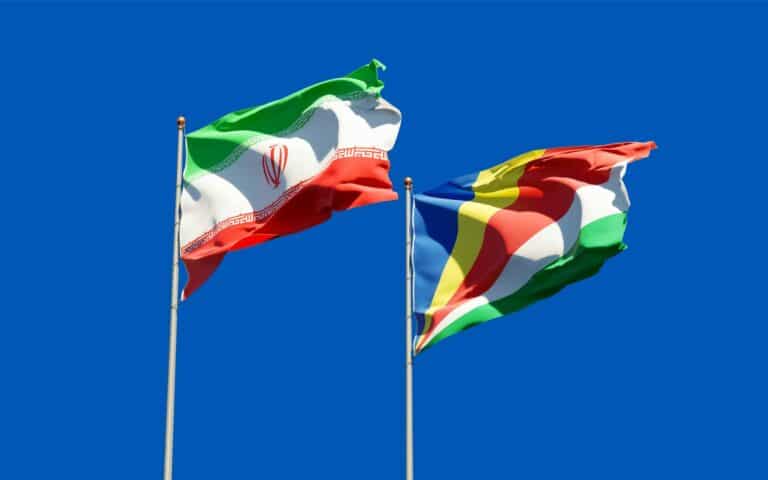
The Iran crisis exposes fundamental contradictions within BRICS' multipolar model. Divergent strategic interests among Russia, China, India, and South Africa reveal that the bloc lacks the institutional mechanisms to coordinate effective responses to major regional conflicts, raising questions about its viability as an alternative to Western-led security architecture.
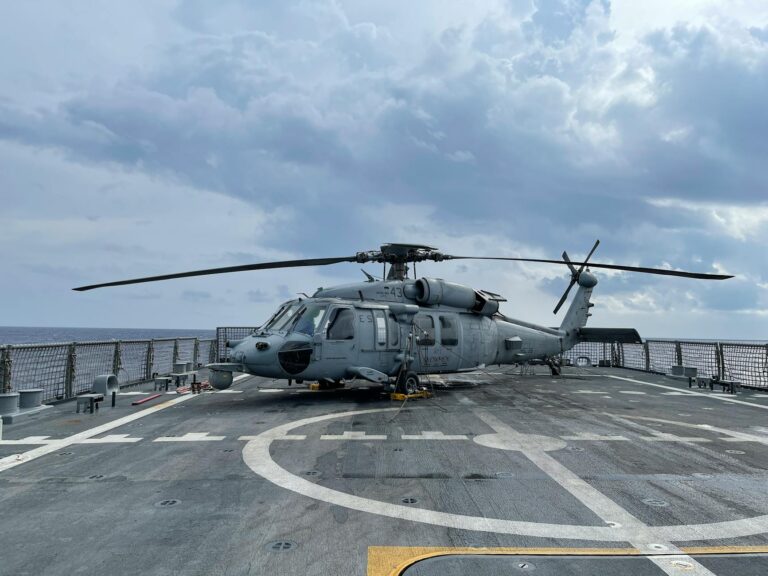
The U.S. and Israeli military strikes on Iran revealed the limits of China's economic-focused Middle East strategy. This experience carries critical implications for Beijing's ability to translate economic dominance into strategic outcomes across the Indo-Pacific.
Canada and India have concluded a $1.9 billion uranium supply agreement, signalling a deliberate recalibration of bilateral relations after recent diplomatic tensions. The long-term contract addresses India's civilian nuclear energy expansion while demonstrating pragmatic cooperation on energy security.
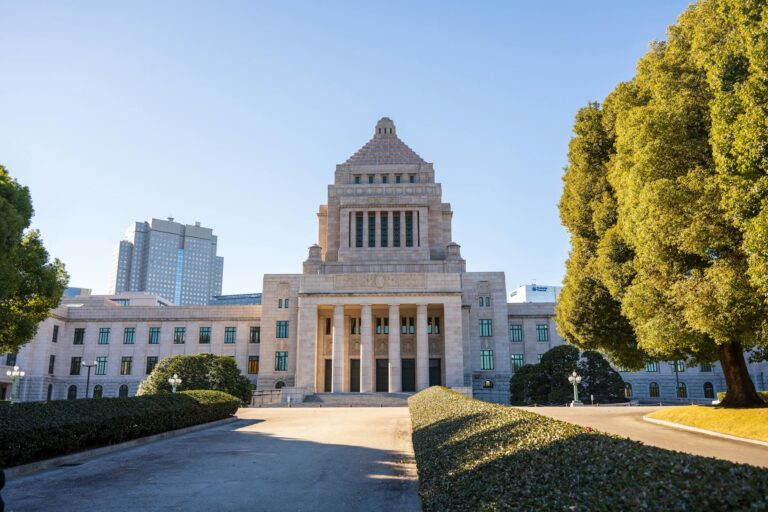
Team Mirai's capture of 11 lower house seats in 2025 signals a significant political realignment in Japan, fragmenting the LDP-led ruling coalition and introducing new variables into Tokyo's Indo-Pacific strategy during a period of heightened regional tensions.
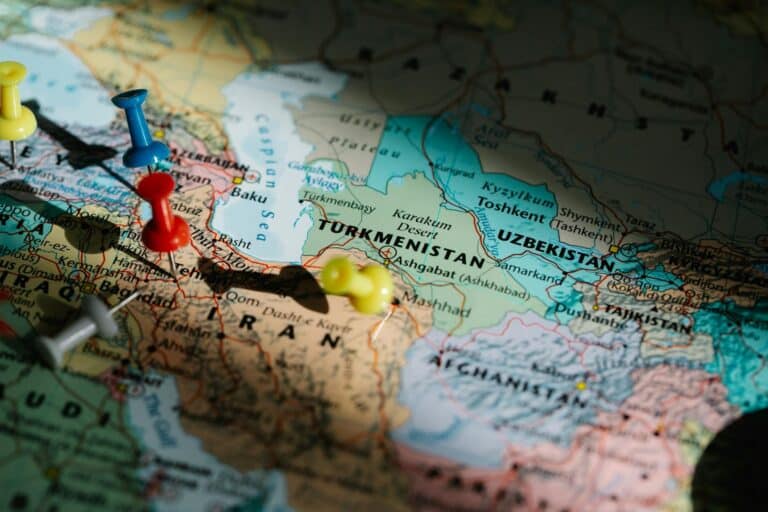
Central Asian states face mounting pressure from Middle East escalation, threatening energy security, fueling extremism risks, and complicating great power balancing acts. Kazakhstan, Uzbekistan, and neighboring capitals must strengthen institutional capacity and economic resilience to weather potential spillover effects.
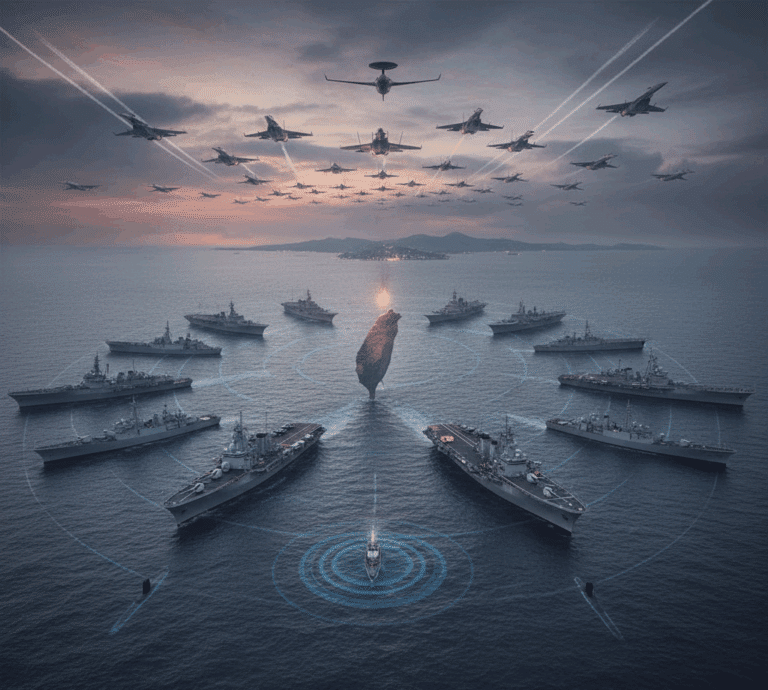
Executive Summary The large-scale military exercises conducted by the People’s Liberation Army (PLA) around Taiwan in late 2025 underscore Beijing’s deepening reliance on “coercive signaling” as a primary instrument for cross-strait management. While these maneuvers stopped short of kinetic conflict,…

Executive Summary Tensions between China and Japan increasingly reflect a fundamental shift in the architecture of strategic competition in East Asia. Rather than escalating through kinetic military confrontation, rivalry is now expressed through a sophisticated blend of regulatory enforcement, legal…

EXECUTIVE SUMMARY The confirmed joint military and coast guard patrols conducted by China around the Scarborough Shoal (Bajo de Masinloc) in late November 2025 mark a critical and aggressive pivot in Beijing’s South China Sea strategy. This public action signifies…