Physical Address
304 North Cardinal St.
Dorchester Center, MA 02124
Physical Address
304 North Cardinal St.
Dorchester Center, MA 02124


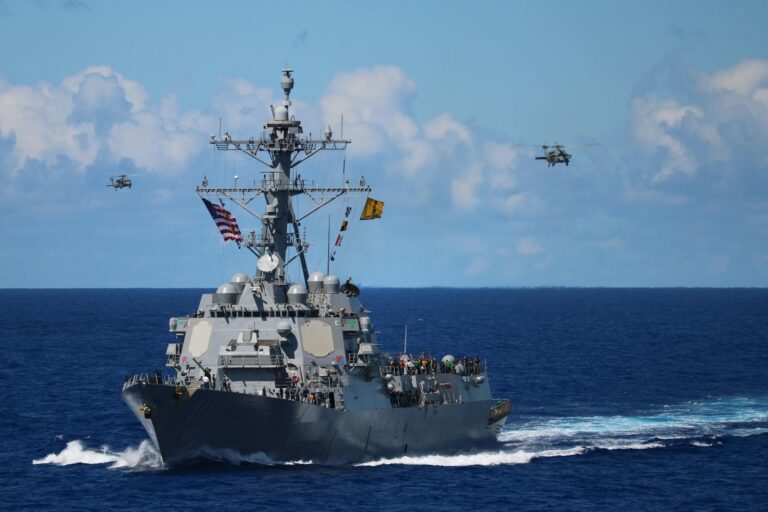
Japan's military modernization, arms export liberalization, and strategic repositioning represent a fundamental shift from post-war restraint to active regional power balancing. China interprets these moves as preparations for confrontation, creating a dangerous escalation spiral with significant implications for Indo-Pacific security and global supply chains.

The EU is deepening strategic engagement with Mongolia, integrating development, democracy, and security cooperation to support the landlocked nation's autonomy amid intensifying great power competition. This partnership reflects European recognition that Central Asian stability is essential to broader Indo-Pacific security.

The BJP's victories in West Bengal, Assam, and Puducherry elections consolidate Prime Minister Narendra Modi's political control over India's strategically vital eastern and northeastern regions, strengthening the government's capacity to pursue its Indo-Pacific engagement strategy.
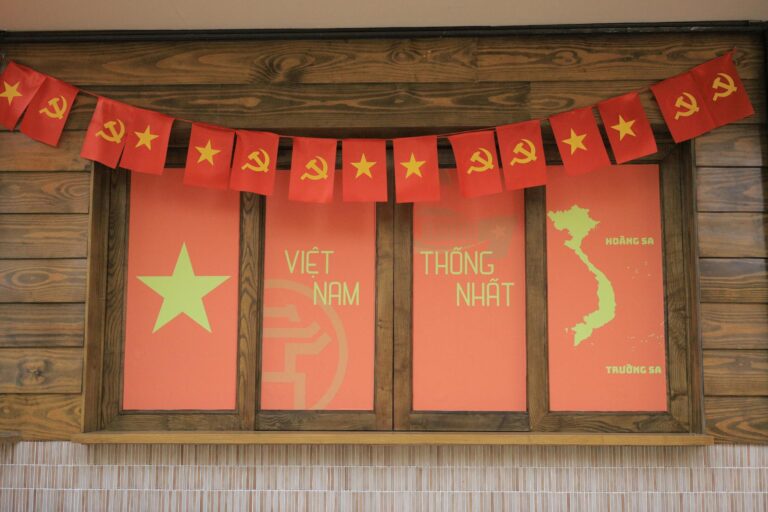
Vietnam's Communist Party General Secretary To Lam's visit to Beijing signals a critical effort to reset one of Southeast Asia's most strategically important bilateral relationships. A prospective 2026 joint statement could reshape regional dynamics around South China Sea disputes, economic integration, and great power competition.
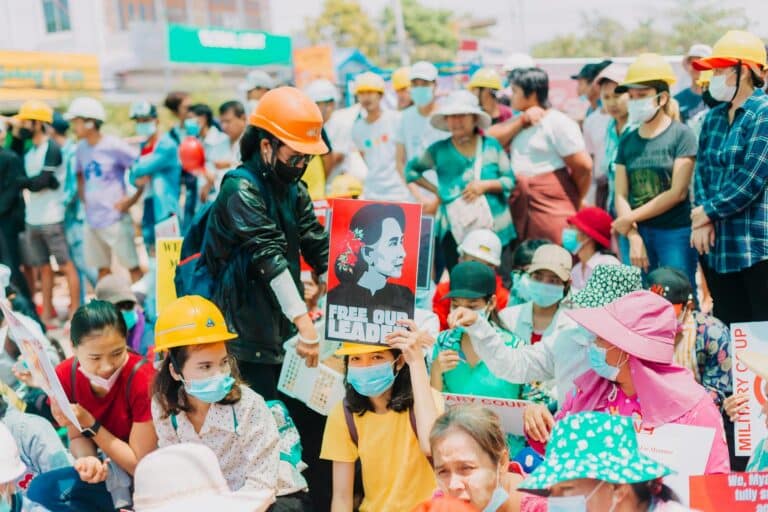
Myanmar is not undergoing democratic transition but rather experiencing a structural conflict between an entrenched military junta and an increasingly organized armed resistance movement. Western policymakers must abandon outdated transition frameworks and recognize the resistance as a legitimate political force reshaping the country's future.

The Quad's shift away from regular leader-level summits masks a deepening of operational coordination among Australia, India, Japan, and the United States. Working-level mechanisms now drive substantive cooperation on maritime security, Pacific Islands strategy, and supply chain resilience—making the partnership more durable despite reduced public visibility.
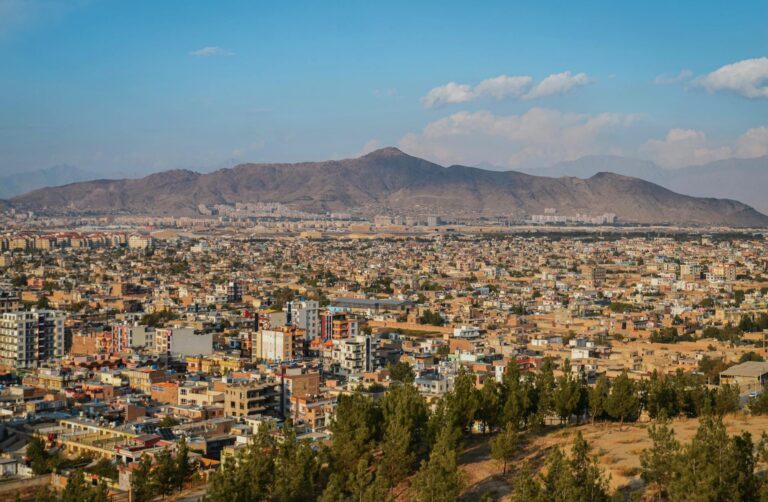
China's administrative restructuring of its Afghanistan policy apparatus signals a strategic shift from peripheral border management to active integration within Central Asia. The consolidation reflects Beijing's confidence in pursuing long-term economic, security, and geopolitical objectives across the region.
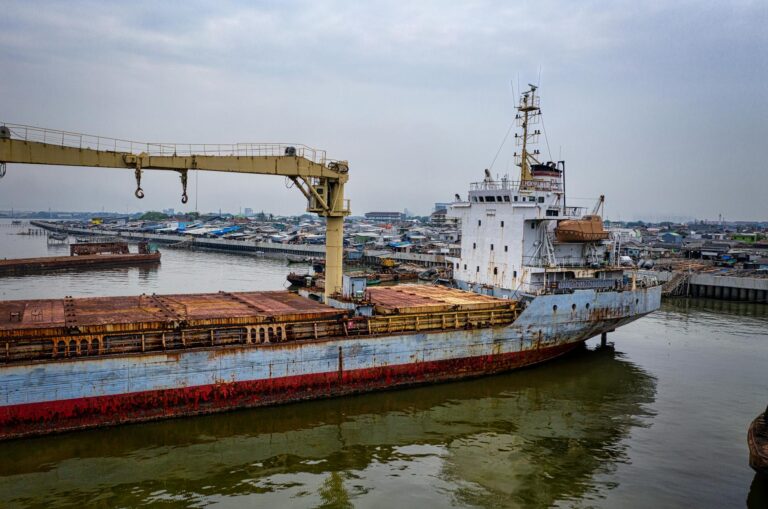
Indonesia's Major Defense Cooperation Partnership with the United States signals a strategic recalibration in Jakarta's approach to great power competition while maintaining hedging toward China. The partnership institutionalizes military cooperation while preserving Indonesia's traditional non-aligned positioning.
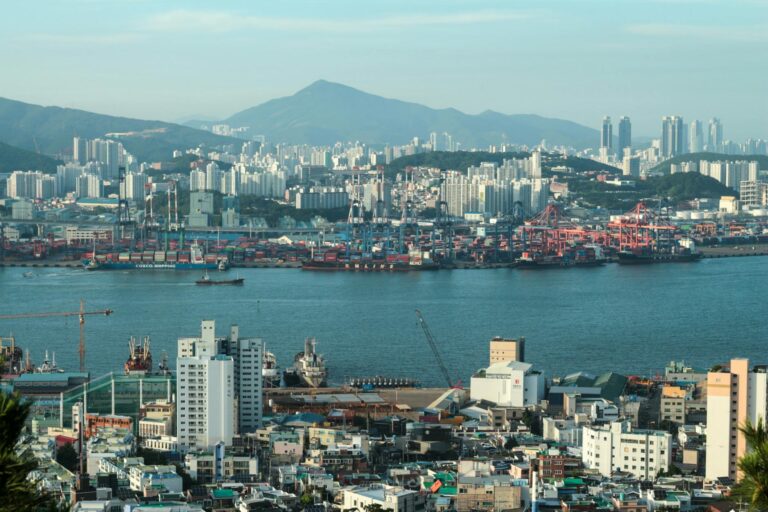
Vietnam and South Korea have committed to strengthened cooperation on supply chain resilience and nuclear energy development, reflecting both nations' strategic response to regional vulnerabilities and geopolitical competition in the Indo-Pacific.
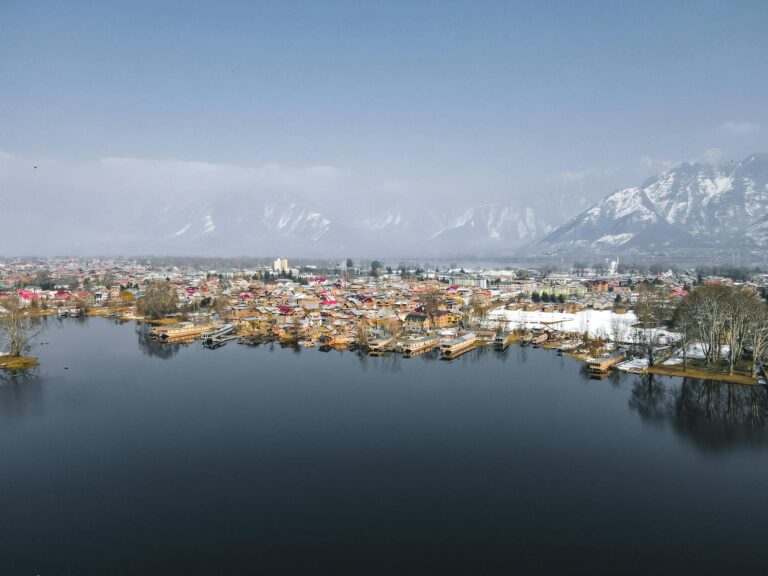
India's governance approach in Jammu and Kashmir has shifted toward legislative mechanisms designed to remove opposition figures from elected office, bypassing conventional democratic processes. This strategy raises significant questions about institutional legitimacy and regional stability in a strategically sensitive border region.