Physical Address
304 North Cardinal St.
Dorchester Center, MA 02124
Physical Address
304 North Cardinal St.
Dorchester Center, MA 02124


Southeast Asia faces a critical choice: whether to shape AI development according to regional interests or remain subordinate to foreign technology platforms. The region's response will determine whether AI generates inclusive prosperity or replicates historical patterns of economic extraction.

China employs fundamentally different energy strategies in Uzbekistan and Kyrgyzstan, prioritising modernisation in the stable former while pursuing stabilisation in the politically volatile latter. This divergence reveals Beijing's sophisticated risk management approach to Belt and Road investments.
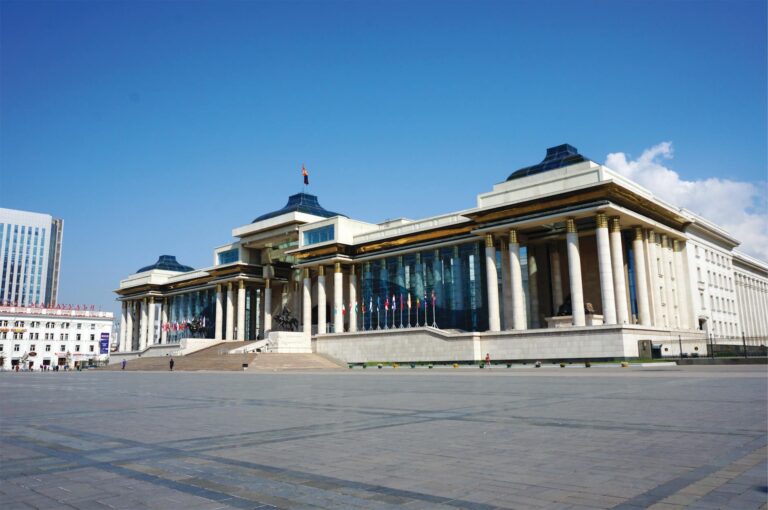
Mongolia's leadership transition tests the resilience of its democratic institutions and balancing strategy between great-power competition. The success or failure of this political moment carries implications for regional stability and institutional governance in Central Asia.
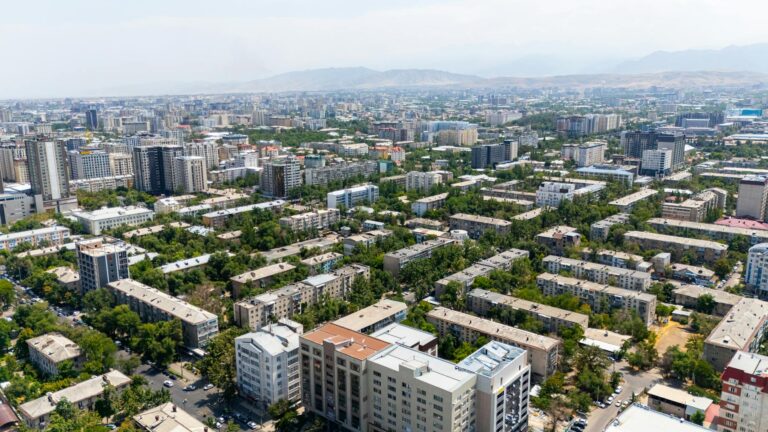
Kyrgyzstan has become a critical financial node facilitating cryptocurrency transactions between sanctioned Russia and Central Asian trade networks. This development reveals vulnerabilities in international sanctions regimes and creates regional stability challenges.
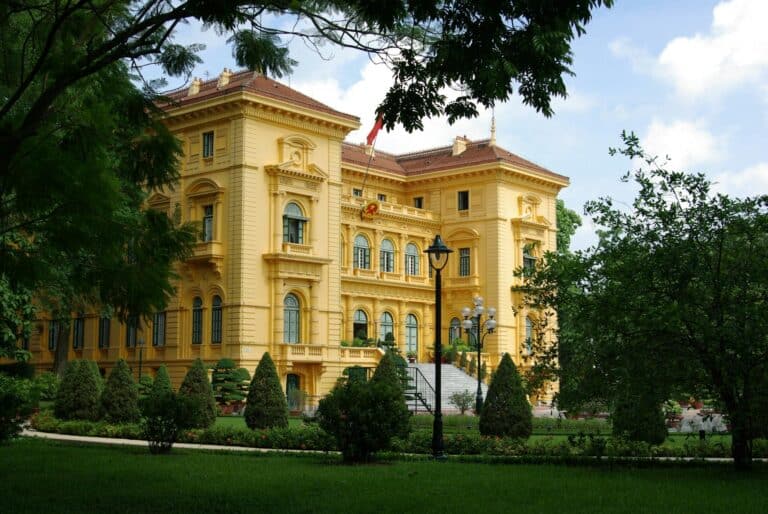
To Lam's appointment as Vietnam's State President while serving as Communist Party General Secretary breaks with decades of collective leadership. This institutional shift reflects leadership confidence in executive consolidation to address economic challenges and regional security pressures.

In June 2019, President Trump's unscripted DMZ summit with Kim Jong Un created global headlines but produced no substantive agreements. This analysis examines how personal diplomacy without institutional frameworks fails to resolve fundamental strategic disputes in Northeast Asia.
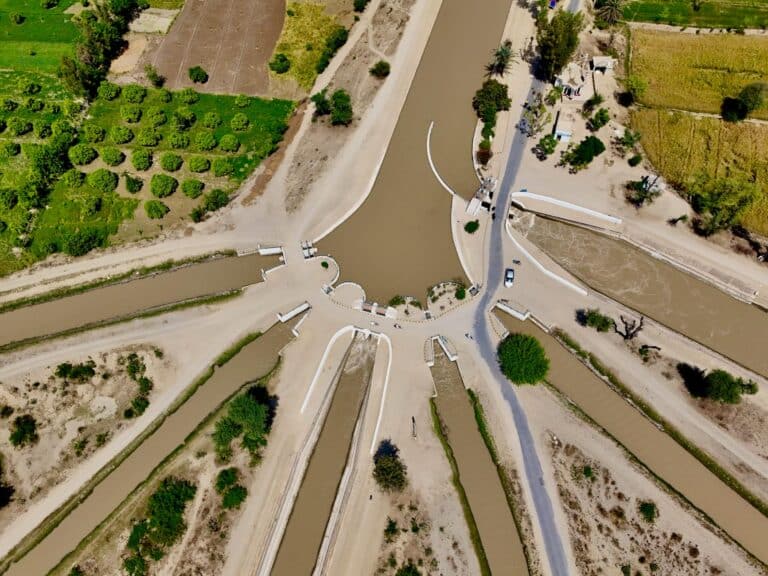
The Aral Sea's catastrophic collapse from deliberate water diversion reveals how resource mismanagement generates cascading geopolitical crises. Partial recovery efforts in Kazakhstan offer lessons for Indo-Pacific transboundary water governance amid rising competition for shared rivers.

Beijing's assimilationist ethnic policies and Taiwan's pluralistic democratic model represent fundamentally incompatible visions of nationhood, creating a structural barrier to reunification that transcends economic or diplomatic negotiation.

Australia's critical minerals partnerships with European nations offer genuine strategic diversification benefits, but structural limitations in European processing capacity and demand patterns mean China will retain dominance in mineral processing and consumption for the foreseeable future.
Beijing is accelerating diplomatic engagement with Taiwan's opposition KMT party under new chairman Cheng Li-wun, the most pro-China party leader in over a decade. The strategy aims to secure concessions on cross-strait negotiations and establish political foundations for potential future policy shifts favorable to the mainland.