Physical Address
304 North Cardinal St.
Dorchester Center, MA 02124
Physical Address
304 North Cardinal St.
Dorchester Center, MA 02124

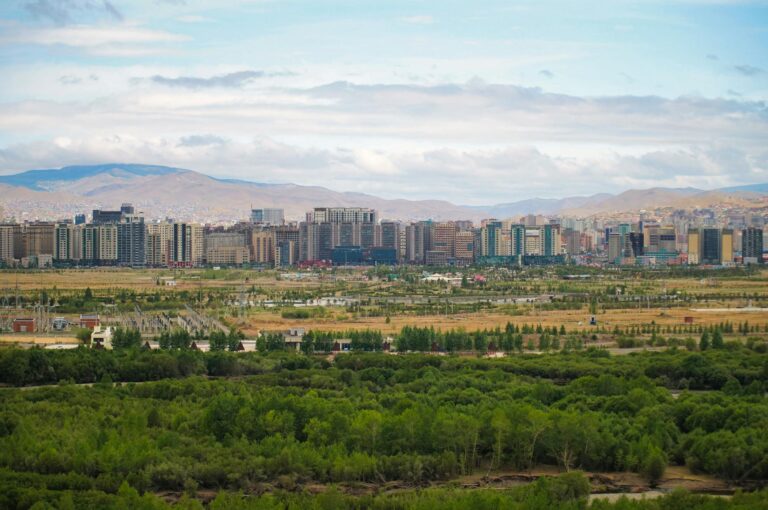
The EU is deepening strategic engagement with Mongolia, integrating development, democracy, and security cooperation to support the landlocked nation's autonomy amid intensifying great power competition. This partnership reflects European recognition that Central Asian stability is essential to broader Indo-Pacific security.
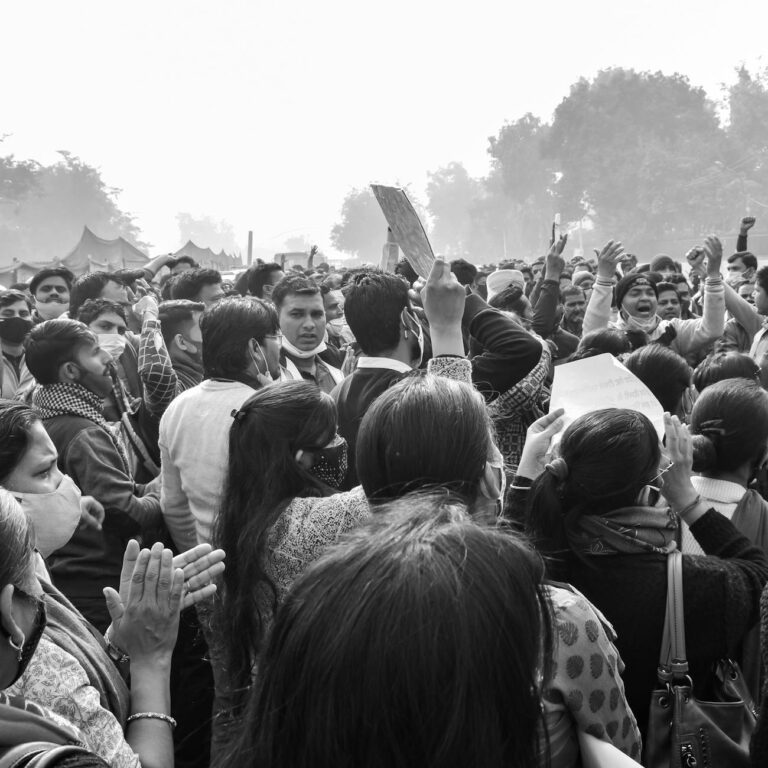
The BJP's victories in West Bengal, Assam, and Puducherry elections consolidate Prime Minister Narendra Modi's political control over India's strategically vital eastern and northeastern regions, strengthening the government's capacity to pursue its Indo-Pacific engagement strategy.
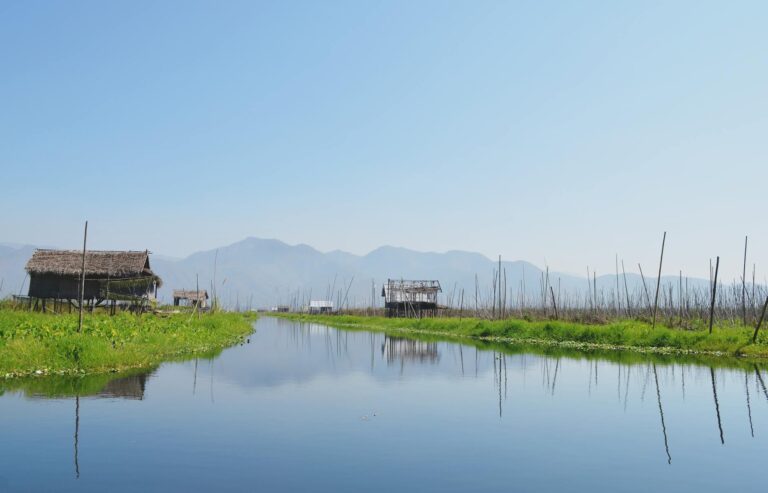
The Arakan Army's leadership under Twan Mrat Naing has adopted a strategic negotiating posture rejecting capitulation to Myanmar's military junta, leveraging territorial control in Rakhine State as a foundation for political influence. The organization's military capabilities and regional implications for India and Bangladesh shape Myanmar's fragmented conflict landscape.

Philippine lawmakers and civil society activists planted the national flag on Sandy Cay in the disputed South China Sea despite Chinese maritime presence. The operation signals Manila's strategic shift toward assertiveness under President Marcos, marking a departure from previous accommodation policies.

A US court dismissed a lawsuit by Rohingya refugees against Meta, citing Section 230 protections for online platforms. The decision reveals significant legal barriers to holding technology companies accountable for algorithmic amplification of hate speech linked to genocide, with major implications for Indo-Pacific digital governance.
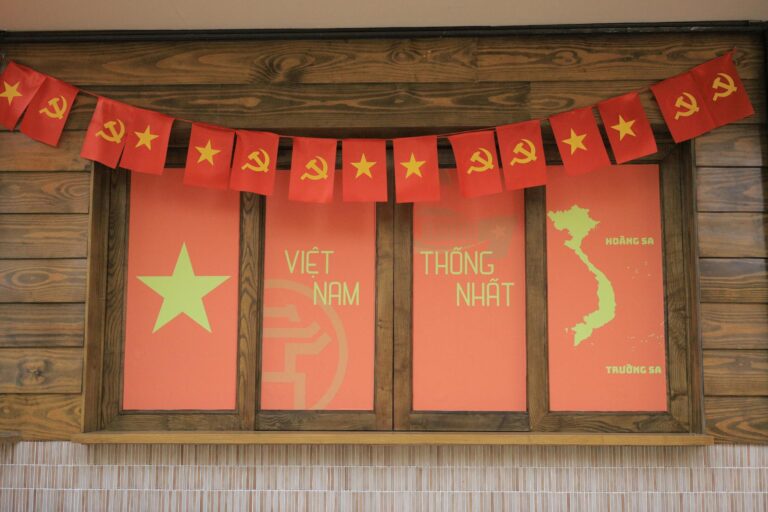
Vietnam's Communist Party General Secretary To Lam's visit to Beijing signals a critical effort to reset one of Southeast Asia's most strategically important bilateral relationships. A prospective 2026 joint statement could reshape regional dynamics around South China Sea disputes, economic integration, and great power competition.
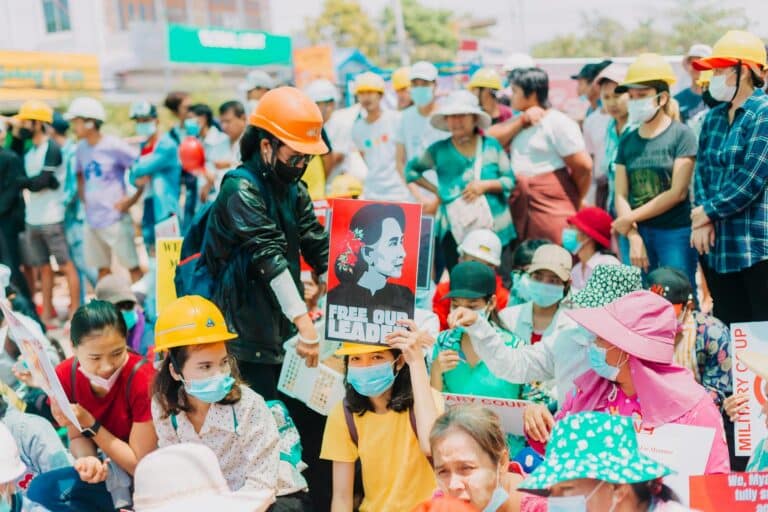
Myanmar is not undergoing democratic transition but rather experiencing a structural conflict between an entrenched military junta and an increasingly organized armed resistance movement. Western policymakers must abandon outdated transition frameworks and recognize the resistance as a legitimate political force reshaping the country's future.

The Quad's shift away from regular leader-level summits masks a deepening of operational coordination among Australia, India, Japan, and the United States. Working-level mechanisms now drive substantive cooperation on maritime security, Pacific Islands strategy, and supply chain resilience—making the partnership more durable despite reduced public visibility.
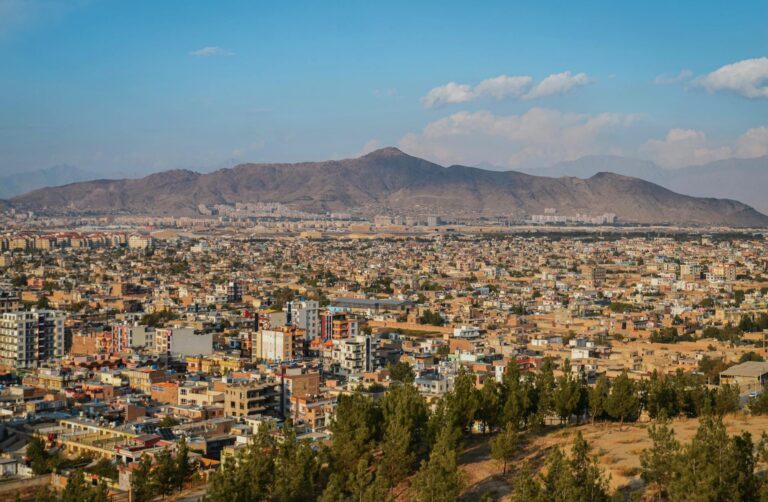
China's administrative restructuring of its Afghanistan policy apparatus signals a strategic shift from peripheral border management to active integration within Central Asia. The consolidation reflects Beijing's confidence in pursuing long-term economic, security, and geopolitical objectives across the region.

China's military-civil fusion strategy persists despite rhetorical retreat from public discussion. Beijing has rebranded rather than abandoned a core defence integration program that remains essential to military modernisation, creating persistent challenges for Western technology security policy.