Physical Address
304 North Cardinal St.
Dorchester Center, MA 02124
Physical Address
304 North Cardinal St.
Dorchester Center, MA 02124
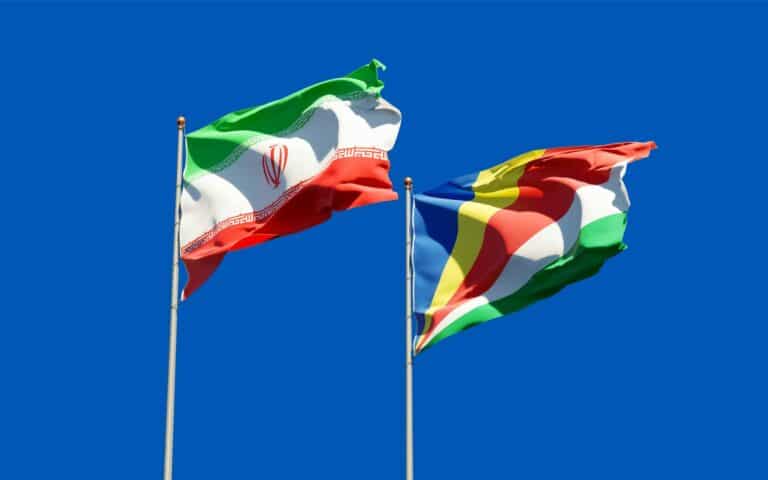
The Iran crisis exposes fundamental contradictions within BRICS' multipolar model. Divergent strategic interests among Russia, China, India, and South Africa reveal that the bloc lacks the institutional mechanisms to coordinate effective responses to major regional conflicts, raising questions about its viability as an alternative to Western-led security architecture.
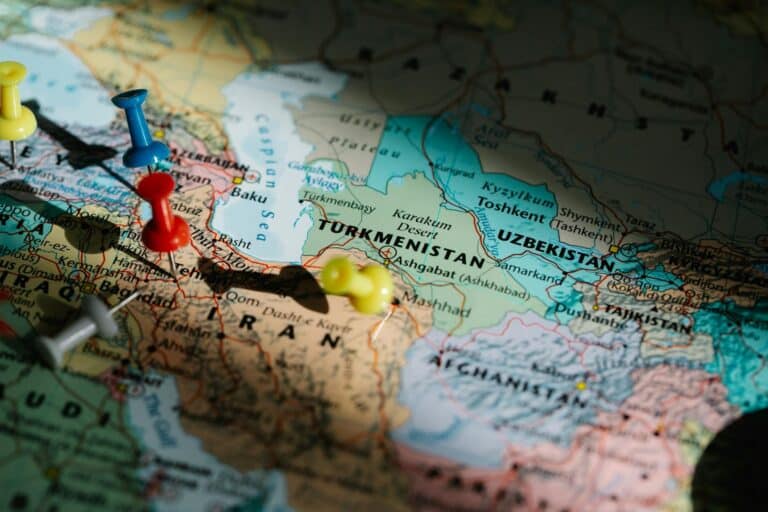
Central Asian states face mounting pressure from Middle East escalation, threatening energy security, fueling extremism risks, and complicating great power balancing acts. Kazakhstan, Uzbekistan, and neighboring capitals must strengthen institutional capacity and economic resilience to weather potential spillover effects.

Prime Minister Modi's Israel visit signals India's strategic realignment toward partnership-based Middle East diplomacy, prioritizing defence cooperation with Israel while maintaining strategic silence on Iranian tensions—marking a departure from traditional non-aligned balancing.
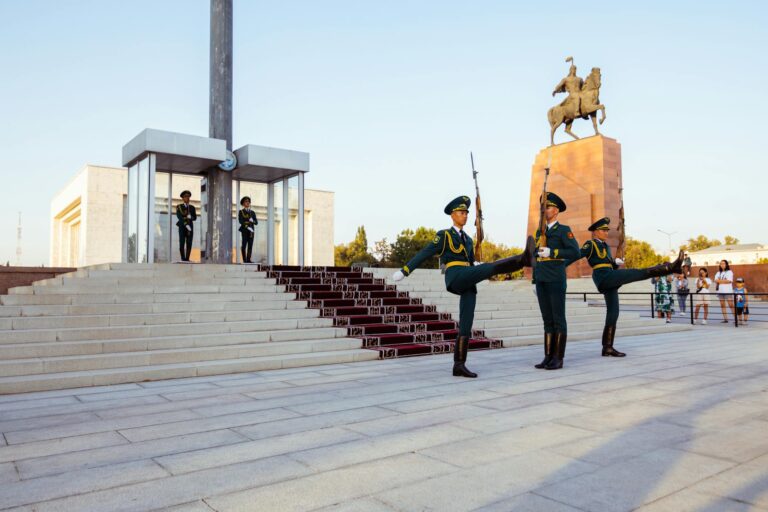
The EU's sanctions envoy has directly engaged Kyrgyzstan over its role in facilitating Russian sanctions evasion, signaling Brussels' determination to enforce restrictions across Central Asia. The intervention reveals both the sophistication of Russian circumvention networks and the constraints facing third countries attempting to balance economic dependence on Russia with Western pressure.
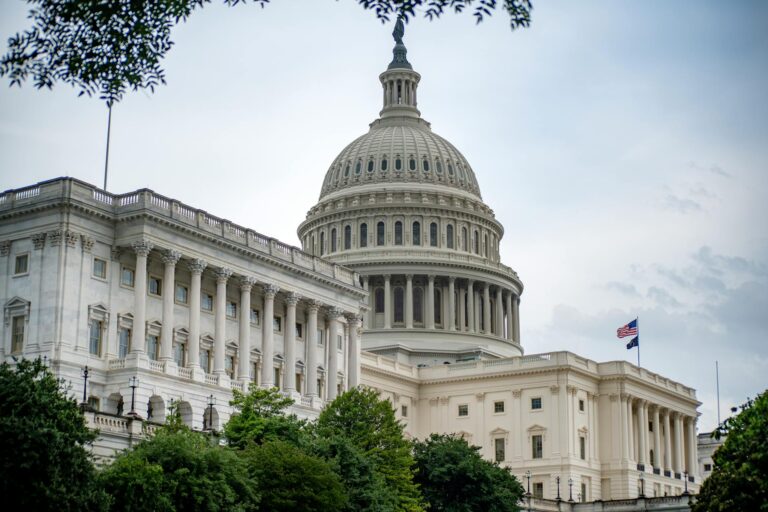
Trump's omission of China from his 2022 State of the Union address reflects Republican divisions over tariff policy rather than diplomatic softening. The strategic silence reveals how US-China competition has become entangled with domestic inflation concerns and midterm electoral politics.

China's state broadcaster CCTV strategically frames coverage of Iran's internal crises to serve Beijing's geopolitical interests and reinforce authoritarian governance narratives. This analysis examines how state-controlled media functions as a tool of foreign policy and great power competition.
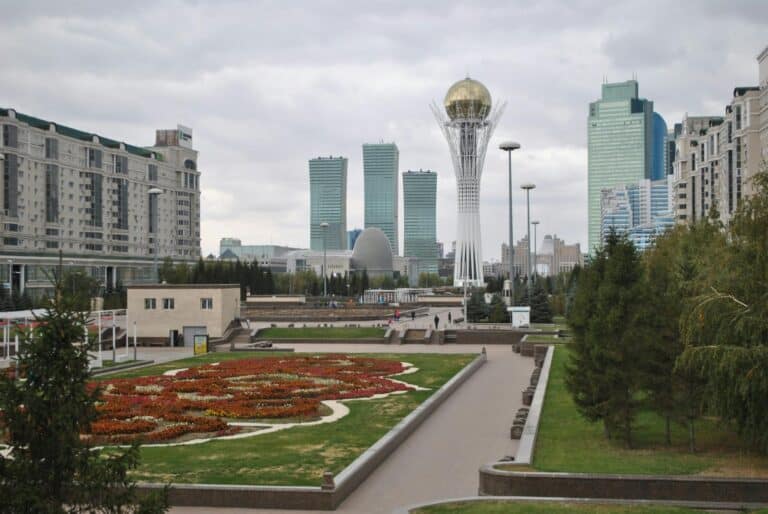
Kazakhstan's decision to extradite Russian activist Yulia Yemelyanova reflects Astana's strategic priority of maintaining stable relations with Moscow over providing refuge to Russian dissidents. This pattern reveals the constraints on Kazakhstan's foreign policy autonomy and has broader implications for regional security dynamics.