Physical Address
304 North Cardinal St.
Dorchester Center, MA 02124
Physical Address
304 North Cardinal St.
Dorchester Center, MA 02124
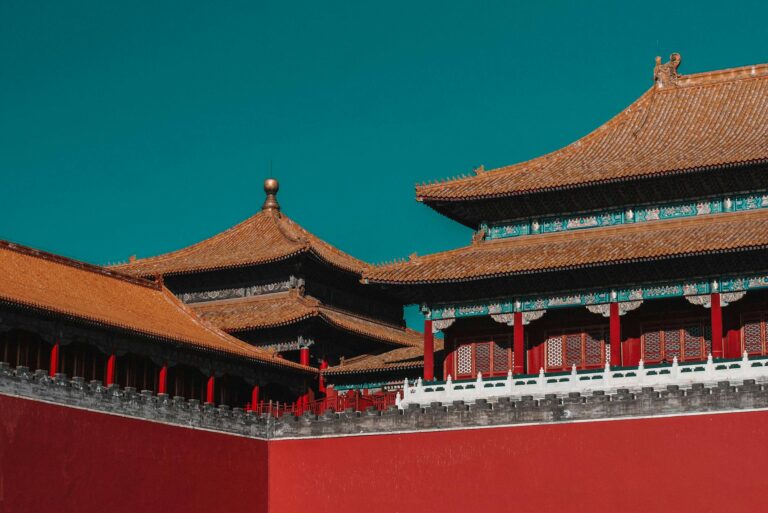
General Secretary To Lam's state visit to Beijing signals Vietnam's strategic commitment to managing its relationship with China while maintaining firm positions on South China Sea disputes and ASEAN leadership responsibilities.

The Philippine government systematically deploys climate disinformation to justify red-tagging Indigenous land defenders, creating a lethal convergence of false narratives and state violence that threatens both human rights and climate action effectiveness across the Indo-Pacific region.

China is systematically advancing military capabilities, deepening economic integration, and securing diplomatic support across the Indo-Pacific ahead of high-level engagement with the Trump administration. Beijing is leveraging Washington's focus on Middle Eastern instability to consolidate positions in contested waters and strengthen regional dependencies.
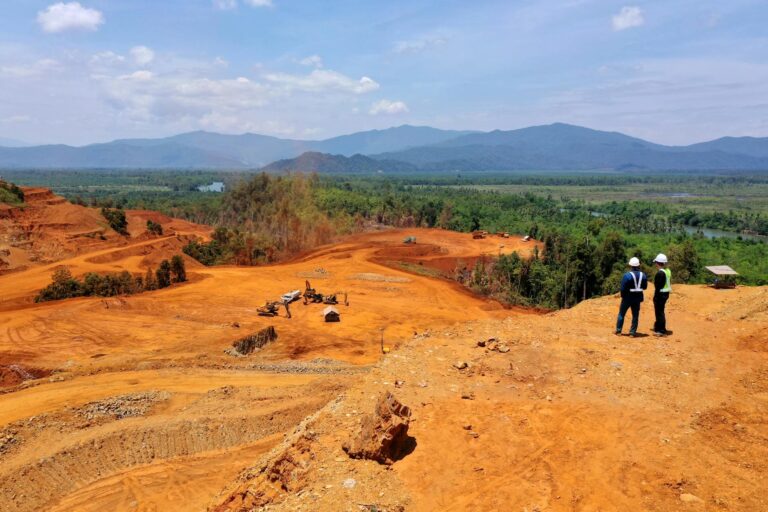
President Prabowo Subianto is restructuring Indonesia's energy partnerships through diplomatic engagement, reducing Middle Eastern dependence and positioning the nation as a critical hub for minerals, LNG, and clean energy technologies. This strategic reorientation has significant implications for Indo-Pacific energy security and regional autonomy.
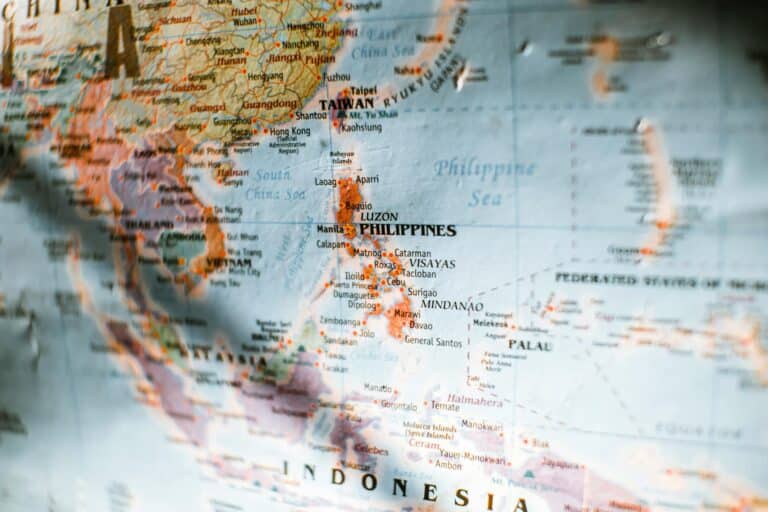
President Ferdinand Marcos Jr.'s openness to joint oil exploration with China in the South China Sea is constrained by the Philippine Constitution, which mandates state control of resource extraction. This constitutional framework creates structural barriers to agreements that might satisfy Beijing's sovereignty claims while maintaining Philippine legal authority.

Southeast Asia faces a critical choice: whether to shape AI development according to regional interests or remain subordinate to foreign technology platforms. The region's response will determine whether AI generates inclusive prosperity or replicates historical patterns of economic extraction.
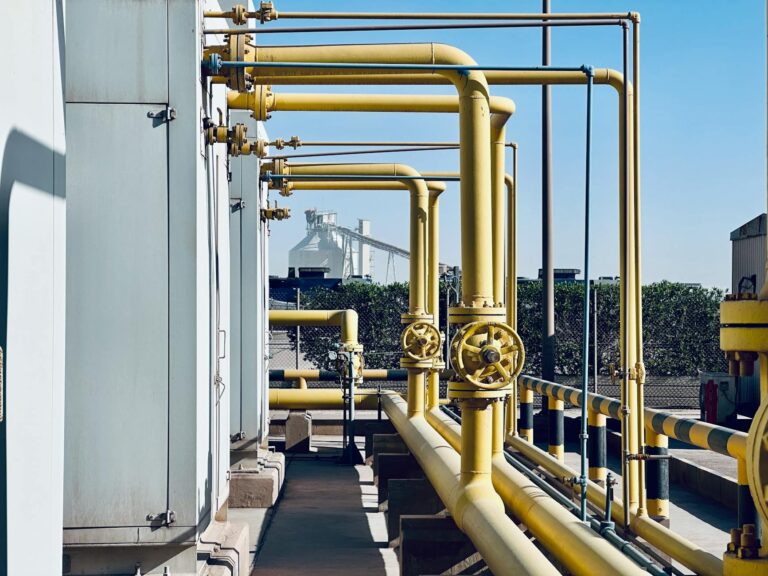
China employs fundamentally different energy strategies in Uzbekistan and Kyrgyzstan, prioritising modernisation in the stable former while pursuing stabilisation in the politically volatile latter. This divergence reveals Beijing's sophisticated risk management approach to Belt and Road investments.
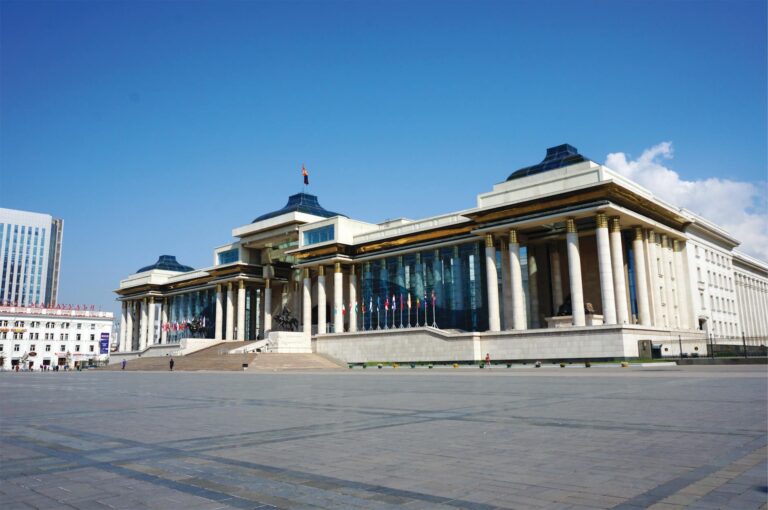
Mongolia's leadership transition tests the resilience of its democratic institutions and balancing strategy between great-power competition. The success or failure of this political moment carries implications for regional stability and institutional governance in Central Asia.
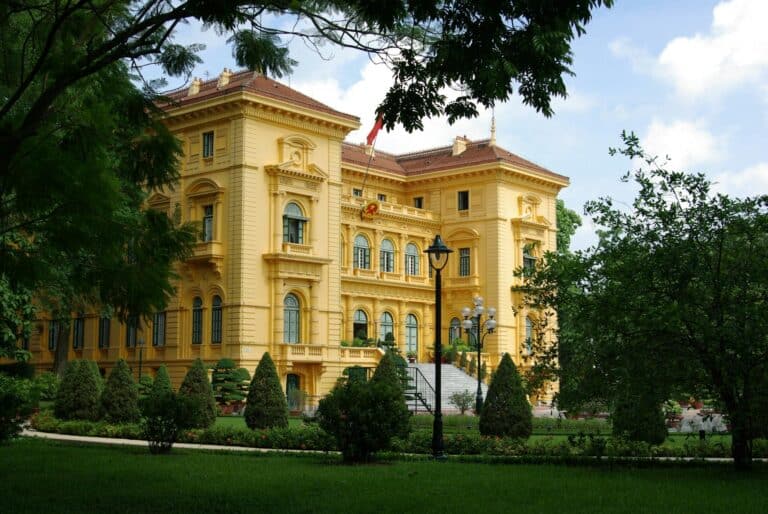
To Lam's appointment as Vietnam's State President while serving as Communist Party General Secretary breaks with decades of collective leadership. This institutional shift reflects leadership confidence in executive consolidation to address economic challenges and regional security pressures.

In June 2019, President Trump's unscripted DMZ summit with Kim Jong Un created global headlines but produced no substantive agreements. This analysis examines how personal diplomacy without institutional frameworks fails to resolve fundamental strategic disputes in Northeast Asia.