Physical Address
304 North Cardinal St.
Dorchester Center, MA 02124
Physical Address
304 North Cardinal St.
Dorchester Center, MA 02124

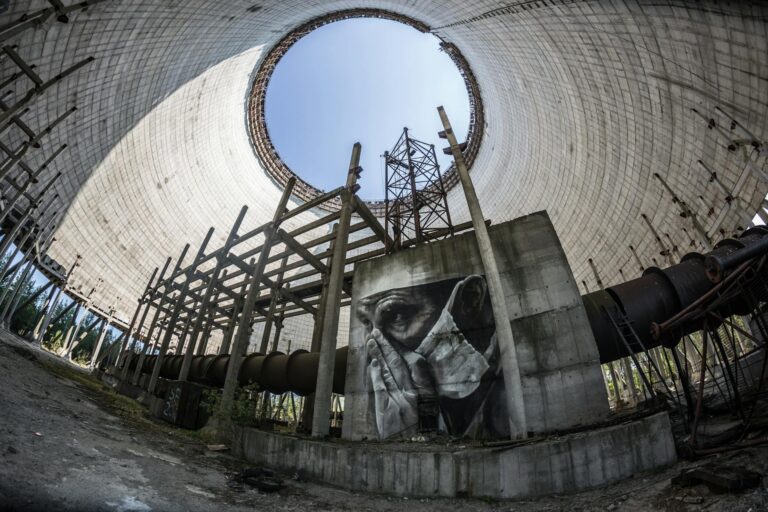
Canada and India have concluded a $1.9 billion uranium supply agreement, signalling a deliberate recalibration of bilateral relations after recent diplomatic tensions. The long-term contract addresses India's civilian nuclear energy expansion while demonstrating pragmatic cooperation on energy security.
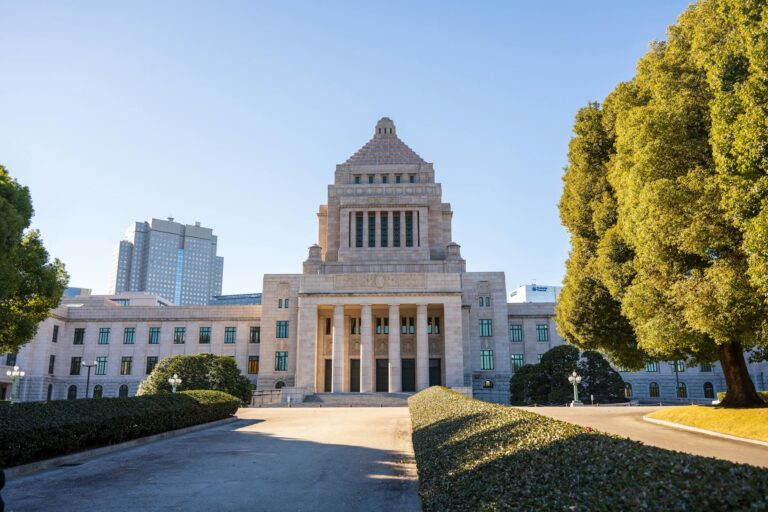
Team Mirai's capture of 11 lower house seats in 2025 signals a significant political realignment in Japan, fragmenting the LDP-led ruling coalition and introducing new variables into Tokyo's Indo-Pacific strategy during a period of heightened regional tensions.
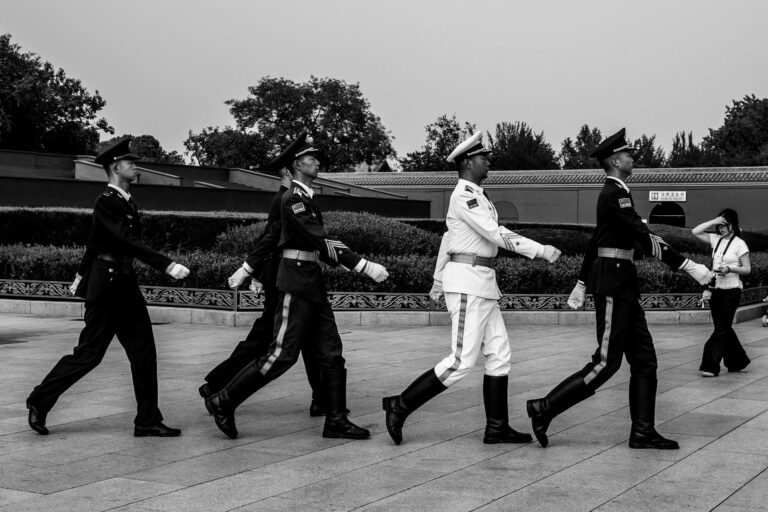
The removal of Zhang Youxia from China's Central Military Commission signals Xi Jinping's tightening control over the military establishment, with direct implications for Taiwan's security and Indo-Pacific stability.
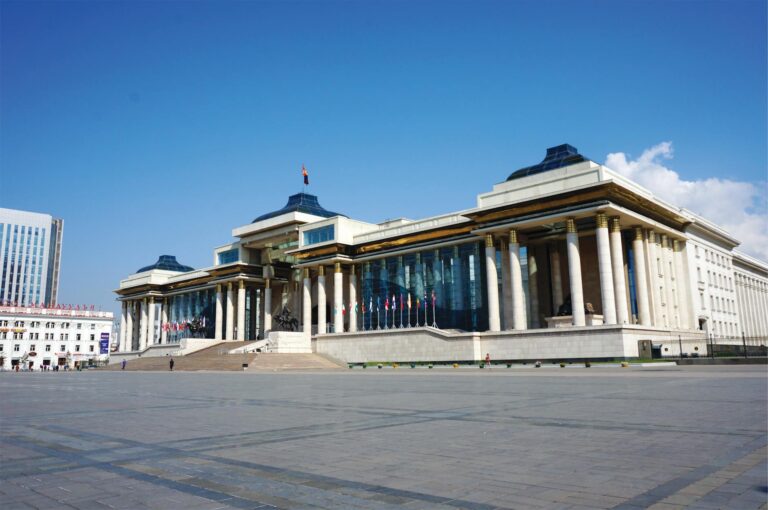
The United States is intensifying engagement with Mongolia beyond traditional "Third Neighbor" frameworks, recognizing Ulaanbaatar's strategic significance amid great power competition. Ambassador Richard L. Buangan's diplomatic efforts reflect American interests in Mongolia's democratic governance, rare earth minerals, and geopolitical position—though deepening ties faces constraints from Mongolia's structural dependence on China and Russia.
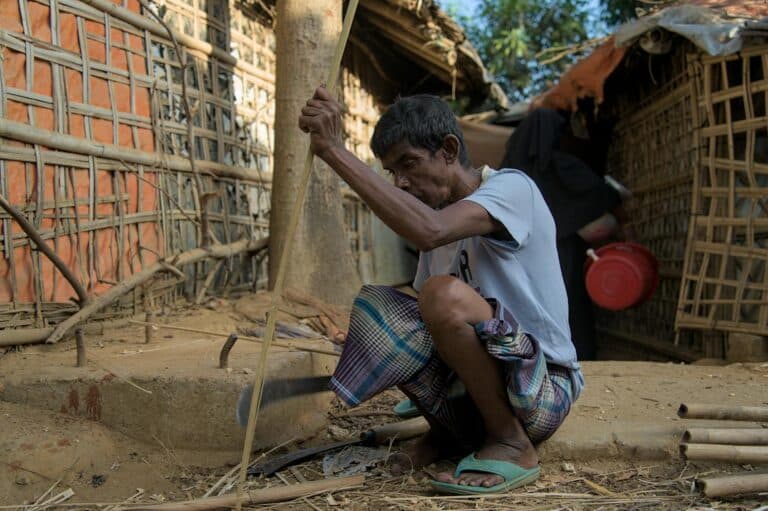
Myanmar's Rakhine conflict is generating significant economic spillover into Bangladesh through trade disruption, smuggling expansion, and illicit financial flows. The conflict threatens Bangladesh's energy security and garment export competitiveness while strengthening black market networks.

The failed nomination of conservative media figure Nick Adams as US Ambassador to Malaysia reveals the limits of domestic political appointments in Indo-Pacific diplomacy. His pro-Israel positions and controversial public persona proved incompatible with Malaysian values and regional consensus.

Laos faces a deepening governance crisis as enforced disappearances of political activists intensify around national elections, revealing systematic state repression that undermines democratic legitimacy and regional stability within Southeast Asia.
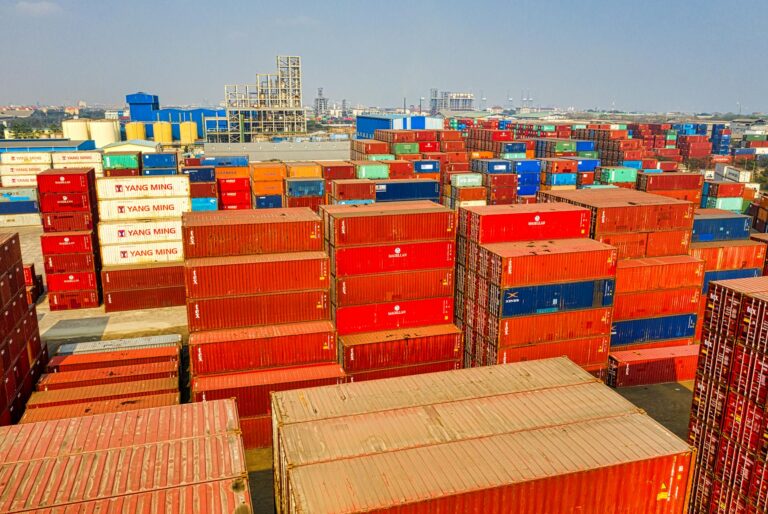
Sixteen years after implementation, Indonesia's trade deficit with China has widened dramatically under ACFTA, revealing structural asymmetries in the agreement that have favoured Chinese manufacturers while constraining Indonesian industrial development. This pattern has reshaped Jakarta's approach to trade negotiations and regional economic strategy.
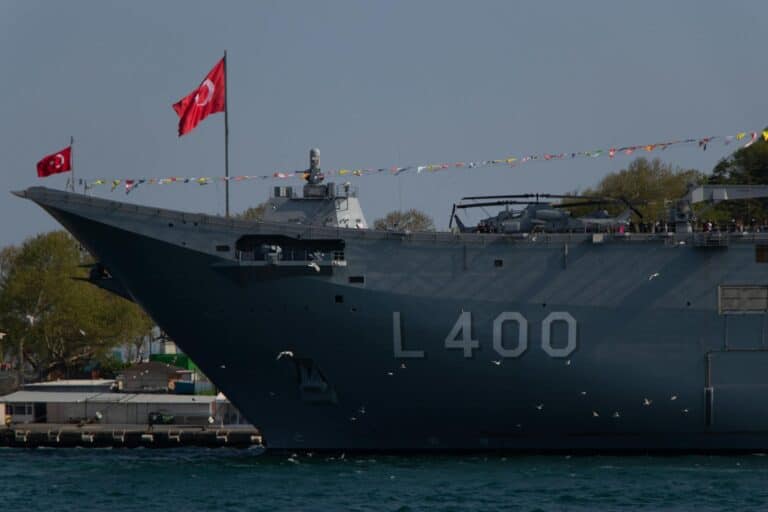
Japan is expanding defence exports as a strategic tool to strengthen Indo-Pacific partnerships, but constitutional revision remains politically contentious. While lawmakers support reform in principle, disagreement over specific amendments means Japan can achieve its security objectives through existing constitutional frameworks.

Bangladesh's 2026 general election produced only seven female parliamentarians out of 300 seats, marking a historic collapse in women's political representation. This regression exposes critical failures in political parties, electoral institutions, and the relationship between development gains and democratic inclusion.