Physical Address
304 North Cardinal St.
Dorchester Center, MA 02124
Physical Address
304 North Cardinal St.
Dorchester Center, MA 02124


Beijing's assimilationist ethnic policies and Taiwan's pluralistic democratic model represent fundamentally incompatible visions of nationhood, creating a structural barrier to reunification that transcends economic or diplomatic negotiation.
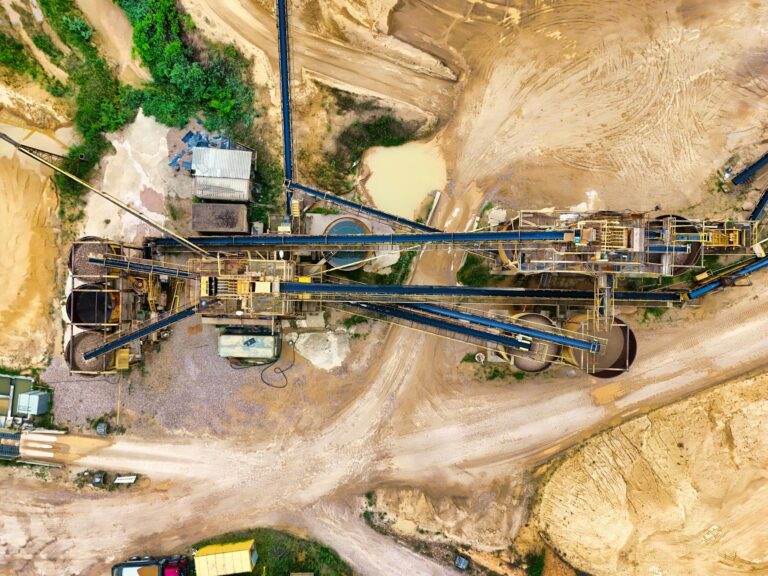
Australia's critical minerals partnerships with European nations offer genuine strategic diversification benefits, but structural limitations in European processing capacity and demand patterns mean China will retain dominance in mineral processing and consumption for the foreseeable future.
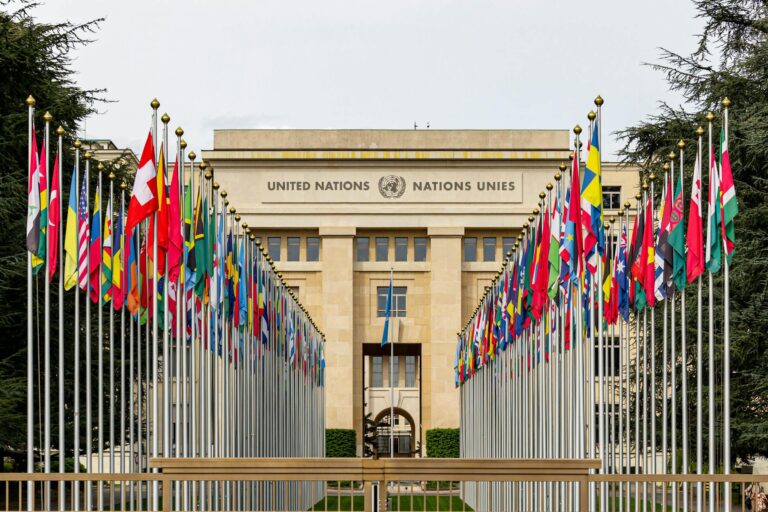
Beijing is accelerating diplomatic engagement with Taiwan's opposition KMT party under new chairman Cheng Li-wun, the most pro-China party leader in over a decade. The strategy aims to secure concessions on cross-strait negotiations and establish political foundations for potential future policy shifts favorable to the mainland.

The June 2019 Trump-Kim DMZ summit achieved symbolic diplomatic progress but failed to produce substantive breakthroughs on denuclearization. This analysis examines how unprepared high-level engagement, while generating international attention, cannot substitute for rigorous negotiating frameworks on North Korea's nuclear program.
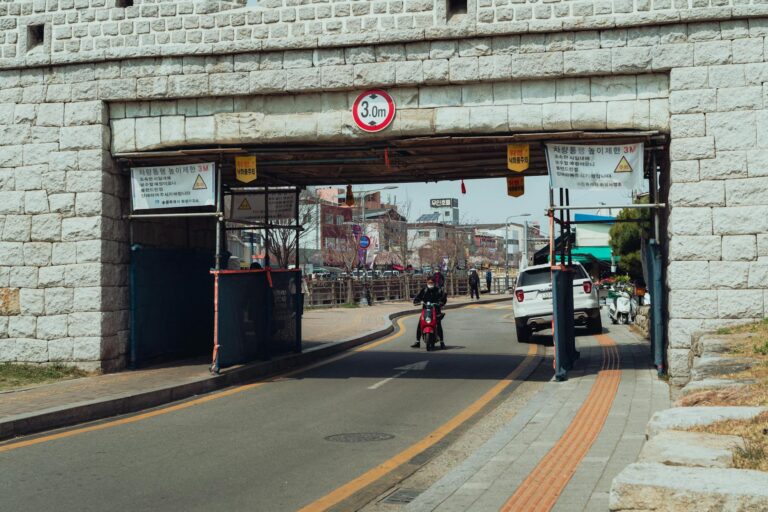
The June 2019 Trump-Kim Jong Un summit at the Korean DMZ offered unprecedented symbolism but minimal substance. This analysis examines how personality-driven diplomacy without institutional support failed to achieve denuclearization progress and what it reveals about regional security challenges.
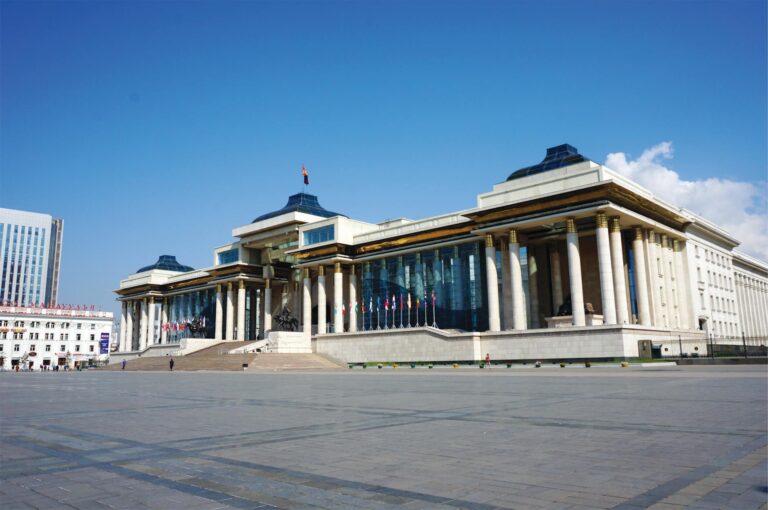
Mongolia has experienced three government changes in just ten months, exposing critical weaknesses in its parliamentary institutions and governance capacity. This political instability carries significant implications for Mongolia's economic development and its strategic balance between Russia and China.

Japan, South Korea, and the United States are constructing a practical technological alliance focused on semiconductor supply chains, export controls, and research coordination. This represents a strategic recalibration designed to reduce dependence on China in critical industries.

Tokyo's erosion of informal public gathering spaces reflects a critical but overlooked challenge to social cohesion and regional stability. As third places decline and public space becomes transactionalized, Japan's experience offers a cautionary model for other Indo-Pacific economies facing similar urbanization pressures.

A sustained Middle East conflict could trigger an energy crisis with cascading effects on Southeast Asia's food systems. Historical precedent from 2008 demonstrates how oil price spikes compress agricultural margins, reduce fertiliser availability, and ultimately threaten social stability across the region's most populous nations.

The territorial dispute between Vanuatu and France over Matthew and Hunter Islands reflects deeper questions about sovereignty, maritime jurisdiction, and colonial legacies in the Pacific. Ongoing negotiations reveal how historical ambiguities continue shaping modern Indo-Pacific diplomacy and resource competition.