Physical Address
304 North Cardinal St.
Dorchester Center, MA 02124
Physical Address
304 North Cardinal St.
Dorchester Center, MA 02124

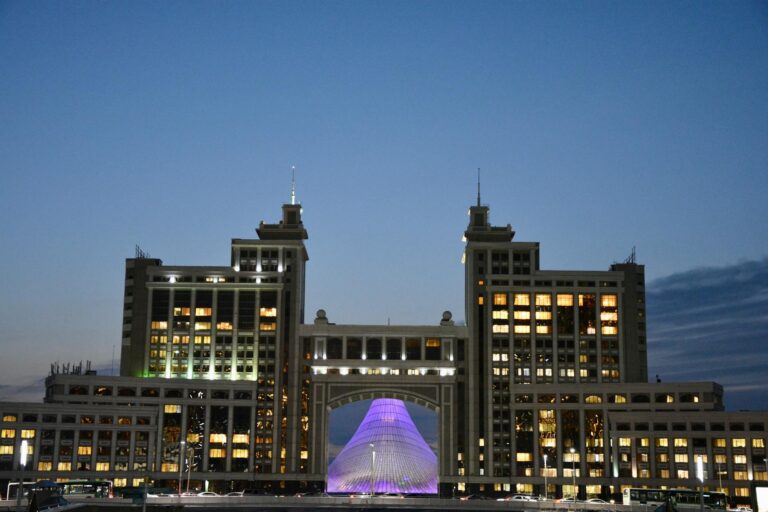
Kazakhstan's $6 billion military modernization program reflects strategic preparation for Indo-Pacific instability rather than immediate regional threats. The country is integrating unmanned systems, artificial intelligence, and diversified supplier relationships to prepare for a future where distant conflicts could disrupt critical trade corridors and destabilize Central Asia.

The Quad's new Indo-Pacific Maritime Surveillance Collaboration targets Indian Ocean maritime security through coordinated surveillance and real-time intelligence sharing. However, its effectiveness depends on addressing regional concerns about great power competition and establishing transparent partnerships with littoral states.
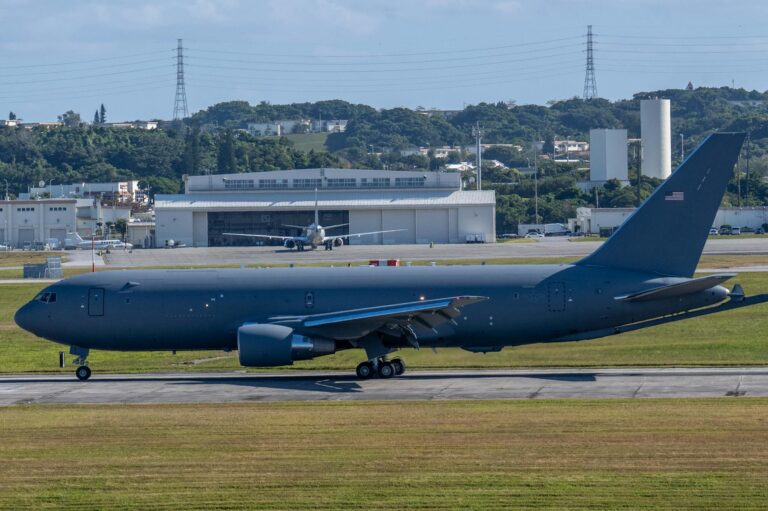
Okinawa hosts 70% of US military bases in Japan despite comprising less than 1% of the nation's land area. Yet scholarly analysis and military assessments increasingly question whether this concentration provides proportional deterrence value or instead creates strategic vulnerability.
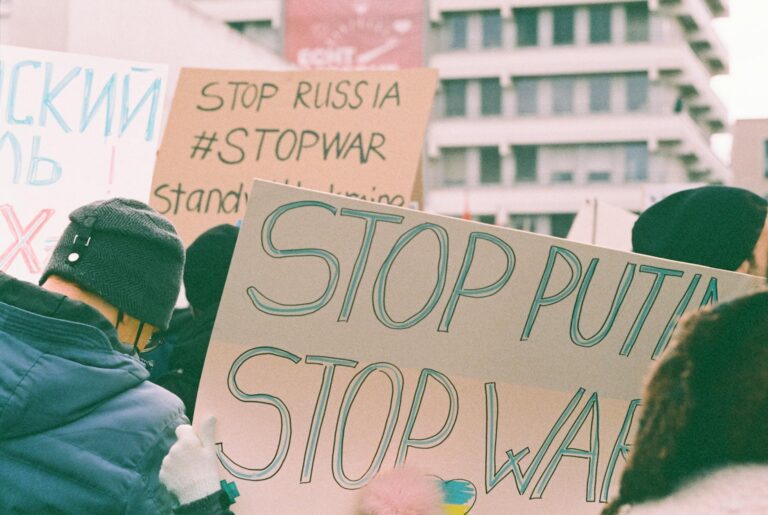
China's May 2026 declaration with Russia consolidates Beijing's strategic support for Moscow's war against Ukraine, using diplomatic language that erases Russian responsibility while deepening military, economic, and information coordination. The agreement signals China's fundamental challenge to the rules-based international order and carries direct implications for Indo-Pacific security.
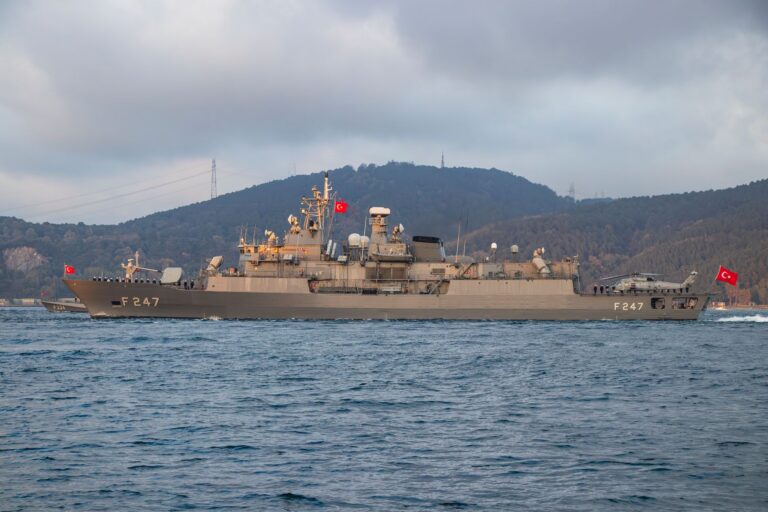
China's Type 054B frigate Luohe deployed with the Liaoning carrier strike group in the Western Pacific in May 2026, marking the first confirmed integration of this advanced platform into far-seas operations. The deployment signals the PLAN's transition from fleet expansion toward integrated carrier operations and sustained blue-water capability.
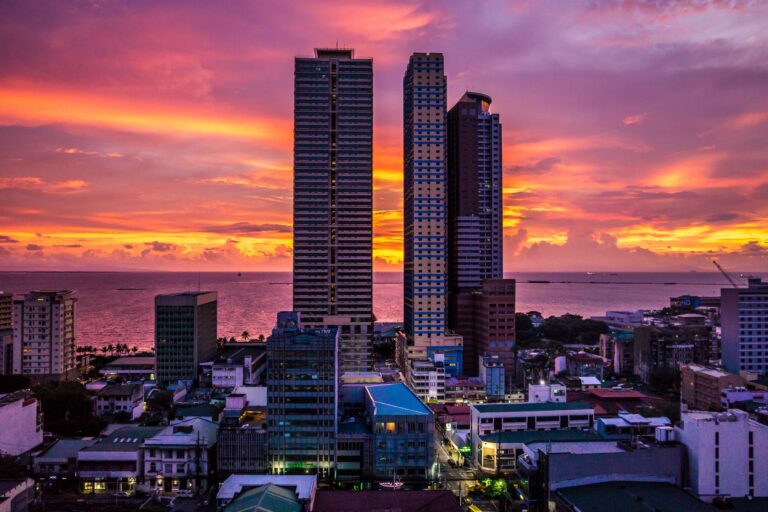
The Philippines maintains its U.S. alliance while strategically engaging China on economic and diplomatic issues, balancing security commitments with energy security needs and ASEAN chair responsibilities in 2026.
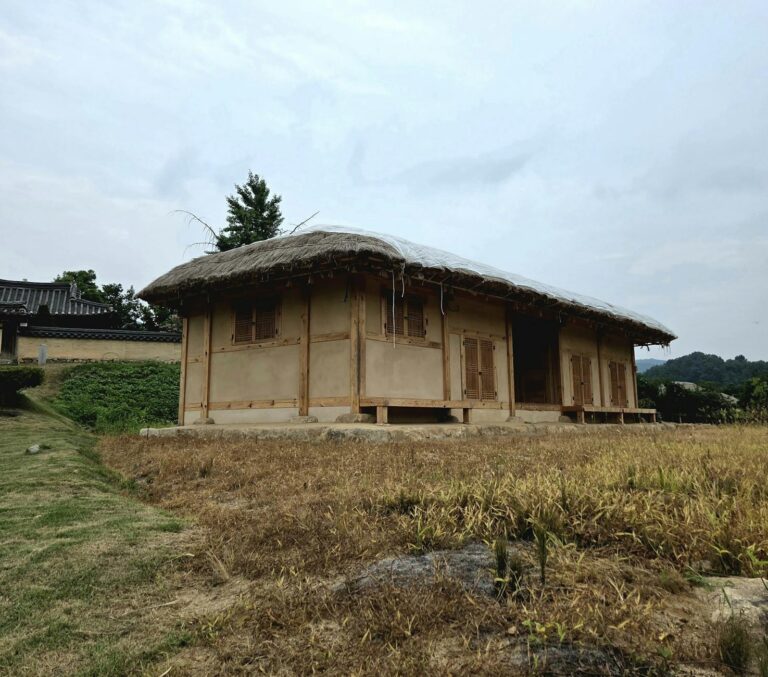
Japan and South Korea are intensifying bilateral engagement under Prime Ministers Sanae Takaichi and President Lee Jae-myung, driven by shared security challenges and generational shifts in public attitudes. However, fundamental strategic divergences on North Korea policy persist due to differing geographic and economic positions.
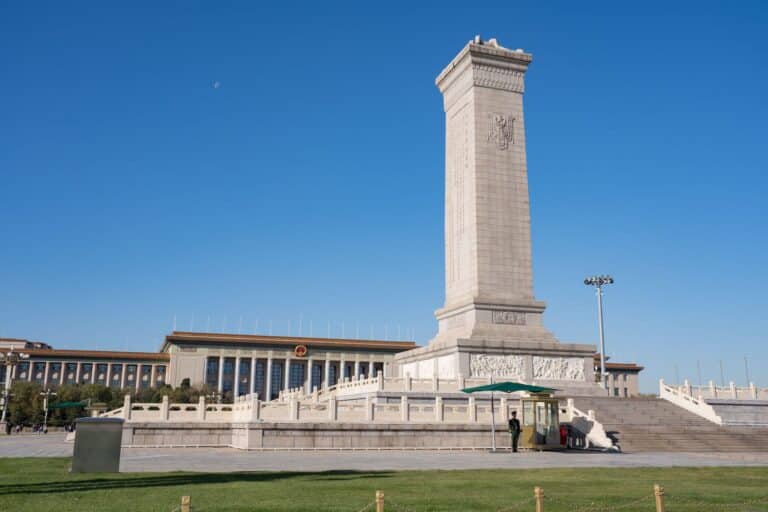
The May 2026 US-China summit's emphasis on a "constructive and stable" relationship masks Beijing's hardening position on Taiwan, creating significant pressure on Japan. As China positions Taiwan stability as central to great power management, Tokyo faces narrowing policy flexibility and uncertain US backing.

Kazakhstan's dominant super-apps like Kaspi operate beyond meaningful regulatory oversight, wielding corporate power to block accounts and revoke access to essential services. As biometric data aggregates in centralized platforms, the nation faces a critical gap between technological advancement and consumer protection.
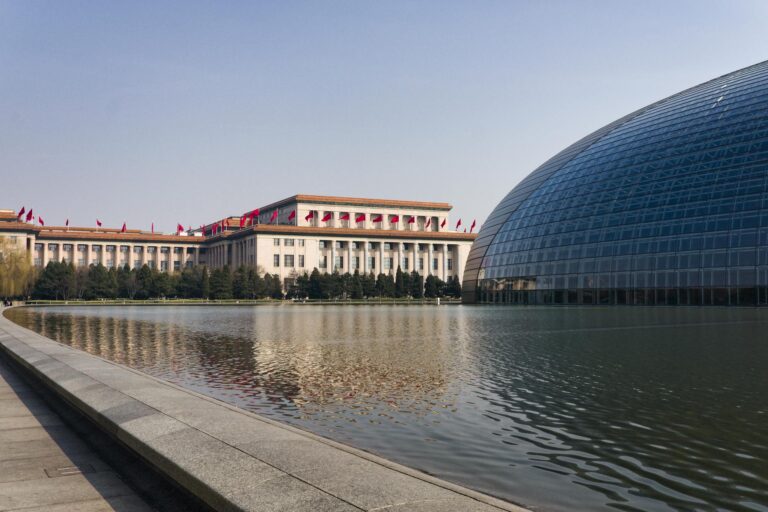
Putin's May 2026 visit to Beijing revealed the depth of China-Russia strategic alignment, exposing Washington's failed strategy of driving a wedge between Beijing and Moscow. The substantive Putin-Xi summit contrasted sharply with the hollow Trump-Xi meeting days earlier, demonstrating that personal diplomacy cannot overcome structural geopolitical convergence.