Physical Address
304 North Cardinal St.
Dorchester Center, MA 02124
Physical Address
304 North Cardinal St.
Dorchester Center, MA 02124


Former Thai PM Thaksin Shinawatra's parole marks a critical juncture for Thai politics. His release comes as his Pheu Thai Party faces electoral collapse and junior coalition status, raising questions about whether he can revive the party's fortunes or whether his continued influence perpetuates its decline.

Pakistan's use of Chinese J-10C fighters in May 2025 aerial clashes with India transformed Chinese combat aircraft from budget alternatives into battle-tested systems. The resulting surge in sales—including Indonesia's USD $9 billion commitment for 42 fighters—signals a fundamental realignment of Indo-Pacific defense procurement away from exclusive Western dependence.

US-China trade governance requires binding institutional procedures, not just high-level dialogue. A credible Board of Trade must establish predictable review criteria, separate commercial from security oversight, and create permanent technical infrastructure to prevent routine disputes from triggering geopolitical escalation.

Malaysia's rare earth supply agreement with the U.S. Department of Defense has triggered backlash from 57 civil society organizations over concerns about military complicity and sovereignty. The controversy reveals how middle powers navigate competing pressures from great power competition while maintaining non-aligned foreign policy commitments.

On May 7, 2024, the UK convicted two operatives running a shadow police operation, the US prosecuted a clandestine Chinese police station operator in Manhattan, and Norway arrested a Chinese national targeting space infrastructure. These simultaneous actions expose Beijing's systematic transnational repression campaign but reveal dangerous gaps in democratic coordination.

ASEAN's 2026 survey reveals the region is rejecting dependence on both the US and China, seeking instead autonomous institutional capacity. Japan must support this shift through technical assistance and middle-power coordination to strengthen regional stability and its own economic interests.

China's suspended death sentences for former Defense Ministers Wei Fenghe and Li Shangfu mark an escalation in Xi Jinping's military purge. This analysis examines why Xi imposed such severe punishments and what they reveal about the PLA's transformation into a fear-driven institution.

Indonesia's foreign policy operates in unprecedented quiet under President Prabowo Subianto, as political realignment has muted public scrutiny and media criticism. This erosion of democratic oversight poses risks to Indonesia's traditional system of checks on executive power in international relations.
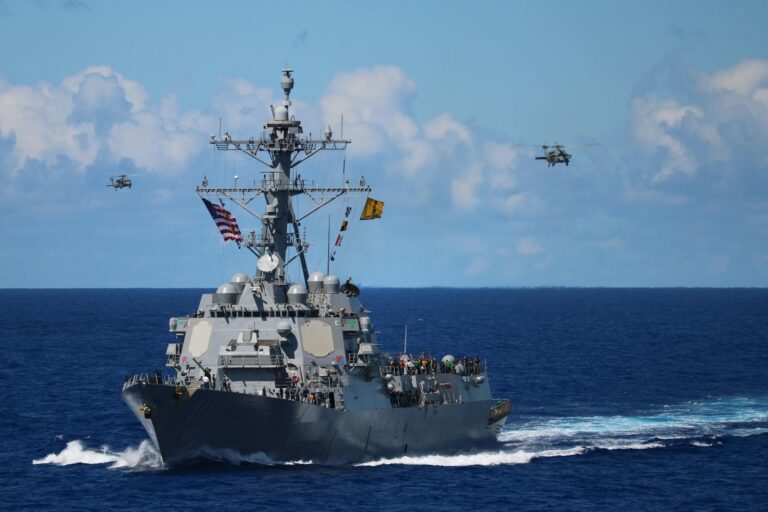
Japan's military modernization, arms export liberalization, and strategic repositioning represent a fundamental shift from post-war restraint to active regional power balancing. China interprets these moves as preparations for confrontation, creating a dangerous escalation spiral with significant implications for Indo-Pacific security and global supply chains.

South Korea and the United States have debated wartime operational control transfer for over two decades without resolution. The impasse reflects fundamental tensions between military sovereignty and strategic stability, with both nations implicitly concluding that the current unified command structure serves their interests better than alternatives.