Physical Address
304 North Cardinal St.
Dorchester Center, MA 02124
Physical Address
304 North Cardinal St.
Dorchester Center, MA 02124


Laos faces a deepening governance crisis as enforced disappearances of political activists intensify around national elections, revealing systematic state repression that undermines democratic legitimacy and regional stability within Southeast Asia.
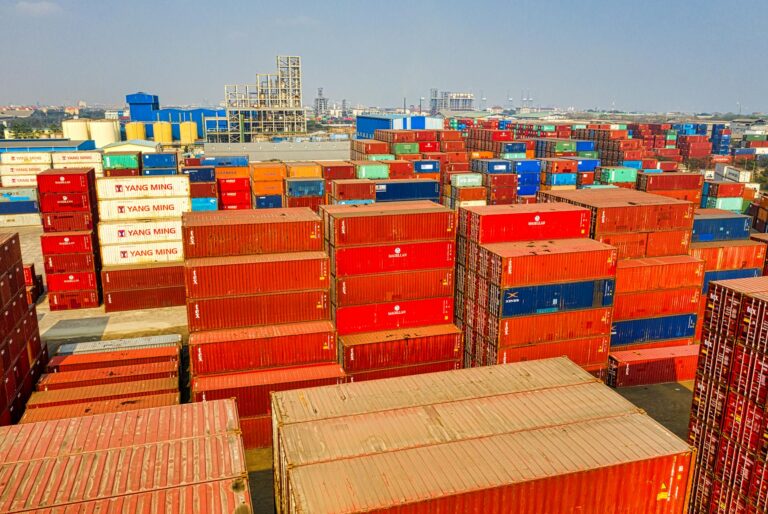
Sixteen years after implementation, Indonesia's trade deficit with China has widened dramatically under ACFTA, revealing structural asymmetries in the agreement that have favoured Chinese manufacturers while constraining Indonesian industrial development. This pattern has reshaped Jakarta's approach to trade negotiations and regional economic strategy.

Prime Minister Modi's Israel visit signals India's strategic realignment toward partnership-based Middle East diplomacy, prioritizing defence cooperation with Israel while maintaining strategic silence on Iranian tensions—marking a departure from traditional non-aligned balancing.
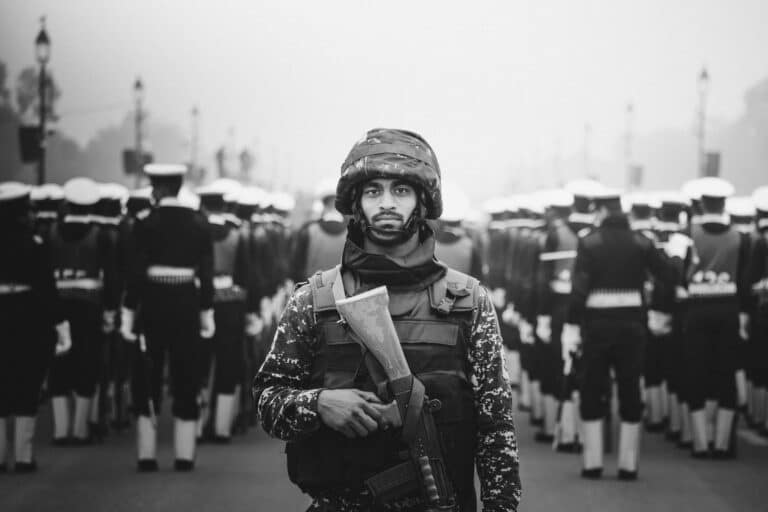
North Korea has formally institutionalised nuclear statehood through the Haekpangasoe system and committed to a five-year weapons expansion plan at the 9th Workers' Party Congress. This strategic shift closes the window on denuclearisation negotiations and reshapes Indo-Pacific security dynamics.
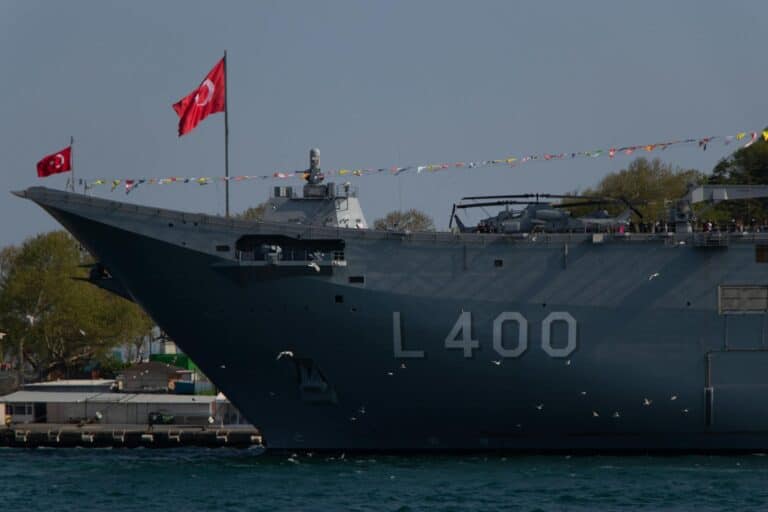
Japan is expanding defence exports as a strategic tool to strengthen Indo-Pacific partnerships, but constitutional revision remains politically contentious. While lawmakers support reform in principle, disagreement over specific amendments means Japan can achieve its security objectives through existing constitutional frameworks.
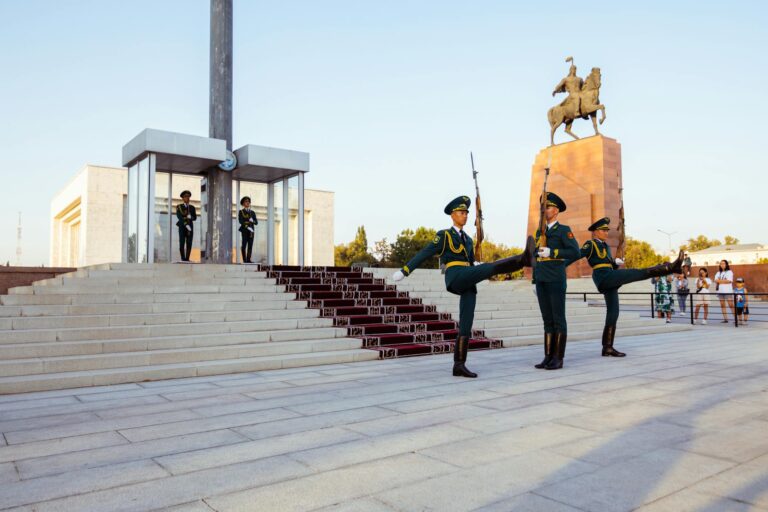
The EU's sanctions envoy has directly engaged Kyrgyzstan over its role in facilitating Russian sanctions evasion, signaling Brussels' determination to enforce restrictions across Central Asia. The intervention reveals both the sophistication of Russian circumvention networks and the constraints facing third countries attempting to balance economic dependence on Russia with Western pressure.

Bangladesh's 2026 general election produced only seven female parliamentarians out of 300 seats, marking a historic collapse in women's political representation. This regression exposes critical failures in political parties, electoral institutions, and the relationship between development gains and democratic inclusion.
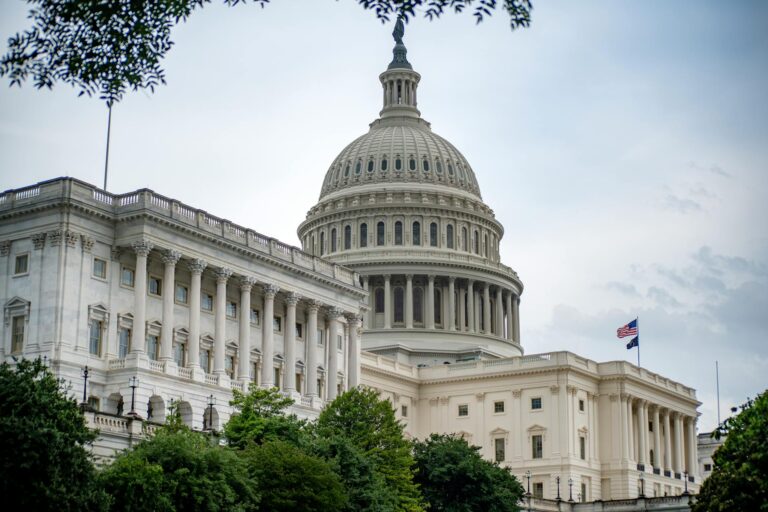
Trump's omission of China from his 2022 State of the Union address reflects Republican divisions over tariff policy rather than diplomatic softening. The strategic silence reveals how US-China competition has become entangled with domestic inflation concerns and midterm electoral politics.
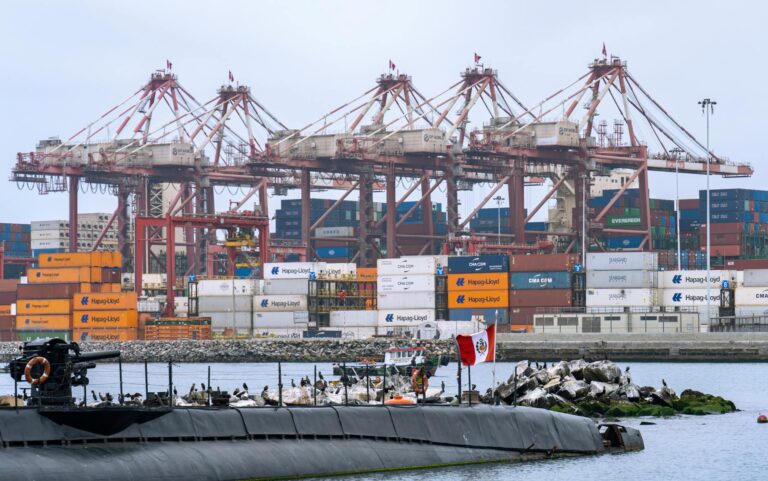
China's Port of Chancay in Peru, operational since November 2024, presents significant strategic risks amid Peru's political instability. The 60-year Chinese concession could enable military logistics, intelligence gathering, and sanctions evasion in the Western Hemisphere.

China's state broadcaster CCTV strategically frames coverage of Iran's internal crises to serve Beijing's geopolitical interests and reinforce authoritarian governance narratives. This analysis examines how state-controlled media functions as a tool of foreign policy and great power competition.